

Diabetes-Friendly Breakfast Recipes
A delicious way to kickstart your day, diabetes-friendly breakfast recipes are designed to nourish and energize while being kind to your blood sugar levels. These meals are not only healthy but also satisfying, making them perfect for busy mornings when you need a quick, nutritious bite. Imagine waking up to the aroma of freshly cooked oatmeal or the savory scent of a veggie scramble—these dishes promise both comfort and deliciousness.
Why you’ll love this dish
These breakfast recipes are a game changer for anyone looking to maintain healthy eating habits without sacrificing flavor. Quick to prepare, they’re ideal for families juggling busy schedules. Since they’re packed with high-quality ingredients, you’ll feel good about what you’re serving to yourself and your loved ones.
"I tried the smoothie bowl recipe, and it was a hit with my kids! They didn’t even realize it was healthy."
How to make the recipe
Creating these diabetes-friendly breakfasts is simple and enjoyable. Most recipes follow a straightforward process, combining vibrant fruits, whole grains, and ample protein. You’ll whip up a mix of textures and flavors, ensuring each bite is as delightful as the last. Overall, the cooking stages focus on ease, allowing you to prepare a wholesome meal in no time.
Ingredients explained
Key ingredients in these recipes include whole grains like oats and quinoa, which offer sustained energy, and various fruits that provide natural sweetness and essential vitamins. Opt for low-fat dairy or plant-based options for a lighter touch. For those avoiding gluten, quinoa or buckwheat can easily replace traditional grains, making these breakfasts accessible for everyone.
Directions explained
Start by prepping your ingredients carefully—chopping fruits, measuring grains, and whisking eggs as needed. Depending on the recipe, cooking methods may vary from sautéing vegetables on a stovetop to blending smoothies in a high-speed blender. Keep an eye on the cooking times; oats should simmer gently, while eggs are best scrambled over medium heat. Visual cues, like a golden brown hue on your toast, will help you judge readiness.
How to serve the recipe
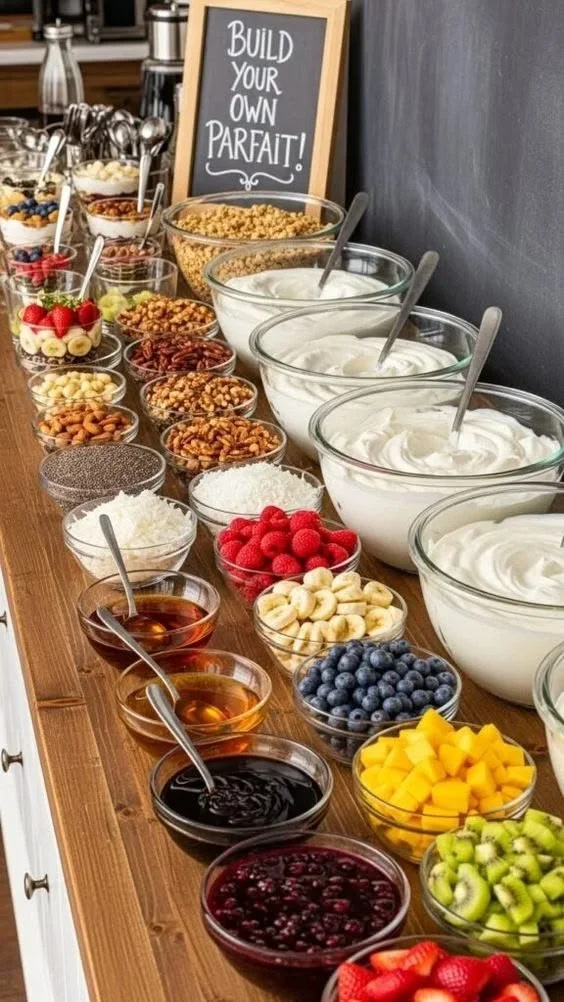
These breakfast dishes shine when plated with a touch of creativity. Consider topping a yogurt parfait with fresh berries and a sprinkle of nuts, or serving a veggie omelet alongside whole grain toast. Pairing these meals with a side of fruit or a green smoothie enhances the overall nutrition and satisfies your morning hunger. They’re versatile enough for breakfast, brunch, or even a light lunch!
Storage and leftovers
Store any leftovers in airtight containers, and they can stay fresh in the refrigerator for about three to four days. For longer storage, consider freezing portions, which typically last up to three months. When ready to eat, simply reheat in the microwave or on the stovetop until warmed through, ensuring food safety practices are followed.
Helpful cooking tips
For best results, always taste as you go. This is especially important for adjusting sweetness and spice levels. If you’re cooking grains, be sure to rinse them thoroughly before cooking to remove any excess starch. Additionally, don’t hesitate to experiment with portion sizes based on your personal needs and preferences.
Variations
Feel free to get creative with these recipes! Try adding spices like cinnamon or ginger for a flavor boost, or swap in different vegetables for your egg scrambles. You can even make a batch of pancakes using almond flour for a gluten-free option. With a few variations, you can tailor these breakfasts to suit your taste buds while keeping them diabetes-friendly.
FAQ
How long do these breakfasts take to prepare?
Most recipes can be ready in about 15-30 minutes, making them perfect for busy mornings.
Can I substitute ingredients if I have dietary restrictions?
Absolutely! Many of the core ingredients can be swapped based on your dietary needs—like using almond milk instead of dairy or sweetening with stevia.
What’s the best way to reheat leftovers?
The microwave is quick and convenient, though stovetop reheating works well too—just add a splash of water or oil to prevent drying out.
How should I store leftovers?
Place leftovers in airtight containers and refrigerate for up to four days. For longer storage, consider freezing them.
Can I scale these recipes for larger servings?
Yes! Most recipes can be easily doubled or halved depending on your needs. Just be sure to adjust cooking times as necessary.
Diabetes-Friendly Breakfast Recipes

A collection of delicious and nutritious breakfast recipes that are kind to your blood sugar levels.
- Prep Time: 15 minutes
- Cook Time: 30 minutes
- Total Time: 45 minutes
- Yield: 4 servings
- Category: Breakfast
- Method: Blending), Sautéing, Various (Baking
- Cuisine: Healthy
- Diet: Diabetes-Friendly
Ingredients
- Whole grains (oats or quinoa)
- Fruits (berries, bananas, etc.)
- Low-fat dairy or plant-based alternatives
- Eggs (for scrambles)
- Nuts and seeds (for toppings)
- Spices (like cinnamon or ginger)
Instructions
- Prep your ingredients carefully, chopping fruits and measuring grains.
- Whisk eggs as needed for scrambles.
- Sauté vegetables or blend ingredients together for smoothies, depending on the recipe.
- Simmer oats gently until cooked through and fluffy.
- Serve with creativity, adding toppings or sides that enhance nutrition.
Notes
Leftovers can be stored in airtight containers in the refrigerator for up to four days or frozen for three months. Reheat in the microwave or stovetop.