
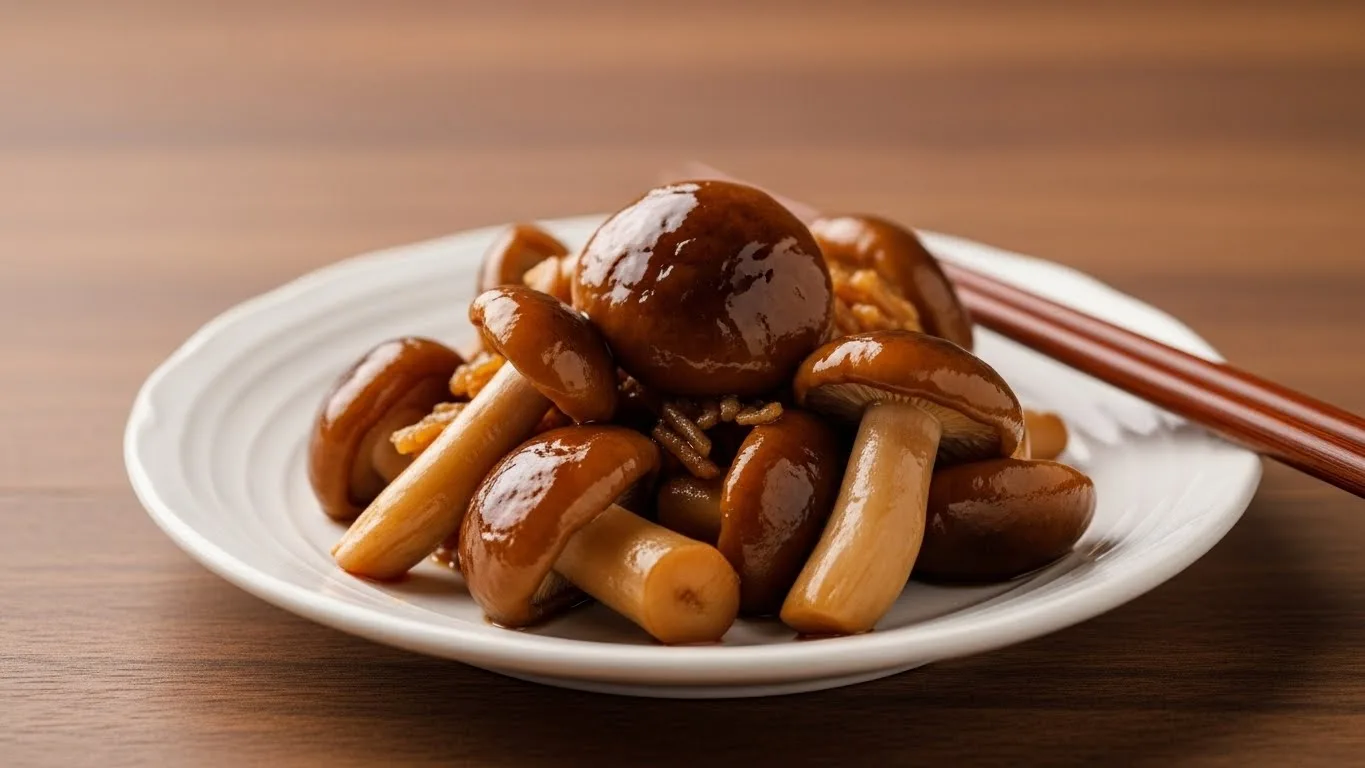
Want restaurant-quality umami flavor in under 20 minutes? This mushroom koji recipe transforms ordinary mushrooms into a deeply savory side dish that’ll have everyone asking for seconds. You’ll need just fresh mushrooms and shio koji—that’s it. Follow the step-by-step guide for tender, flavorful mushrooms that taste like they’ve been marinating for days!
The first time I tried mushroom koji recipe variations, I was skeptical. How could two simple ingredients create something so complex and delicious? But after testing this combination at least five times in my Portland kitchen, I’m completely sold. Koji—that magical Japanese fermentation starter—has this incredible ability to unlock umami flavors in mushrooms that you didn’t even know were hiding there.
I stumbled upon this recipe while researching traditional Japanese fermentation techniques for a dinner party. My guests couldn’t believe these deeply savory mushrooms required only mushrooms and shio koji (salted koji). Since then, it’s become my secret weapon whenever I need an impressive side dish that actually takes minimal effort. The enzymes in koji naturally break down proteins in the mushrooms, creating that melt-in-your-mouth texture and rich, savory taste.
Why You’ll Love This Recipe
It’s ridiculously simple. Seriously—if you can boil water and stir ingredients together, you’ve got this. There’s no fancy technique or specialized equipment required.
The flavor payoff is enormous. Two ingredients shouldn’t be able to create this much depth, but here we are. The koji works its enzymatic magic on the mushrooms, intensifying their natural umami while adding a subtle sweetness and complexity.
It’s incredibly versatile. I’ve served these mushrooms as a side dish, tossed them into pasta, piled them on toast, and even mixed them into grain bowls. They play well with practically everything.
Storage is a breeze. These mushrooms keep for up to five days in the fridge, and honestly, the flavor actually improves after a day or two. That makes them perfect for meal prep or when you’re planning ahead for gatherings.
It’s naturally healthy. Koji is loaded with beneficial enzymes that support gut health and digestion. Plus, mushrooms bring their own nutritional benefits—vitamins, minerals, and fiber. You’re essentially creating a probiotic-rich side dish.
Related Recipes
Looking for more simple, flavor-packed dishes? Check out these favorites:
- Simple Fermented Garlic Honey Recipe
- Fermented Garlic Oil for Heart and Gut Health
- Your Friendly Guide to Cucumber Fermentation
How To Make Mushroom Koji Recipe
Step 1: Prep Your Mushrooms
Start by cleaning your mushrooms. I prefer using a damp paper towel to wipe them down rather than rinsing them under water—mushrooms are like little sponges and will absorb excess moisture. Then, slice them into uniform pieces, about ¼-inch thick. This ensures even cooking and consistent texture throughout.
For this recipe, you can use any mushroom variety you love. I typically go with cremini or shiitake because they hold up well to marinating, but button mushrooms, oyster mushrooms, or even maitake work beautifully. Sometimes I’ll mix two or three types together for more textural variety.

Step 2: Blanch the Mushrooms
Bring a medium pot of water to a rolling boil. Once it’s bubbling away, add your sliced mushrooms and cook them for exactly 90 seconds. This quick blanch does two important things: it removes any potential bitterness and creates the perfect texture for absorbing the koji marinade later.
After 90 seconds, immediately drain the mushrooms in a colander. I learned the hard way not to let them sit in the hot water—even an extra 30 seconds can make them too soft. You want them tender but still holding their shape.

Step 3: Mix with Shio Koji
Transfer your drained mushrooms to a clean, airtight container. While they’re still warm (not hot), add your shio koji. The standard ratio is about 1 to 1.5 tablespoons of shio koji per 100 grams of mushrooms, but honestly, I tend to be generous with it.
Stir everything together thoroughly, making sure every mushroom slice gets coated with that golden, fragrant koji paste. The warmth of the mushrooms helps the koji distribute more evenly. Then, seal your container and pop it in the refrigerator.
Step 4: Let Time Work Its Magic
Here’s where patience becomes your friend. Let those mushrooms chill in the fridge for at least 2 hours, though I usually wait overnight. During this time, the enzymes in the koji are breaking down proteins and creating new flavor compounds. It’s basically kitchen alchemy happening while you sleep.
After marinating, give them a quick taste. They should have a deep, savory flavor with a subtle sweetness and that signature umami punch. If you want even more intensity, let them marinate for up to 24 hours.
How to Store and Serve Mushroom Koji Recipe
Storage Guidelines
These marinated mushrooms will keep beautifully in an airtight container in your refrigerator for up to five days. Actually, I find they taste even better on day two or three as the flavors continue to develop and meld together.
Make sure your storage container is completely clean and dry before adding the mushrooms. Any moisture or contamination can reduce their shelf life. I like using glass containers with tight-fitting lids—they don’t absorb odors and make it easy to see what you’ve got stored.
Don’t freeze these mushrooms. The texture becomes watery and mushy when thawed, and you’ll lose that pleasant, meaty bite that makes them so enjoyable. Trust me, I tried it once and immediately regretted it.

Serving Suggestions
These mushrooms are incredibly versatile. I serve them cold straight from the fridge as part of a Japanese-style breakfast spread alongside rice and miso soup. They’re also fantastic at room temperature as an appetizer or side dish.
Try them tossed into warm grain bowls, scattered over salads for an umami boost, or spooned onto crusty bread with a smear of cream cheese. My favorite way is mixing them into freshly cooked pasta with a drizzle of good olive oil and some grated parmesan—simple but absolutely delicious.
They also work wonderfully as a topping for grilled proteins like chicken or fish. The savory-sweet flavor complements rich meats beautifully without overwhelming them.
| Marinating Time | Flavor Profile | Texture | Best Uses |
|---|---|---|---|
| 2–4 hours | Mild umami, fresh mushroom taste | Firm, slightly tender | Quick side dish, salad topping |
| 8–12 hours (overnight) | Balanced savory-sweet, developed umami | Tender with good bite | All-purpose use, meal prep |
| 24 hours | Deep umami, complex flavor | Very tender, melts in mouth | Special occasions, appetizers |
Expert Tips for Success
Choose the right mushrooms. While any mushroom works technically, varieties with more substance give better results. Cremini, shiitake, oyster, and king trumpet mushrooms are my top picks. They have enough structure to hold up to marinating without becoming mushy.
Don’t skip the blanching step. I know it seems like an extra hassle, but those 90 seconds make a massive difference. Blanching removes bitterness, improves texture, and actually helps the mushrooms absorb the koji marinade more effectively.
Temperature matters when mixing. Add the shio koji while your mushrooms are still warm (not scalding hot). This helps the koji dissolve and distribute evenly, creating a better coating on each mushroom piece.
Invest in quality shio koji. The brand and quality of your shio koji really does affect the final flavor. Look for varieties that list only rice, salt, and koji culture in the ingredients. Some cheaper versions contain additives or excessive salt that throw off the balance.
Taste before serving. Koji potency can vary between brands and even batches. After marinating, taste your mushrooms and adjust if needed. Too mild? Add a tiny bit more shio koji and let them sit another hour. Too salty? Mix in some plain blanched mushrooms to dilute the intensity.
Keep everything clean. Because you’re working with fermented ingredients, cleanliness is important. Use clean utensils and containers to prevent unwanted bacterial growth. Your mushrooms will stay fresh longer and taste better.
Recipe Variations
Spicy Mushroom Koji: Add a teaspoon of chili flakes or a tablespoon of sriracha to your shio koji before mixing with the mushrooms. The heat plays beautifully against the umami richness.
Ginger-Scallion Version: Mix in 1 tablespoon of freshly grated ginger and 2 tablespoons of thinly sliced scallions with your koji. This adds brightness and aromatic complexity that’s absolutely addictive.
Sesame Mushroom Koji: After marinating, toss your mushrooms with a drizzle of toasted sesame oil and sprinkle with toasted sesame seeds. The nutty flavor complements the koji beautifully.
Citrus-Kissed Koji Mushrooms: Add the zest of half a lemon or yuzu to your marinade. The citrus brightens the earthy mushroom flavor and adds a sophisticated twist.
Garlic Lover’s Version: Mix 2–3 cloves of minced raw garlic into your koji marinade. Let it sit for at least 8 hours so the garlic mellows and melds with the other flavors.
Multi-Mushroom Medley: Use a combination of three or four different mushroom types—maybe cremini, shiitake, oyster, and enoki. Each variety brings its own texture and flavor, creating a more complex final dish.
FAQs
Also Try
Craving more umami-packed dishes? These recipes deliver serious flavor:
- Fermented Garlic Safety: Detailed Guide for US Home Cooks
- The Complete Guide to Vegetable Fermentation
- Stop Tossing That Sauerkraut Juice Down the Drain
- 7 Creative Kimchi Variations to Spice Up Your Meals
Conclusion
This mushroom koji recipe has become one of those dishes I make on repeat in my kitchen. There’s something deeply satisfying about creating such complex flavor from just two ingredients and a little bit of patience. Whether you’re new to Japanese fermentation or you’ve been cooking with koji for years, these marinated mushrooms deliver every single time.
The beauty of this recipe lies in its simplicity and versatility. You can make a batch on Sunday and enjoy it throughout the week in different ways—on toast for breakfast, tossed into pasta for dinner, or served alongside grilled proteins. Each serving brings that same incredible umami depth that makes people ask, “What’s your secret?”
Recipe by John Pace, a home cook passionate about easy comfort food.
Print
Mushroom Koji Recipe
- Total Time: PT2H15M
- Yield: 4 servings 1x
- Diet: Vegan
Description
These mushroom koji marinated mushrooms deliver restaurant-quality umami flavor using just two ingredients. The enzymatic power of shio koji transforms ordinary mushrooms into a deeply savory side dish perfect for any meal.
Ingredients
- 400g fresh mushrooms (cremini, shiitake, or oyster)
- 4–6 tablespoons shio koji (salt koji)
Instructions
- Clean mushrooms with a damp paper towel and slice into ¼-inch pieces.
- Bring a pot of water to boil. Add mushrooms and blanch for 90 seconds.
- Drain mushrooms immediately in a colander.
- Transfer warm mushrooms to a clean airtight container.
- Add shio koji (1-1.5 tablespoons per 100g mushrooms) and stir thoroughly to coat.
- Seal container and refrigerate for at least 2 hours or overnight for best flavor.
- Serve cold or at room temperature. Store in refrigerator for up to 5 days.
Notes
For best results, use quality shio koji with only rice, salt, and koji culture in ingredients. Blanching time is crucial—don’t exceed 90 seconds or mushrooms become too soft. Flavor develops and improves over 24 hours. These mushrooms can be used as a side dish, pasta topping, salad ingredient, or spread on toast.
- Prep Time: PT10M
- Cook Time: PT2M
- Category: Side Dish
- Method: Fermentation
- Cuisine: Japanese
Nutrition
- Serving Size: 100g
- Calories: 45
- Sugar: 2g
- Sodium: 580mg
- Fat: 0.5g
- Saturated Fat: 0g
- Unsaturated Fat: 0.3g
- Trans Fat: 0g
- Carbohydrates: 8g
- Fiber: 1.5g
- Protein: 4g
- Cholesterol: 0mg
Keywords: mushroom koji, shio koji, fermented mushrooms, umami, Japanese side dish
Sources
- USDA FoodData Central – Mushrooms, Raw
- Journal of Bioscience and Bioengineering – Health Benefits of Rice Koji
- Fermentation Journal – Enzymatic Activity of Aspergillus oryzae
- Japanese Society for Food Science and Technology – Traditional Koji Fermentation