
Want to make authentic Korean fermented soybean paste without fancy equipment? This traditional doenjang recipe uses just soybeans, salt, and time to create rich, umami-packed paste. You’ll need dried soybeans, sea salt, and a warm spot for fermentation. Follow the step-by-step guide for deeply flavored paste that transforms soups, stews, and dipping sauces!
Making fermented soybean paste at home might sound intimidating, but honestly, it’s one of those recipes that rewards patience more than skill. I first attempted this three years ago after a trip to a Korean market where an elderly woman explained how her grandmother made doenjang in clay pots every winter. That conversation stuck with me, so I tested it repeatedly until I nailed a version that works in a standard American kitchen.
Fermented soybean paste, known as doenjang in Korean cuisine, is a foundational ingredient that brings deep, savory umami to countless dishes. Unlike quick condiments, this paste develops its complex flavor through fermentation, transforming simple soybeans into something truly special. The process takes time—typically 2-3 months for proper fermentation—but the hands-on work is minimal, and the result beats store-bought versions every time.
Why You’ll Love This Recipe
First off, this fermented soybean paste recipe gives you complete control over ingredients. Store-bought versions often contain additives, preservatives, or wheat that you might want to avoid. When you make it yourself, you know exactly what’s in your paste.
The flavor development is incredible. As the soybeans ferment, they develop layers of savory, slightly funky, deeply umami taste that you simply can’t replicate with shortcuts. Plus, fermentation creates beneficial probiotics that support gut health.
Cost-wise, homemade doenjang is significantly cheaper than premium imported versions. A pound of dried soybeans and some salt create several jars of paste that last months. Additionally, the fermentation process is surprisingly forgiving—as long as you maintain basic cleanliness and monitor for mold, the beneficial bacteria do most of the work.
Finally, there’s something deeply satisfying about making traditional fermented foods. You’re connecting with centuries of Korean culinary tradition, and honestly, watching the transformation from cooked beans to complex paste feels like kitchen magic.
Related Recipes
Looking for ways to use your homemade fermented soybean paste? Check out these recipes:
- Simple Fermented Garlic Honey Recipe
- Fermented Garlic Oil for Heart and Gut Health
- Mushroom Koji Recipe: Easy Fermented Umami Magic
How To Make Fermented Soybean Paste
Step 1: Prepare the Soybeans
Start by thoroughly sorting through your dried soybeans, removing any broken pieces or debris. Rinse them under cold water, then soak in three times their volume of water for 8-12 hours. The beans will double in size, so use a large bowl. I usually start this in the evening and let them soak overnight.
After soaking, drain the beans and rinse them again. Place them in a large pot with fresh water—about four inches above the bean level—and bring to a boil. Once boiling, reduce heat to medium-low and simmer for 3-4 hours until the beans are completely soft and mashable between your fingers. You’ll need to check periodically and add water if it gets too low.
Step 2: Form the Meju Blocks
Drain the cooked beans, reserving the cooking liquid for later. While still warm, mash the beans thoroughly using a potato masher or food processor. You want a chunky paste, not completely smooth. The texture should hold together when compressed.
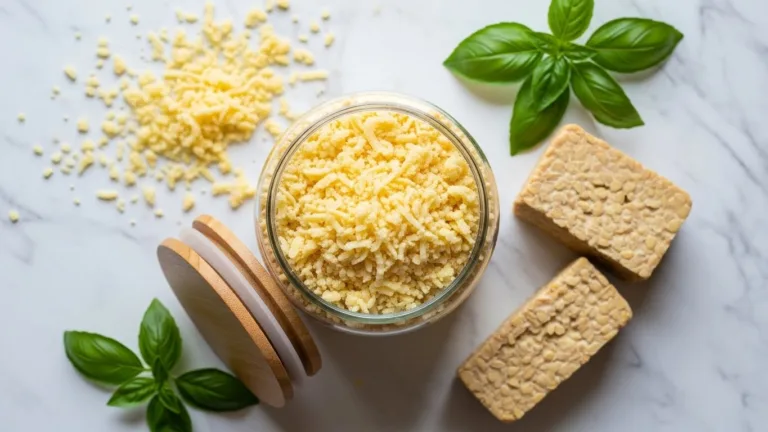
With clean hands, form the mashed beans into rectangular blocks about 4×4×2 inches. Pack them tightly to remove air pockets. I typically get 4-6 blocks from one pound of dried soybeans. Place the blocks on a clean kitchen towel in a warm, dry spot with good air circulation. Let them dry for 7-10 days, turning once daily, until they feel firm and develop a dry outer layer.
Step 3: Ferment the Meju
Once the blocks are dried, you’ll notice white mold starting to form on the surface—this is exactly what you want. Tie each block with cotton string and hang them in a warm location (around 70-75°F) for 6-8 weeks. I hang mine near the furnace room in winter or in a warm closet in summer. The blocks will develop more mold and begin to smell pungent and earthy.
After fermentation, brush off the mold with a clean, dry cloth or soft brush. Don’t worry if some remains—it’s part of the process. Break the fermented blocks into chunks.
Step 4: Create the Brine and Age
Prepare a brine using 1 cup of sea salt dissolved in 1 gallon of water. Place the broken meju chunks in a clean glass jar or ceramic crock, then pour the brine over them until completely submerged. Add a few dried red chilies and a piece of charcoal if you have them—they help prevent unwanted bacteria growth.
Cover the jar with breathable fabric secured with a rubber band. Place it in a cool, dark location and let it age for 2-3 months. During this time, the liquid will become darker and the chunks will soften. Check weekly for any unusual mold on the surface, removing it if spotted.
Step 5: Separate and Store
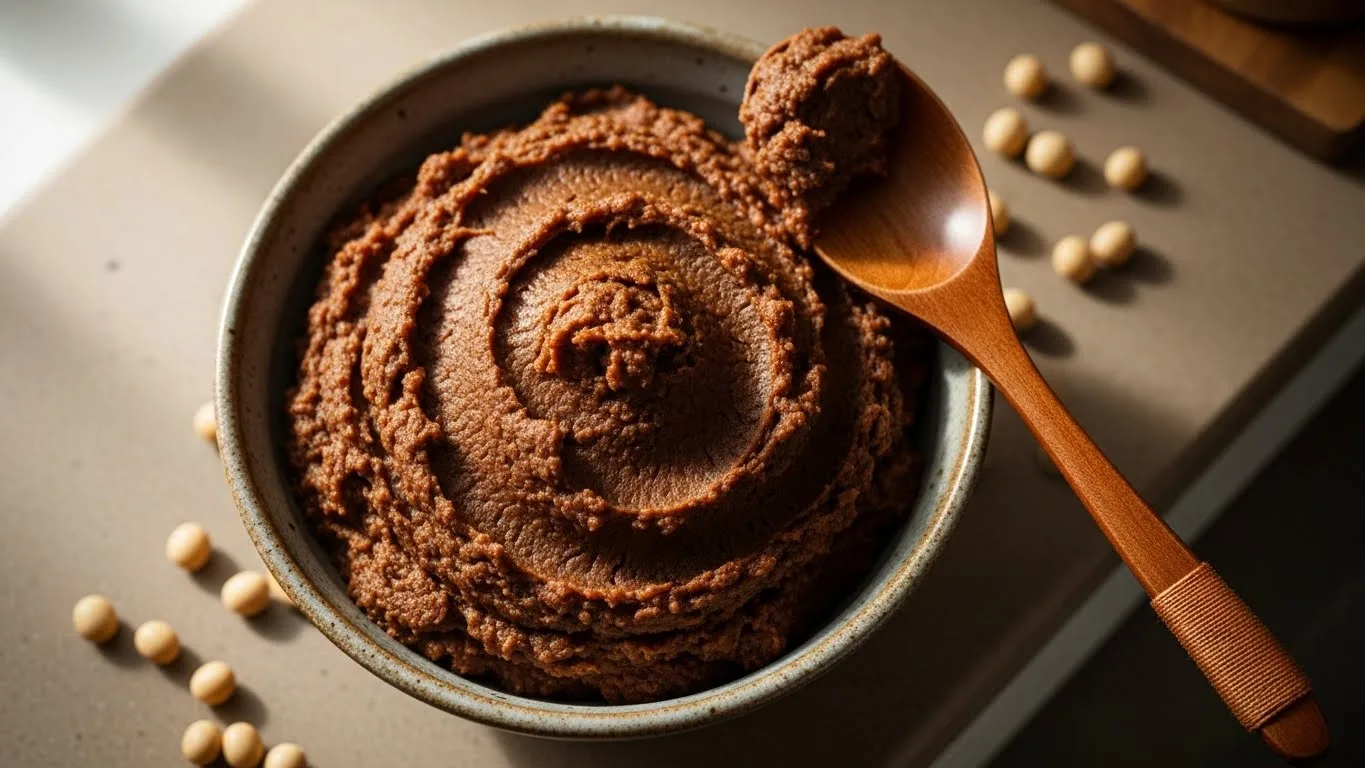
After aging, strain the mixture through cheesecloth, separating the liquid (this becomes Korean soup soy sauce or ganjang) from the solids. Mash the solid chunks thoroughly to create a thick paste. This is your fermented soybean paste. Transfer it to clean glass jars, pressing out air bubbles, and store in the refrigerator where it will continue developing flavor over time.
| Fermentation Stage | Time Required | Visual Indicators | What’s Happening |
|---|---|---|---|
| Initial Drying | 7-10 days | Blocks firm, slight cracks | Moisture evaporates, surface hardens |
| Meju Fermentation | 6-8 weeks | White/greenish mold, earthy smell | Beneficial molds break down proteins |
| Brine Aging | 2-3 months | Liquid darkens, chunks soften | Final flavor development, deepening umami |
How to Store and Serve Fermented Soybean Paste
Proper storage is crucial for maintaining your fermented soybean paste’s quality. After the final fermentation, transfer the paste to clean glass jars with tight-fitting lids. Press the paste down firmly to eliminate air pockets, which can encourage unwanted mold growth. Store in the refrigerator where it will keep for up to one year—though honestly, mine rarely lasts that long.
The paste will continue developing flavor in the fridge, becoming deeper and more complex over time. If you notice a thin layer of liquid on top, that’s normal. Simply stir it back into the paste before using.
For serving, fermented soybean paste works beautifully in multiple applications. Use it as a base for stews and soups, particularly doenjang jjigae. Mix it with sesame oil and minced garlic for a simple vegetable dip. Stir a spoonful into salad dressings for instant umami depth. I also love spreading a thin layer on grilled vegetables or mixing it into marinades for tofu or vegetables.
Room temperature paste spreads more easily and releases its aroma better than cold paste, so I recommend removing what you need about 15 minutes before using. Always use a clean, dry spoon when scooping from the jar to prevent contamination.
Expert Tips for Success
Temperature Control Matters
Fermentation happens fastest in warm environments, but too much heat can encourage bad bacteria. Aim for 70-75°F during the hanging phase and 60-65°F during brine aging. I’ve found that consistent temperature produces better results than fluctuating conditions.
Watch for Bad Mold
White, blue, or greenish mold on the meju blocks is normal and beneficial. However, if you spot black, pink, or red mold, discard that block immediately. Similarly, during brine aging, white film on the surface is fine, but rainbow-colored patches or fuzzy black growth means something went wrong.
Don’t Skip the Drying Phase
Properly dried meju blocks are crucial for successful fermentation. If they’re still too moist when you start hanging them, they’ll develop the wrong types of mold. The blocks should feel firm and dry to the touch with only slight give when pressed.
Embrace the Smell
During fermentation, your kitchen (or wherever you’re fermenting) will develop a pungent, funky smell. This is completely normal. My first batch had me convinced something was wrong, but that ammonia-like, earthy aroma is exactly what proper fermentation smells like. If it smells rotten or putrid, that’s different—but earthy funk is your friend.
Use Quality Salt
Sea salt or kosher salt works best for the brine. Avoid iodized table salt, which can interfere with fermentation and create off-flavors.
Recipe Variations
Quick-Fermented Version
If you can’t wait 3-4 months, try a shortened version. After forming the meju blocks, dry them for just 3-4 days, then break them up and age in brine for 4-6 weeks. The flavor won’t be as deep, but it’s still delicious and ready much faster.
Barley Addition
For a milder, slightly sweeter paste, mix 20% cooked barley into your mashed soybeans before forming blocks. This creates a doenjang style popular in some Korean regions.
Spiced Fermented Paste
Add aromatics to your brine for extra complexity. Try adding dried kelp, dried shiitake mushrooms, or a few slices of ginger along with the chilies. These infuse subtle flavors during the aging process.
Modern Indoor Method
If hanging moldy blocks in your home sounds too ambitious, try a controlled method. Place dried meju blocks in a plastic container with airholes, add a small bowl of water to maintain humidity, and keep in a warm closet. This creates a more controlled environment while still allowing proper fermentation.
Smooth Paste Style
For a smoother texture closer to Japanese miso, process the final paste in a food processor after aging. This creates a spreadable consistency that’s perfect for mixing into dressings or using as a condiment.
FAQs
Fermented soybean paste is called doenjang in Korean cuisine. In Japanese cooking, a similar product is called miso. Chinese cuisine has several versions including doubanjiang and yellow soybean paste. Each culture’s version has distinct flavors and fermentation methods, though all start with fermented soybeans.
Several pastes are made from fermented soybeans, including Korean doenjang, Japanese miso, Chinese doujiang, and Indonesian tauco. Each has unique characteristics based on fermentation time, additional ingredients like grains, and regional preparation methods. Doenjang typically ferments longer and has a stronger, earthier flavor than miso.
No, fermented soybean paste (doenjang) is not the same as miso, though they’re similar. Doenjang is made only from soybeans and salt, with a longer fermentation period that creates a stronger, more pungent flavor. Miso often includes rice or barley and has a milder, sweeter taste. They can sometimes substitute for each other, but the flavor profiles differ significantly.
Fermented soybeans go by different names depending on preparation and culture. Whole fermented soybeans are called natto in Japan and cheonggukjang in Korea. When made into paste, they’re called doenjang (Korea), miso (Japan), or doujiang (China). The fermented blocks used to make doenjang are called meju in Korean cooking.
Traditional fermented soybean paste made only from soybeans, salt, and water is generally considered halal, as it contains no prohibited ingredients. However, some commercial versions may include additives or be processed on shared equipment. If following halal dietary guidelines, look for certified halal products or make your own at home to ensure compliance.
Yes, eating natto daily is safe and potentially beneficial for most people. Natto is rich in probiotics, vitamin K2, and protein. Many Japanese people consume it daily without issues. However, if you’re taking blood thinners, consult your doctor first due to natto’s high vitamin K content. Start with small amounts if you’re new to fermented soybeans to let your digestive system adjust.
Also Try
Once you’ve mastered homemade fermented soybean paste, explore these related Korean recipes:
- The Complete Guide to Vegetable Fermentation
- Stop Tossing That Sauerkraut Juice Down the Drain
- 7 Creative Kimchi Variations to Spice Up Your Meals
Conclusion
Making your own fermented soybean paste connects you to centuries of Korean culinary tradition while giving you complete control over ingredients and flavor. Yes, it takes time, but the hands-on work is minimal, and the result is deeply satisfying. After three years of making this regularly, I still get excited watching the transformation from simple soybeans to complex, umami-rich paste.
The flavor you’ll achieve at home simply can’t be bought in stores—it’s richer, more nuanced, and perfectly suited to your taste preferences. Plus, you’ll have both doenjang and ganjang (the liquid byproduct) to use in countless Korean dishes.
Recipe by John Pace, a home cook passionate about easy comfort food.

Easy Fermented Soybean Paste Recipe (Doenjang at Home)
- Total Time: PT2160H
- Yield: 8 cups 1x
- Diet: Vegan
Description
Traditional Korean fermented soybean paste made with just soybeans, salt, and time. This doenjang develops deep umami flavor through natural fermentation.
Ingredients
- 2 pounds dried soybeans
- 1 cup sea salt (for brine)
- 1 gallon filtered water
- 2–3 dried red chilies (optional)
- 1 small piece natural charcoal (optional)
- Cotton string for hanging
Instructions
- Sort and rinse soybeans. Soak in water for 8-12 hours until doubled in size.
- Drain and cook soaked beans in fresh water for 3-4 hours until completely soft.
- Drain and mash warm beans into chunky paste. Form into 4×4×2-inch blocks.
- Dry blocks on towel in warm location for 7-10 days, turning daily.
- Tie dried blocks with string and hang in warm spot (70-75°F) for 6-8 weeks.
- Brush off surface mold and break fermented blocks into chunks.
- Dissolve 1 cup salt in 1 gallon water. Place chunks in jar and cover with brine.
- Add chilies and charcoal if using. Cover with breathable fabric.
- Age in cool, dark place for 2-3 months, checking weekly.
- Strain liquid (save as soy sauce). Mash solids into paste and store in refrigerator.
Notes
White or blue-green mold is normal and beneficial. Discard any blocks with black, pink, or red mold. The paste continues developing flavor in the refrigerator for up to one year.
- Prep Time: PT30M
- Cook Time: PT4H
- Category: Condiment
- Method: Fermentation
- Cuisine: Korean
Nutrition
- Serving Size: 2 tablespoons
- Calories: 35
- Sugar: 0g
- Sodium: 680mg
- Fat: 1g
- Saturated Fat: 0g
- Unsaturated Fat: 1g
- Trans Fat: 0g
- Carbohydrates: 3g
- Fiber: 1g
- Protein: 3g
- Cholesterol: 0mg
Keywords: fermented soybean paste, doenjang, Korean condiment, umami, fermentation, traditional recipe
Sources
- USDA FoodData Central – Soybeans
- Journal of Food Science – Fermentation Studies
- Korean Food Foundation – Traditional Methods
- National Center for Biotechnology Information – Fermented Foods