
Want to make creamy, tangy kefir for pennies per batch? You only need milk and live grains—no fancy equipment required. Perfect for smoothies, gut health, or anyone curious about fermentation. Follow the step-by-step guide for probiotic-rich kefir in just 24 hours!
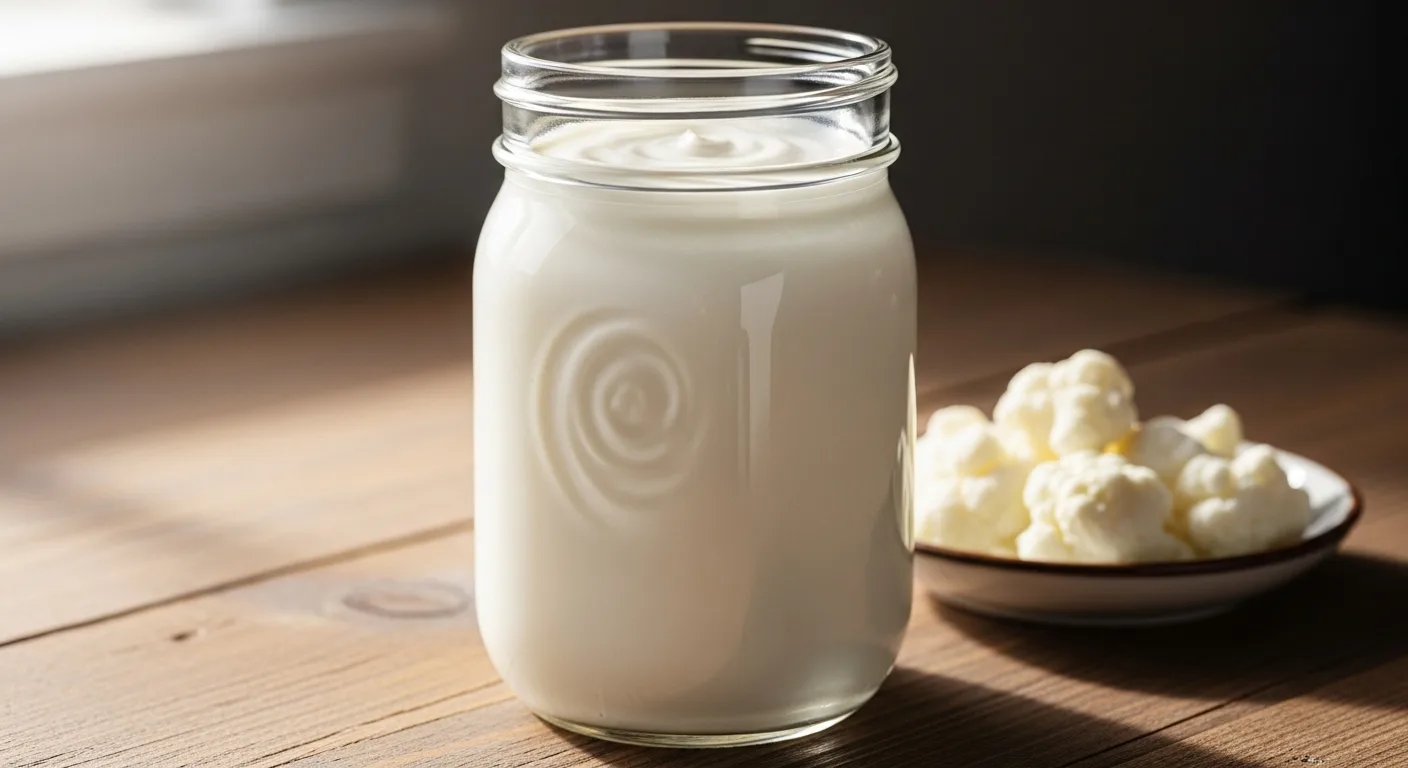
Learning how to make kefir at home changed my mornings completely. I used to spend nearly five dollars on a single bottle at the grocery store, and then one afternoon, a neighbor handed me a small jar of what looked like tiny cauliflower florets swimming in milk. “These are kefir grains,” she said. “They’ll multiply forever if you take care of them.” I was skeptical, but after my first successful batch, I realized I’d stumbled onto something special—a probiotic powerhouse that costs almost nothing to make and tastes better than anything from the store.
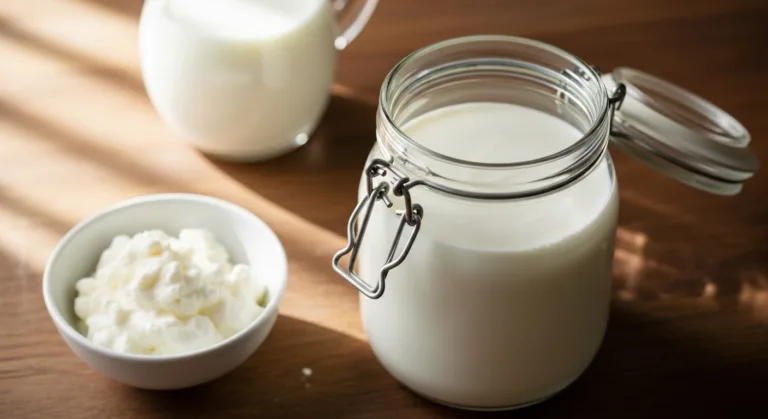
Kefir is a fermented milk drink loaded with beneficial bacteria and yeasts that support digestion and immune health. Unlike yogurt, kefir has a thinner consistency and a tangier flavor, plus it contains more diverse probiotic strains. Making it at home is surprisingly simple: you combine milk with kefir grains (a symbiotic culture of bacteria and yeast), let it sit at room temperature for 12 to 48 hours, then strain out the grains and repeat. The grains are reusable indefinitely, so your initial investment keeps giving back. Moreover, homemade kefir lets you control the thickness, tartness, and even experiment with flavored variations.
In this guide, I’ll walk you through everything you need to know about how to make kefir at home—from choosing the right milk to troubleshooting common issues. You’ll also discover expert tips, serving ideas, and creative ways to use your kefir beyond just drinking it straight.
Why You’ll Love This Recipe
First, homemade kefir saves you serious money. A single tablespoon of kefir grains (which you can buy online or receive from a friend) will produce batch after batch for years. Meanwhile, I compare that to buying commercial kefir bottles at four to six dollars each, and the savings add up fast. Additionally, you control exactly what goes into your kefir—no added sugars, thickeners, or preservatives.
Second, the health benefits are impressive. Kefir contains dozens of probiotic strains that support gut health, improve digestion, and may even boost immunity. Since it’s fermented, much of the lactose breaks down during the process, making it easier to digest for people with mild lactose sensitivity. Furthermore, kefir is rich in calcium, protein, and B vitamins.
Third, it’s incredibly versatile. You can drink kefir plain, blend it into smoothies, use it in salad dressings, or substitute it for buttermilk in baking. I’ve even made kefir cheese by straining it longer, which tastes like tangy cream cheese. The possibilities keep you from getting bored.
Finally, there’s something deeply satisfying about fermentation. Watching your milk transform into thick, bubbly kefir feels almost magical. It connects you to an ancient food preservation tradition, and honestly, it’s just cool to have a living culture thriving in your kitchen.
Step-by-Step Instructions
1. Gather Your Supplies
You’ll need 1 to 2 tablespoons of active kefir grains, 2 cups of milk (whole, low-fat, or even non-dairy options work), a clean glass jar (pint or quart size), a breathable cloth or coffee filter, a rubber band, and a plastic or wooden spoon. Avoid metal utensils during fermentation, as some people believe metal can harm the grains, though modern stainless steel is generally fine.
2. Combine Grains and Milk
Place the kefir grains in your clean jar, then pour in the milk. The typical ratio is 1 tablespoon of grains to 2 cups of milk, but you can adjust based on how fast you want fermentation. More grains mean faster fermentation and a tangier result. Consequently, I like using a bit more when I want thick kefir for smoothies.
3. Cover and Ferment
Cover the jar with a breathable cloth or coffee filter secured with a rubber band. This allows gases to escape while keeping out dust and insects. Place the jar on your countertop away from direct sunlight. Room temperature (68–75°F) is ideal. Fermentation time varies: 12–18 hours produces mild kefir, 24 hours gives you a balanced tang, and 36–48 hours results in very tangy, thick kefir with separated whey.
4. Check for Doneness
Gently tilt the jar after 12 hours. If the milk has thickened and smells tangy (like yogurt but sharper), it’s ready. You might notice some separation—a clear liquid (whey) pooling at the bottom with thicker curds on top. That’s normal and means your kefir is fully fermented. Simply give it a gentle stir before straining.
5. Strain the Grains
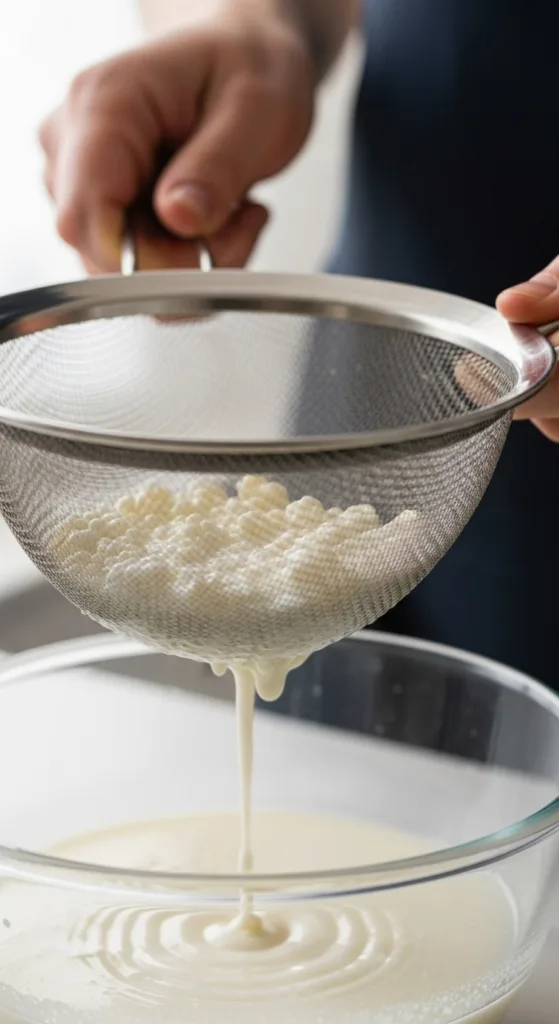
Set a plastic or stainless steel mesh strainer over a clean bowl or jar. Pour the kefir through the strainer, using a spoon to gently stir and help the liquid pass through. The grains will remain in the strainer. Don’t press too hard, as you want to keep the grains intact. Once most of the liquid has drained, transfer the grains back to a clean jar.
6. Start a New Batch or Store
Immediately add fresh milk to the grains and start another batch, or if you need a break, place the grains in milk in the refrigerator. Cold storage slows fermentation dramatically, so your grains can rest for up to a week. For longer breaks, you can freeze grains in milk or dry them, though I’ve found refrigeration easiest for short pauses.
7. Enjoy Your Kefir
Transfer the strained kefir to a clean jar, cover it with a lid, and refrigerate. It will keep for about two weeks, though it continues to ferment slowly in the fridge, becoming tangier over time. I prefer drinking mine within a week for the freshest flavor. Now you know exactly how to make kefir at home from start to finish.
Discover great ideas likes: Kefir Health Benefits
Expert Tips for Success
Use Fresh, Quality Milk
While kefir grains work with most milk types, they thrive best in whole or low-fat cow’s milk. Ultra-pasteurized milk can slow fermentation because the heat treatment affects proteins, though it still works. If you’re using non-dairy milk like coconut or almond, alternate every few batches with regular milk to keep your grains healthy and strong.
Maintain Consistent Temperature
Fermentation speed depends heavily on room temperature. In winter, when my kitchen is cooler, I place the jar inside a cupboard near the stove where it’s slightly warmer. In summer, fermentation happens fast, so I check it earlier. Basically, aim for a stable spot between 68–75°F for predictable results.
Don’t Over-Ferment
If you forget your kefir for days, it will become extremely sour and separate completely into thick curds and whey. It’s still safe to consume, but the taste might be too intense. I once left a jar for three days, and while the grains survived, the kefir was far too tangy for my liking. Set a phone reminder if you’re forgetful like me.
Rinse Grains Sparingly
You don’t need to rinse kefir grains between batches. The milk itself cleans them. However, if they start looking slimy or developing off colors, a quick rinse under filtered or bottled water (not chlorinated tap water) can help. I rinse mine maybe once a month, and they’ve been perfectly healthy for years.
Second Fermentation for Flavor
After straining, you can add fruit, vanilla extract, or a bit of honey to your kefir and let it sit on the counter for another 4–8 hours. This second fermentation creates a fizzier, flavored kefir. I love adding frozen berries and letting them infuse overnight. Just remember to use a jar with a loose lid to prevent pressure buildup.
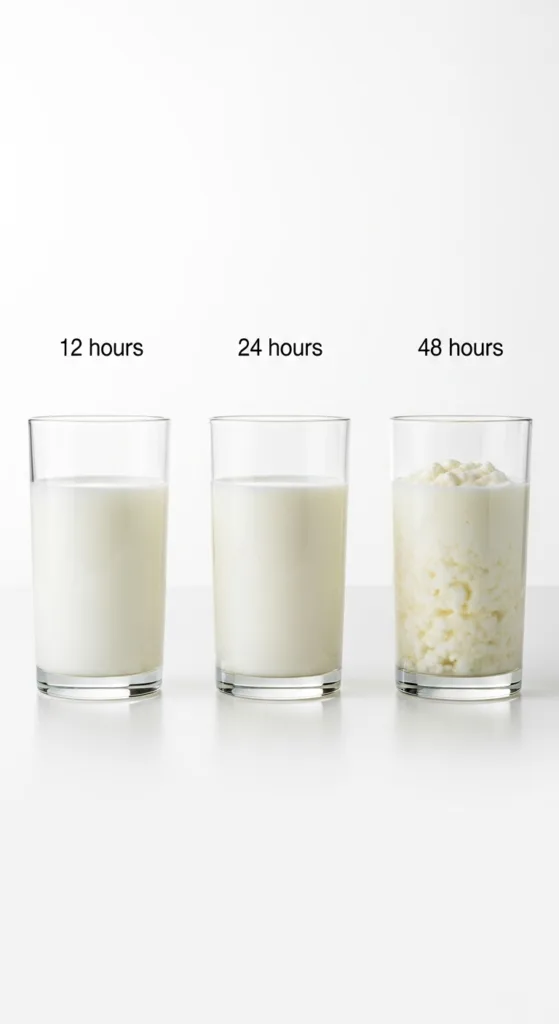
| Fermentation Time | Consistency | Flavor Profile | Best Uses |
|---|---|---|---|
| 12–18 hours | Thin, drinkable | Mild, slightly sweet | Smoothies, beginners, drinking straight |
| 24 hours | Medium thickness | Balanced tang | All-purpose use, baking |
| 36–48 hours | Thick, separated | Very tangy, sour | Making kefir cheese, salad dressings |
Serving Ideas
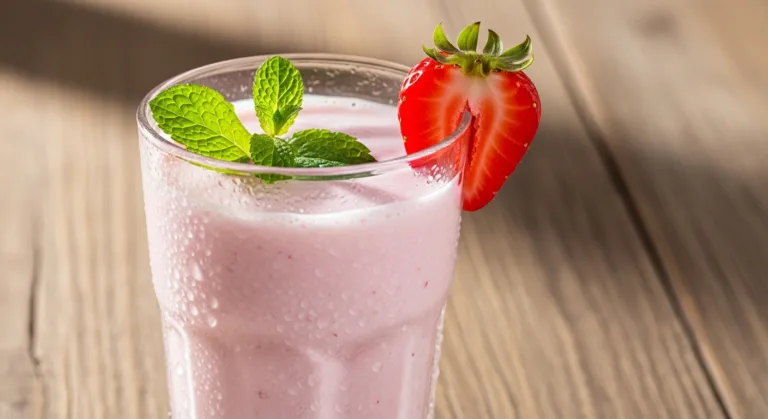
Kefir shines in breakfast smoothies. I blend mine with frozen berries, a banana, and a handful of spinach for a probiotic-packed start to the day. The tanginess balances sweet fruit beautifully, and the creamy texture makes smoothies luxurious without needing yogurt or ice cream.
You can also use kefir as a base for overnight oats. Mix equal parts kefir and rolled oats, add chia seeds, honey, and your favorite toppings, then refrigerate overnight. By morning, you’ll have a creamy, tangy breakfast that’s ready to eat cold or warmed up. It’s become my go-to during busy weeks.
For savory applications, try swapping buttermilk with kefir in salad dressings. I make a simple ranch by whisking kefir with fresh dill, garlic powder, onion powder, salt, and pepper. It’s lighter than traditional ranch but just as flavorful. Additionally, kefir works as a marinade for chicken or fish—the acidity tenderizes the meat while adding subtle tang.
If you’re feeling adventurous, pour kefir over granola like you would milk, or use it as a topping for pancakes and waffles instead of syrup. The probiotic boost turns an ordinary breakfast into something more nutritious. Finally, don’t overlook kefir in baking. Substitute it one-to-one for buttermilk in muffins, biscuits, or quick breads to add moisture and a slight tang.
Looking for inspiration? Try Greek Yogurt at Home
Storage & Reheating
Store your finished kefir in a sealed glass jar in the refrigerator for up to two weeks. I label mine with the date so I know when it was made. As it sits, kefir continues fermenting slowly, so it gets tangier over time. If it becomes too sour for drinking, use it in cooking or baking instead.
For the grains themselves, if you’re making kefir regularly, just keep cycling them through fresh milk every 24 hours. If you need a break, store them in milk in the fridge for up to a week. Change the milk every week if you’re taking a longer pause. When you’re ready to resume, bring the grains back to room temperature and start a fresh batch. The first batch after refrigeration might be slower or thinner, but subsequent batches will normalize quickly.
Freezing is another option for long-term storage. Rinse the grains gently, pat them dry, and place them in a small amount of powdered milk inside a sealed container. They can stay frozen for several months. When you’re ready to use them again, thaw slowly in the fridge, then reactivate by making several small batches with fresh milk. It might take a few cycles for them to return to full strength, but they’re remarkably resilient.
Never reheat kefir if you want to preserve the live probiotics. Heat kills the beneficial bacteria, turning it into just tangy milk. However, using kefir in baked goods is fine because you’re prioritizing flavor and texture rather than probiotic content in that context.
Recipe Variations
Flavored Kefir
After straining, add vanilla extract, cocoa powder, or fruit puree to your kefir and let it undergo a second fermentation for 4–8 hours at room temperature. This creates a naturally fizzy, flavored drink. I especially love blueberry kefir made by mashing fresh berries into the strained kefir and letting it sit overnight.
Coconut Milk Kefir
You can use coconut milk, but your grains need regular “feedings” of dairy milk to stay healthy. I alternate: one batch with coconut milk, then two batches with cow’s milk. The coconut version is thinner and has a tropical flavor that works beautifully in smoothies or paired with mango.
Kefir Cheese
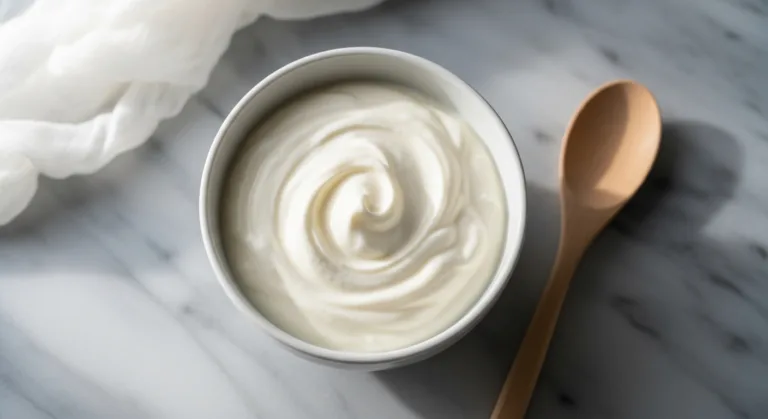
Strain your kefir through cheesecloth for 12–24 hours until it reaches a cream cheese consistency. The whey drips out, leaving thick, tangy kefir cheese. I season mine with herbs and garlic, then spread it on toast or use it as a dip for vegetables. It’s a fantastic low-waste way to use over-fermented kefir.
Kefir Smoothie Bowls
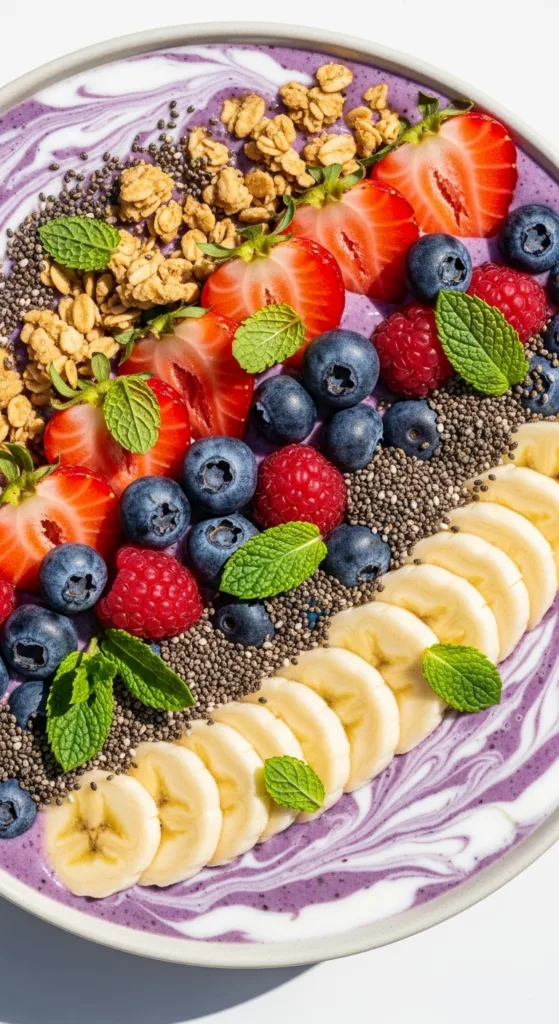
Blend thick kefir with frozen fruit until it reaches a soft-serve consistency, then pour it into a bowl and top with granola, nuts, seeds, and fresh fruit. It’s like a healthier, probiotic-rich version of ice cream for breakfast.
Cultured Butter
If your kefir separates completely, you can skim the thick layer and churn it into cultured butter. It has a complex, tangy flavor that’s incredible on fresh bread. Meanwhile, save the whey for baking or adding to soups—it’s full of probiotics and shouldn’t go to waste.
FAQs

How to Make Kefir at Home
- Total Time: PT24H
- Yield: 2 cups 1x
Description
Learn how to make creamy, tangy homemade kefir using only milk and live kefir grains. This step-by-step guide walks you through fermentation, straining, storage, and expert tips.
Ingredients
- 1–2 tablespoons active kefir grains
- 2 cups milk (whole, low-fat, or goat’s milk)
- 1 clean glass jar
- Breathable cloth or coffee filter
- Rubber band
- Plastic or stainless-steel strainer
Instructions
- Place 1–2 tablespoons of kefir grains into a clean glass jar.
- Pour in 2 cups of milk and gently stir with a plastic or wooden spoon.
- Cover the jar with a cloth or coffee filter and secure it with a rubber band.
- Let the mixture ferment at room temperature (68–75°F) for 12–48 hours.
- Check the kefir; once it thickens and smells tangy, it is ready.
- Strain the kefir through a mesh strainer to separate the grains.
- Transfer grains back to a clean jar and start a new batch, or store grains in milk in the fridge.
- Refrigerate the finished kefir and enjoy chilled.
Notes
• Warmer temperatures make kefir ferment faster.
• Over-fermented kefir becomes very sour—still usable for baking or kefir cheese.
• Non-dairy milks work, but grains must be refreshed with dairy milk regularly.
• Never heat kefir if you want to preserve the probiotics.
- Prep Time: PT5M
- Cook Time: PT0M
- Category: Beverage
- Method: Fermentation
- Cuisine: Traditional
Nutrition
- Serving Size: 1 cup
- Calories: 150
- Sugar: 12
- Sodium: 100
- Fat: 8
- Saturated Fat: 5
- Trans Fat: 0
- Carbohydrates: 12
- Fiber: 0
- Protein: 8
- Cholesterol: 25
Keywords: how to make kefir, homemade kefir, kefir recipe, kefir grains, fermented foods, probiotic drink
Conclusion
Now you know exactly how to make kefir at home with just two ingredients and minimal effort. From choosing the right milk to troubleshooting fermentation times, you have everything you need to start your own probiotic-rich tradition. The beauty of homemade kefir is that it gets easier with each batch, and before long, you’ll be experimenting with flavors, sharing grains with friends, and enjoying the health benefits for pennies per serving. So grab some kefir grains, pour in your milk, and let the fermentation magic begin. Your gut will thank you, and your wallet will too. If you’re looking for more fermented recipes to try, check out our guide to homemade yogurt for another simple probiotic project.
Recipe by Pedro Brice, a home cook passionate about easy comfort food.