

Kefir grains care might sound intimidating at first, but honestly, these little probiotic powerhouses are tougher than you think. I’ve been fermenting kefir for nearly eight years now, and I’ve learned that kefir grains care is less about perfection and more about consistency. After my first batch turned out watery and sour (I’d left the grains unfed for three days), I realized these living cultures need regular attention, just like any pet or plant.
The beauty of kefir grains lies in their resilience. Unlike sourdough starters that can be finicky, kefir grains bounce back from neglect surprisingly well. Moreover, once you understand their basic needs—fresh milk, moderate temperatures, and occasional rinsing—you’ll find that maintaining them becomes second nature. Throughout this guide, I’ll walk you through everything from daily feeding routines to long-term storage solutions, so your grains stay healthy whether you’re making kefir every day or taking a month-long break.

Why You’ll Love This Recipe
First off, keeping kefir grains alive means you’ll never have to buy commercial kefir again. Once you’ve got a healthy culture going, it’ll multiply and provide you with probiotic-rich fermented milk indefinitely. Additionally, the cost savings are incredible—I calculated that my homemade kefir costs about 60% less than store-bought versions.
Beyond the financial benefits, there’s something deeply satisfying about nurturing a living culture. Consequently, you’ll develop a real connection to your food and understand fermentation on a practical level. Plus, healthy grains produce consistently tangy, creamy kefir that you can customize to your taste preferences. Whether you prefer a mild 12-hour ferment or an extra-sour 48-hour version, proper grain care gives you complete control.
I also love how forgiving this process is. Even when I forgot my grains in the fridge for two weeks during a vacation, they revived beautifully after just two fresh milk changes. Therefore, kefir grains care fits easily into busy schedules without demanding perfection.
Step-by-Step Instructions
Daily Feeding Routine
- Strain your fermented kefir through a non-metal strainer into a clean glass or plastic container. Gently shake the strainer to help the liquid pass through, but never press or squeeze the grains—they’re delicate.
- Rinse the jar that held your fermenting kefir with cool water. Avoid using hot water or soap, as residue can harm the beneficial bacteria. Simply rinse and let it air dry or wipe with a clean towel.
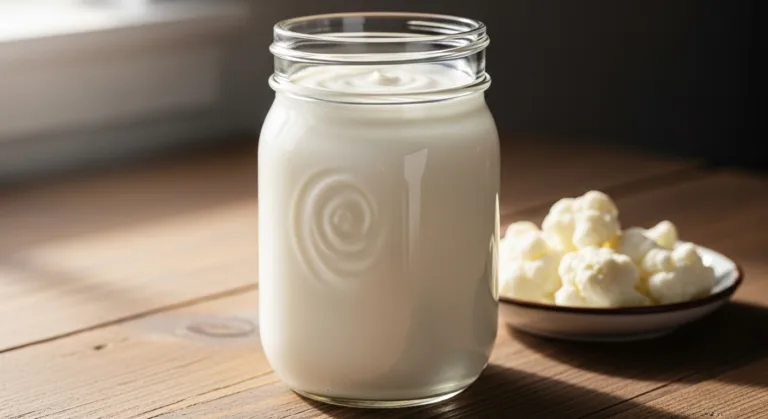
- Transfer the grains back into the clean jar. You should see small, cauliflower-like clusters that feel slightly rubbery to the touch. Healthy grains are typically cream-colored or slightly yellow.
- Add fresh milk at a ratio of about 1 tablespoon of grains to 1 cup of milk. Whole milk works best because the fat content helps create creamier kefir, but you can use 2% if that’s what you have on hand.
- Cover loosely with a coffee filter, paper towel, or breathable cloth secured with a rubber band. The grains need oxygen to ferment properly, so never seal the jar tightly.
- Let it sit at room temperature (68–78°F is ideal) for 12–48 hours depending on your taste preference and ambient temperature. In my kitchen during summer, 18 hours produces perfectly tangy kefir, while winter batches take closer to 24 hours.
Weekly Maintenance
- Rinse your grains once a week under cool, filtered water if you notice they’re becoming slimy or if your kefir develops an off smell. I usually skip this step unless something seems off, as the grains naturally clean themselves during fermentation.
- Check for over-fermentation signs like excessive separation (curds and whey completely divided) or a yeasty smell. If this happens, simply reduce your fermentation time or increase the milk quantity.
Discover our step-by-step methods for Kefir Grains Care
Expert Tips for Success
After years of trial and error, I’ve discovered that temperature consistency matters more than exact temperature. In other words, keep your fermenting jar in the same spot rather than moving it around. My grains live on a kitchen shelf away from direct sunlight, and they’ve thrived there for years.
Never use metal utensils or containers for extended contact with kefir grains. While brief contact during straining won’t hurt them, prolonged exposure to reactive metals can damage the bacterial cultures. Instead, stick with glass, food-grade plastic, or wooden tools.
Furthermore, if your grains multiply too quickly (they can double every few weeks), you have options. Share extras with friends, eat them as a probiotic boost (yes, they’re edible), or blend them into smoothies. I’ve also successfully dehydrated excess grains as backup insurance.
Watch the milk-to-grain ratio carefully. Too many grains in too little milk causes over-fermentation within hours, while too few grains in too much milk produces weak, barely-fermented kefir. As a result, aim for that 1:1 tablespoon-to-cup ratio as your baseline and adjust based on your grains’ activity level.
| Fermentation Time | Kefir Consistency | Flavor Profile | Best Uses |
|---|---|---|---|
| 12–18 hours | Thin, drinkable | Mild, slightly sweet | Smoothies, beginners, drinking straight |
| 24 hours | Medium thickness | Balanced tang | All-purpose use, baking |
| 36–48 hours | Thick, separated | Very tangy, sour | Making kefir cheese, salad dressings |
Serving Ideas
While this guide focuses on grain care rather than kefir consumption, healthy grains produce kefir that’s incredibly versatile. Consequently, you can drink it plain, blend it into fruit smoothies, or use it as a buttermilk substitute in baking recipes. I personally love using my kefir in overnight oats because it adds tanginess and extra probiotics.
Additionally, strained kefir makes an excellent base for salad dressings when you let it ferment longer for that extra-sour kick. Mix it with herbs, garlic, and olive oil for a probiotic-rich ranch alternative. Furthermore, you can culture cream with kefir grains to create a tangy sour cream that’s far superior to store-bought versions.
Storage & Reheating
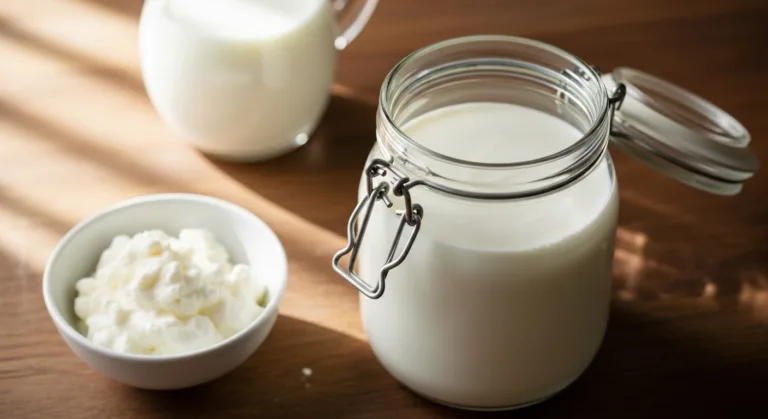
Since kefir grains are living organisms, storage becomes crucial when you need a break from daily fermentation. For short breaks (up to two weeks), place your grains in fresh milk and refrigerate them. The cold temperature slows fermentation dramatically, so they’ll stay alive without daily feeding.
For longer storage (several weeks to months), I recommend the milk-change method. Every two weeks, drain the old milk, rinse the grains briefly, and add fresh milk before returning them to the fridge. This keeps them alive but dormant. I’ve successfully stored grains this way for up to six weeks.

Alternatively, you can dry your grains for long-term storage. Rinse them thoroughly, spread them on parchment paper, and let them air-dry completely (about 3–5 days). Store dried grains in an airtight container in a cool, dark place. They’ll remain viable for months or even years. However, reactivation takes patience—plan on several days of fresh milk changes before they ferment normally again.
Never freeze kefir grains in milk, as ice crystals damage the bacterial structure. If you must freeze them, rinse and pat dry first, though I’ve found dried storage works better overall.
Recipe Variations
Non-Dairy Adaptation
If you need to rest your grains from dairy milk, coconut milk works surprisingly well as a temporary alternative. Use full-fat canned coconut milk and ferment for 24–48 hours. Keep in mind that grains need dairy milk to thrive long-term, so alternate between coconut milk batches and regular milk to maintain grain health.
Temperature Adjustments
During hot summers, my kitchen reaches 80°F, which accelerates fermentation significantly. Therefore, I reduce fermentation time to just 12–14 hours or move the jar to a cooler spot like the basement. Conversely, winter fermentation in a 65°F kitchen requires 30–36 hours to achieve the same tanginess.
Grain Multiplication Management
When your grains multiply beyond what you need, start a second jar to experiment with different fermentation times. I keep one jar for mild morning kefir (18 hours) and another for extra-sour kefir (36 hours) that I use in baking. This way, excess grains become an advantage rather than a problem.
| Storage Method | Duration | Maintenance Required | Best For |
|---|---|---|---|
| Refrigerated in milk | Up to 2 weeks | None | Short breaks, travel |
| Refrigerated with milk changes | 4–8 weeks | Change milk every 2 weeks | Extended breaks, seasonal use |
| Air-dried | 6–12 months | None after drying | Long-term backup, sharing |

Don’t miss our: Kefir Grains Care
FAQs
Conclusion
Kefir grains care doesn’t have to be complicated or time-consuming. With just five minutes of daily attention and a basic understanding of their needs, you’ll maintain a thriving culture that produces delicious, probiotic-rich kefir for years to come. Remember that these resilient organisms forgive mistakes and bounce back from neglect better than most fermentation cultures. Whether you’re fermenting daily or storing them long-term, the key is consistency and clean practices. Start small, observe how your grains respond to your home’s temperature and routine, and adjust accordingly. Before long, you’ll develop an intuitive sense for what your grains need, and kefir making will become as natural as brewing your morning coffee.
Recipe by James Matos, a home cook passionate about easy comfort food.
Print
Kefir Grains Care: Keep Your Culture Thriving Year-Round
- Total Time: Varies (12–48 hours per ferment)
- Yield: Perpetual culture — continuous batches
Description
Practical, easy-to-follow guide to keeping kefir grains healthy and active year-round — five minutes a day, simple storage methods, and troubleshooting tips for consistently tangy, probiotic-rich kefir.
Ingredients
- Fresh whole milk (or 2% if preferred)
- Kefir grains
- Clean glass jar (1–2 quart)
- Non-metal strainer
- Breathable cover (coffee filter, paper towel, or clean cloth)
- Rubber band or jar ring
- Measuring spoon (1 tbsp)
- Filtered cool water (for optional rinsing)
- Parchment paper (for air-drying)
- Air-tight container (for dried storage)
Instructions
- Strain fermented kefir through a non-metal strainer into a clean container; do not press or squeeze the grains.
- Rinse the jar with cool water (no soap) and let air dry or wipe with a clean towel.
- Return the grains to the clean jar — they should look like small, cauliflower-like clusters.
- Add fresh milk using a ratio of about 1 tablespoon of grains to 1 cup of milk.
- Cover the jar loosely with a breathable cover and secure with a rubber band; do not seal tightly.
- Let ferment at room temperature (68–78°F / 20–26°C) for 12–48 hours depending on desired tanginess.
- Adjust fermentation time seasonally — shorter in warm weather (12–18 hours), longer in cool kitchens (24–36 hours).
- Weekly: rinse grains under cool, filtered water only if they become slimy or produce an off smell; avoid over-washing.
- For short breaks (up to 2 weeks): store grains submerged in fresh milk in the refrigerator.
- For longer storage (4–8 weeks): use the milk-change method — change the milk every 2 weeks while refrigerated.
- For long-term backup: rinse, air-dry grains on parchment for 3–5 days until brittle, then store dried in an airtight container in a cool, dark place.
- If grains multiply, share extras, dehydrate for backup, or start a second jar to experiment with different ferment times.
Notes
Keep fermentation spot temperature consistent, avoid prolonged contact with reactive metals, and expect to rehydrate dried grains with several daily milk changes before they return to full activity.
- Prep Time: 5 minutes (daily)
- Cook Time: N/A
- Category: Fermentation
- Method: Room-temperature fermentation
- Cuisine: N/A
Nutrition
- Serving Size: 1 cup (variable)
Keywords: kefir, kefir grains, fermentation, probiotics, milk, culture care
Sources
- USDA Food Safety and Inspection Service – Fermented Foods
- Journal of Dairy Science – Kefir Grain Microbiology
- International Journal of Food Microbiology – Probiotic Cultures
- FDA Food Code – Fermentation Guidelines