
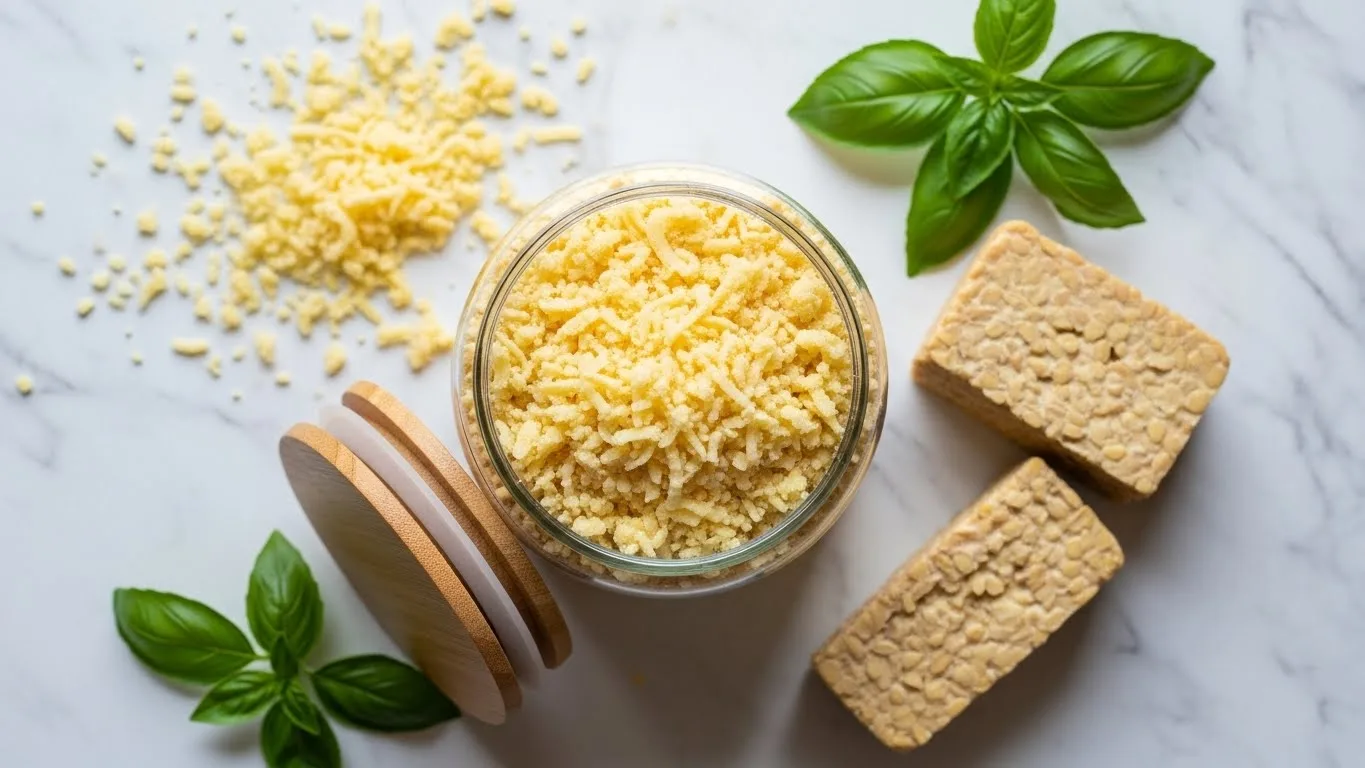
Want to transform humble tempeh into grate-able, savory vegan cheese? This tempeh cheese fermentation method takes advantage of tempeh’s naturally funky, umami-rich character to create an aged Parmesan-style cheese that actually melts in your mouth. Just a 24-hour brine, a few hours in the oven, and you’ve got protein-packed plant cheese ready for pasta, salads, or snacking. Follow this step-by-step guide for your new favorite pantry staple!
I’ll never forget the first time I grated tempeh cheese fermentation magic over a bowl of spaghetti. My friend looked at me like I’d lost my mind—until she tasted it. That savory, tangy bite was unmistakably cheese-like, and she couldn’t believe it came from a block of fermented soybeans. That’s the beauty of working with tempeh: it’s already halfway to becoming cheese thanks to its natural fermentation process.
Most people think of tempeh as just another protein option for stir-fries, but I’ve discovered it’s so much more versatile. After months of testing different brining methods and drying times, I’ve nailed down a tempeh cheese fermentation technique that delivers consistent, delicious results every single time. Moreover, this method respects the Indonesian roots of tempeh while giving it an Italian twist that works beautifully in Western cooking.
According to research from the USDA, tempeh contains beneficial probiotics and is naturally rich in protein, making it an excellent base for plant-based cheese alternatives. The fermentation that creates tempeh—courtesy of Rhizopus molds—develops those deep, complex flavors we associate with aged cheeses. Consequently, when you add a strategic brine and controlled drying process, you’re essentially creating a double-fermented product with incredible depth.
Why You’ll Love This Recipe
First and foremost, this tempeh cheese fermentation recipe is ridiculously easy compared to other vegan cheese methods. You’re not blending cashews for twenty minutes or waiting weeks for nut cheese to culture. Instead, you’re working with tempeh that’s already fermented, which cuts your active work time to maybe fifteen minutes.
I tested this recipe six times before sharing it, tweaking the salt levels and drying temperature until I found the sweet spot. What I love most is that it gets better as it sits—the flavors meld and intensify over a few days in the fridge. Additionally, it’s incredibly cost-effective. A single block of tempeh costs about three dollars and yields roughly eight ounces of cheese, whereas store-bought vegan Parmesan can run you twelve dollars or more.
The texture is another win. When you grate this tempeh cheese fermentation creation, it produces those perfect powdery flakes that stick to pasta and melt slightly from residual heat. Furthermore, it’s shelf-stable for up to two weeks refrigerated, and it freezes beautifully for months. I always keep a batch in my freezer for those nights when I need to elevate a simple dish quickly.
Finally, it’s a whole-food option. Unlike many commercial vegan cheeses loaded with oils and starches, this recipe uses recognizable ingredients you probably already have in your pantry. The fermentation process also makes the soybeans easier to digest while preserving all those beneficial probiotics.
Related Recipes
Looking for more ways to use fermented ingredients in your cooking? Check out these favorites from my kitchen:
- Fermented Garlic Oil for Heart and Gut Health
- Lacto-Fermented Pickles for Beginners
- Easy Fermented Garlic Butter Recipe
How To Make Tempeh Cheese Fermentation
Step 1: Prepare Your Tempeh
Start by cutting your eight-ounce tempeh block into two triangular wedges to mimic traditional cheese wheels. This isn’t just for aesthetics—the wedge shape actually helps with even brining and makes grating easier later. Place the wedges in a shallow glass or ceramic container that’s just large enough to hold them snugly.
I learned the hard way not to use metal containers for this step. The acidic brine can react with certain metals and give your cheese an off flavor. Additionally, make sure your container has a tight-fitting lid since you’ll be refrigerating this for twenty-four hours.
Step 2: Mix the Fermentation Brine
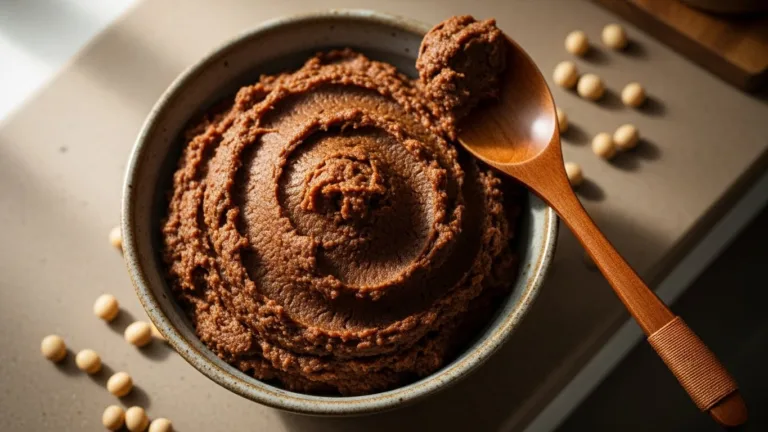
In a separate bowl, whisk together two tablespoons of fresh lemon juice, two tablespoons of apple cider vinegar, two tablespoons of white miso paste, one tablespoon of nutritional yeast, and one tablespoon of fine sea salt. The miso is crucial here—it adds that umami depth and contributes its own fermented character to the final product.
Keep whisking until the miso fully dissolves and the mixture looks smooth. Then, gradually add about one-quarter to one-third cup of filtered water, just enough to create a pourable brine. The consistency should be similar to a thin salad dressing. I tested this with tap water once, and the chlorine seemed to interfere with the flavors, so I always use filtered water now.

Step 3: Brine the Tempeh
Pour the brine mixture over your tempeh wedges, making sure they’re completely submerged. If they’re floating or partially exposed, add a bit more water—the tempeh needs to be fully bathed in those flavors. Seal the container and refrigerate for exactly twenty-four hours.
During this time, the tempeh will absorb the brine’s complex flavors while the acids and salt work to firm up its texture. I usually set a phone reminder because I’ve learned that timing matters. Under twenty-four hours and the flavors haven’t fully penetrated; over thirty hours and the tempeh can become too salty.
Step 4: Drain and Dry
After the brining period, remove the tempeh and drain it thoroughly. I like to place the wedges on a clean kitchen towel and gently pat them dry—you want to remove surface moisture without squeezing out the brine that’s been absorbed. The tempeh should feel firmer than when you started and have a noticeably darker color.
Save that leftover brine, by the way. I’ve used it as a marinade for vegetables and even stirred a spoonful into soup for extra umami punch. It’ll keep in the fridge for about a week.

Step 5: Dehydrate Until Firm
Preheat your oven to 175°F (or the lowest setting your oven allows—some go down to 170°F, others only to 200°F). Place the tempeh wedges on a wire rack set over a baking sheet, which allows air to circulate all around them. If you don’t have a wire rack, parchment paper works, but you’ll need to flip the wedges halfway through.
Dehydrate for three to four hours, checking occasionally. You’ll know it’s ready when the tempeh feels completely dry to the touch, has darkened significantly, and feels firm throughout. At 175°F, mine usually takes about three and a half hours. However, if you’re using a higher temperature like 200°F, start checking at the three-hour mark to avoid over-drying.
The tempeh will develop an almost leathery exterior while maintaining a firm interior. Let it cool completely at room temperature for about thirty minutes before moving to the next step—warm tempeh won’t grate properly.
| Brining Time | Flavor Profile | Texture Result | Best Uses |
|---|---|---|---|
| 12–18 hours | Mild, slightly tangy | Softer, crumblier | Salad topping, stirring into hot dishes |
| 24 hours | Balanced umami-tang | Firm, grate-able | All-purpose Parmesan substitute |
| 36–48 hours | Very intense, salty | Very firm, dense | Strong accent flavor, use sparingly |

Step 6: Grate and Store
Once cooled, your tempeh cheese is ready to grate. Use a microplane or the fine side of a box grater. I prefer the microplane because it creates those super-fine, fluffy flakes that distribute beautifully over food. Trim a thin slice off one of the flat sides first to create a stable base, then grate away from your body using firm, even strokes.
The tempeh will grate fairly easily, though it might crumble a bit—that’s perfectly normal and actually desirable for the final texture. If you get larger crumbles, you can pulse them in a food processor with an extra teaspoon of nutritional yeast to create a finer powder.
Transfer your grated tempeh cheese to an airtight container and store it in the refrigerator. It’ll stay fresh for up to two weeks, though I’ve never had a batch last that long in my house. The flavors actually develop more complexity over the first few days as the cheese continues to mature.
How to Store and Serve Tempeh Cheese Fermentation
Storage is straightforward with this tempeh cheese fermentation project. Keep the whole wedges wrapped tightly in parchment paper inside an airtight container, or store pre-grated cheese in a glass jar with a secure lid. The refrigerator is your best bet for maintaining quality, though the cheese will keep at room temperature for a day or two if needed—the fermentation and salt content provide natural preservation.
For longer storage, I freeze individual wedges wrapped in parchment and sealed in freezer bags. They’ll last up to six months this way. When you’re ready to use frozen tempeh cheese, let it thaw in the fridge overnight, then grate as usual. The texture might be slightly more crumbly after freezing, but the flavor remains excellent.
Serving options are endless. I use this tempeh cheese fermentation exactly like I’d use Parmesan: grated over pasta, risotto, or polenta; stirred into soups for a flavor boost; sprinkled on roasted vegetables; or even eaten in thin slices with crackers and fruit. The cheese has enough structure to hold its shape when sliced thinly, making it perfect for charcuterie boards.
One trick I’ve learned is to grate it fresh over hot food whenever possible. The residual heat from pasta or soup will slightly soften the cheese and release its aromatic compounds, creating an even more intense flavor experience. Additionally, try mixing grated tempeh cheese into breadcrumb toppings for gratins—it adds incredible savory depth.
Expert Tips for Success
Choose quality tempeh: Not all tempeh is created equal. Look for organic brands with minimal ingredients—just soybeans and culture. Fresh tempeh from the refrigerated section works better than shelf-stable varieties, which can have a less active fermentation profile.
Don’t skip the boiling step: Many tempeh recipes call for boiling before other preparations, but I’ve found it unnecessary here since the brining does similar work. However, if your tempeh has a particularly strong or bitter flavor, a quick five-minute boil in salted water before brining can mellow it out.
Temperature matters: If your oven runs hot, invest in an oven thermometer. I discovered mine was running fifteen degrees higher than the dial indicated, which explains why my first batch over-dried. The ideal dehydration temperature is between 170°F and 180°F—hot enough to dry but not so hot that you’re cooking the tempeh further.
Experiment with mix-ins: Once you’ve mastered the basic recipe, try adding dried herbs to your brine. I’ve had great success with dried rosemary, thyme, or even a pinch of smoked paprika. Just remember that dried herbs are potent, so start with a quarter teaspoon and adjust to taste.
Mind the mold: If you see any pink, orange, or green mold developing during storage, discard the entire batch. However, white or grayish spots are just tempeh’s natural mold continuing to grow, which is safe. You can scrape them off or leave them—they’re harmless and even beneficial.
Grating technique: For the finest, most Parmesan-like texture, freeze your tempeh wedge for about thirty minutes before grating. This firms it up just enough to prevent excessive crumbling. Then, use light pressure and long strokes with your grater or microplane.
Recipe Variations
Spicy Italian Style: Add one teaspoon of red pepper flakes and one teaspoon of dried oregano to your brine. This creates a more pizza-appropriate cheese that works beautifully on focaccia or in Italian-style sandwiches.
Smoky Tempeh Cheese: Include one teaspoon of smoked paprika and a quarter teaspoon of liquid smoke in your brine mixture. This variation is phenomenal on grilled vegetables or stirred into smoky bean soups. I discovered it by accident when I grabbed the wrong paprika jar, and now it’s a favorite.
Herb Garden Version: Blend two tablespoons of fresh herbs (basil, parsley, or dill work great) into your brine before pouring it over the tempeh. The fresh herb flavor penetrates the tempeh beautifully and adds bright, garden-fresh notes to the finished cheese.
Aged Intensity: For a more Pecorino-like punch, extend the brining time to thirty-six hours and reduce the water in your brine by half. The result is much saltier and more intense, perfect for using sparingly as a flavor accent rather than as a topping cheese.
Asian Fusion: Replace the lemon juice with rice vinegar and add one tablespoon of tamari to the brine. Skip the nutritional yeast and add a half teaspoon of toasted sesame oil instead. This creates an umami bomb that’s perfect over rice bowls or ramen.
Superfood Boost: Stir one tablespoon of ground shiitake mushroom powder into your brine for extra umami depth and immune-supporting compounds. Dried mushroom powder amplifies the earthy, savory notes while adding nutritional benefits.
FAQs
Also Try
Want to explore more plant-based fermentation projects? These recipes will expand your cultured cooking repertoire:
- Fermented Garlic Safety
- Simple Fermented Garlic Honey Recipe
- The Complete Guide to Vegetable Fermentation
Conclusion
This tempeh cheese fermentation method has genuinely changed how I think about plant-based cooking. Instead of trying to replicate dairy cheese exactly, we’re celebrating tempeh’s unique fermented character and enhancing it with complementary flavors. The result is something that stands on its own merit—a protein-rich, probiotic-filled topping that adds incredible depth to countless dishes.
I hope you’ll give this recipe a try and discover what I’ve learned: sometimes the best innovations come from respecting traditional fermented foods while being creative with how we use them. Once you’ve mastered the basic technique, you’ll find yourself keeping tempeh cheese in your fridge at all times, ready to elevate everything from simple weeknight pasta to impressive dinner party risottos.
Recipe by Pedro Brice, a home cook passionate about making fermented foods accessible to everyone.

Tempeh Cheese Fermentation: Easy Guide to Cultured Plant-Based Perfection
- Total Time: 24 hours 10 minutes
- Yield: 8 servings 1x
- Diet: Vegan
Description
An easy tempeh cheese fermentation method that turns simple tempeh into a savory, grate-able, Parmesan-style vegan cheese with deep umami flavor.
Ingredients
- 1 block (8 oz) organic tempeh
- 2 tablespoons fresh lemon juice
- 2 tablespoons apple cider vinegar
- 2 tablespoons white miso paste
- 1 tablespoon nutritional yeast
- 1 tablespoon fine sea salt
- 1/4–1/3 cup filtered water
Instructions
- Cut the tempeh block into two triangular wedges.
- Place the tempeh wedges into a shallow glass or ceramic container.
- In a bowl, whisk together lemon juice, apple cider vinegar, miso paste, nutritional yeast, and sea salt.
- Add filtered water gradually until a thin, pourable brine forms.
- Pour the brine over the tempeh, ensuring the wedges are fully submerged.
- Cover and refrigerate for 24 hours.
- Remove tempeh from the brine and gently pat dry with a clean towel.
- Preheat the oven to 175F or the lowest possible setting.
- Place tempeh on a wire rack set over a baking sheet.
- Dehydrate in the oven for 3-4 hours until completely dry and firm.
- Cool the tempeh fully at room temperature.
- Grate using a microplane or fine grater and store in an airtight container.
Notes
Use high-quality organic tempeh for best flavor. Allow the cheese to rest in the fridge for a day after grating for deeper, more developed taste.
- Prep Time: 10 minutes
- Cook Time: 4 hours
- Category: Condiment
- Method: Fermentation
- Cuisine: Plant-Based
Nutrition
- Serving Size: 2 tablespoons
- Calories: 45
- Sugar: 1g
- Sodium: 180mg
- Fat: 2g
- Saturated Fat: 0.3g
- Unsaturated Fat: 1.5g
- Trans Fat: 0g
- Carbohydrates: 3g
- Fiber: 1g
- Protein: 4g
- Cholesterol: 0mg
Keywords: tempeh cheese fermentation, vegan parmesan, fermented tempeh, plant based cheese
Sources
- USDA FoodData Central – Tempeh Nutritional Profile
- Academy of Nutrition and Dietetics – Fermented Foods and Gut Health
- Journal of Food Science – Tempeh Fermentation Research
- FDA Food Safety Guidelines – Fermented Soy Products