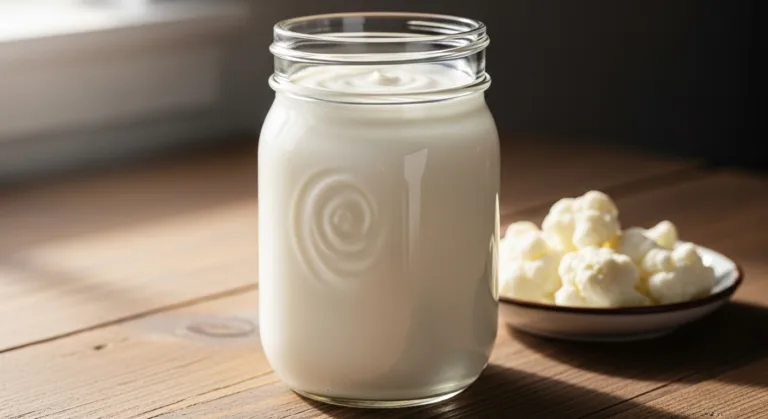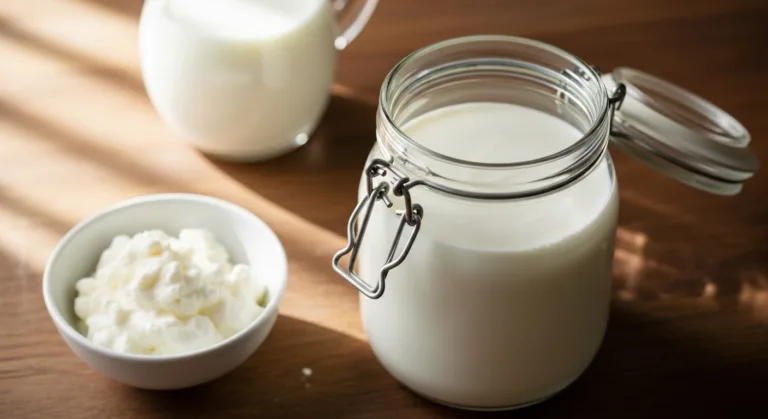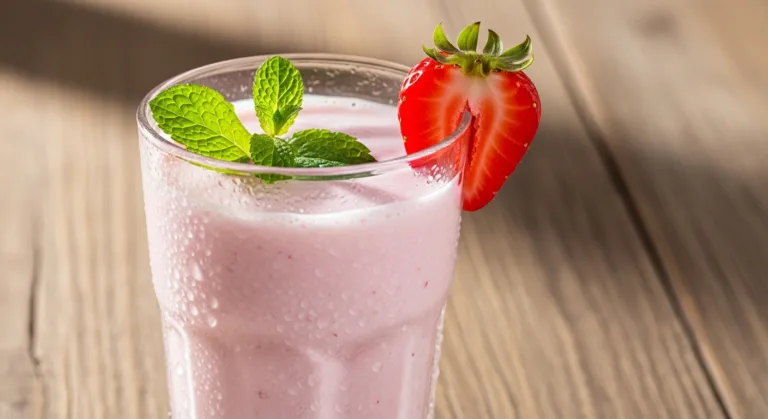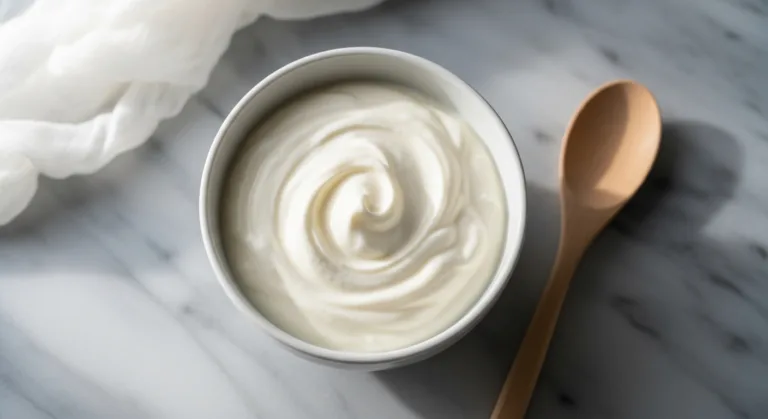

Vegan kefir alternatives have become my go-to solution for gut health without relying on dairy. After spending years experimenting with fermentation in my Portland kitchen, I’ve discovered that coconut and cashew bases create the most satisfying probiotic drinks. Whether you’re lactose intolerant, following a plant-based diet, or simply curious about fermentation, these methods deliver the same tangy complexity as traditional kefir—just without the milk.
I first started making these alternatives after a friend asked if there was a way to enjoy kefir’s benefits while staying vegan. Consequently, I spent three weeks testing different plant milks, fermentation times, and starter cultures. The breakthrough came when I realized that fatty plant bases like coconut and cashews provide the richness needed for proper fermentation. Now, I make a fresh batch every week, and honestly, I prefer it to dairy versions.
Why You’ll Love This Recipe
First off, these vegan kefir alternatives taste incredible—creamy, tangy, and naturally effervescent without any animal products. Moreover, they’re packed with beneficial probiotics that support digestive health, just like their dairy counterparts. I love that you can customize the flavor intensity by adjusting fermentation time, making it perfect whether you prefer mild or intensely sour profiles.
Additionally, making your own vegan kefir costs a fraction of store-bought versions. You’ll save money while controlling every ingredient that goes into your drink. Furthermore, both coconut and cashew versions are incredibly versatile—use them in smoothies, pour them over granola, or drink them straight. Finally, the process itself is surprisingly simple once you understand the basic principles of fermentation.
Step-by-Step Instructions
For Coconut Vegan Kefir:
- Prepare your jar: Start by sterilizing a clean glass jar with boiling water, then let it cool completely. This prevents unwanted bacteria from interfering with fermentation.
- Add coconut milk: Pour 2 cups of full-fat coconut milk into your jar. I always use canned coconut milk because it has the highest fat content, which creates the creamiest texture.
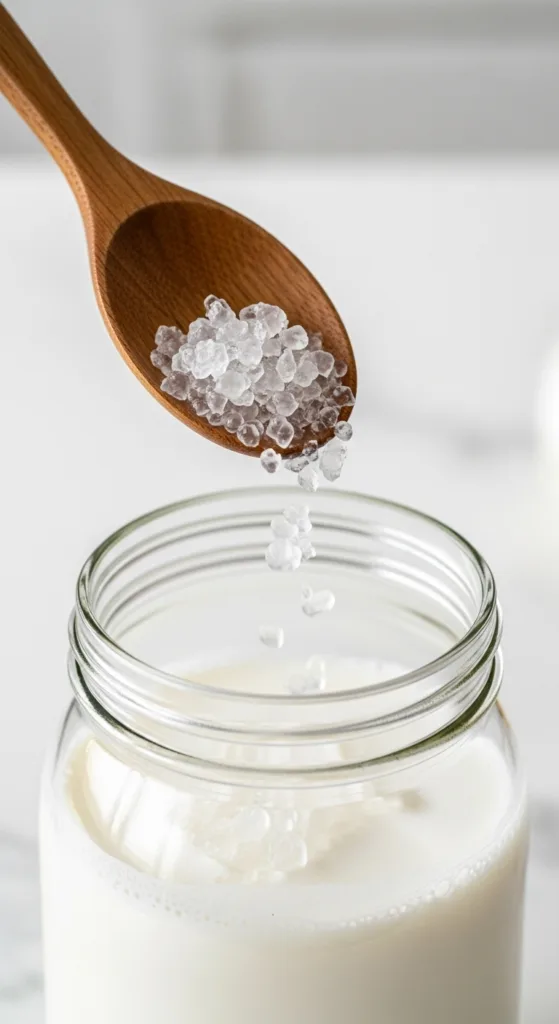
- Introduce your culture: Add 2 tablespoons of water kefir grains or one packet of vegan kefir starter culture. Gently stir with a non-metal spoon to distribute the culture evenly throughout the coconut milk.
- Cover and ferment: Place a breathable cloth or coffee filter over the jar opening and secure it with a rubber band. Set the jar in a warm spot (68-78°F) away from direct sunlight.
- Wait and monitor: Let it ferment for 12-24 hours, checking periodically. You’ll notice it thickening and developing a tangy aroma—that’s exactly what you want.
- Strain and store: Once fermented to your liking, strain out the kefir grains (save them for your next batch) and transfer the finished kefir to the refrigerator.
For Cashew Vegan Kefir:
- Soak cashews: Place 1 cup of raw cashews in a bowl, cover with water, and soak for 4-6 hours. This softens them for easier blending.
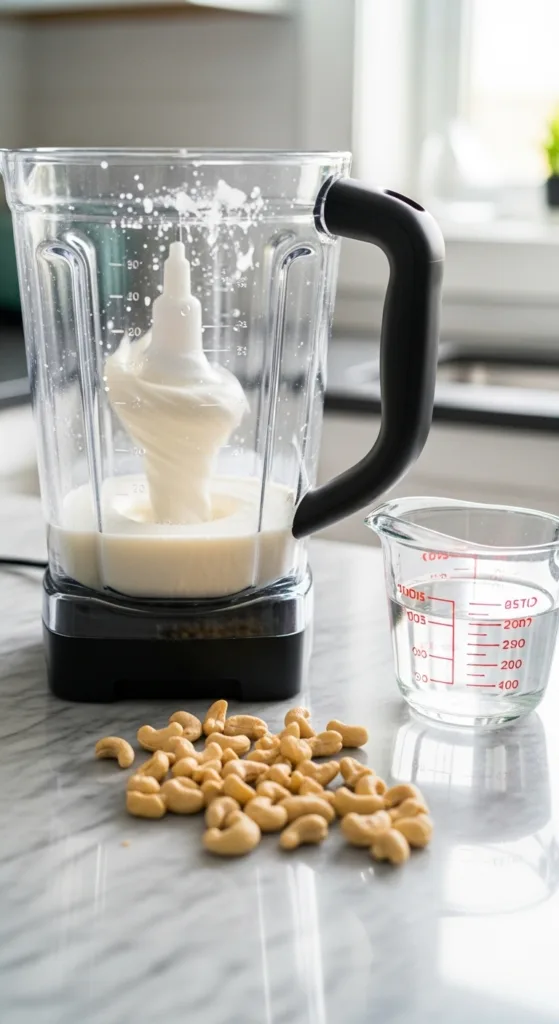
- Blend the base: Drain the cashews and blend them with 3 cups of filtered water until completely smooth. The mixture should look like creamy milk without any graininess.
- Add probiotic culture: Pour the cashew milk into a sterilized jar and stir in 2 tablespoons of water kefir grains or one starter culture packet.
- Ferment: Cover with a breathable cloth and let it sit at room temperature for 18-24 hours. Cashew kefir typically takes slightly longer than coconut to develop that characteristic tang.
- Shake and refrigerate: Once fermented, give it a gentle shake, remove the grains if using, and refrigerate for up to one week.
Discover our step-by-step methods for Fermented Dairy for Kids
Expert Tips for Success
Temperature control makes all the difference in fermentation success. I keep my jars between 72-75°F by placing them on top of my refrigerator, where gentle warmth from the motor creates ideal conditions. Additionally, always use non-chlorinated water because chlorine can damage your kefir grains and slow fermentation.
Don’t skip the full-fat coconut milk if you want thick, creamy results. Light versions simply don’t provide enough fat for proper texture development. Furthermore, taste your kefir every 12 hours during fermentation to catch your preferred sourness level—it can go from pleasantly tangy to intensely sour quickly.
If your kefir separates into layers, that’s completely normal. Simply shake it before drinking or strain off the whey for a thicker, Greek-style consistency. Also, remember that warmer temperatures speed up fermentation while cooler temps slow it down, so adjust timing based on your kitchen environment.
| Fermentation Time | Consistency | Flavor Profile | Best Uses |
|---|---|---|---|
| 12–18 hours | Thin, drinkable | Mild, slightly sweet | Smoothies, beginners, drinking straight |
| 24 hours | Medium thickness | Balanced tang | All-purpose use, baking |
| 36–48 hours | Thick, separated | Very tangy, sour | Making kefir cheese, salad dressings |
Serving Ideas
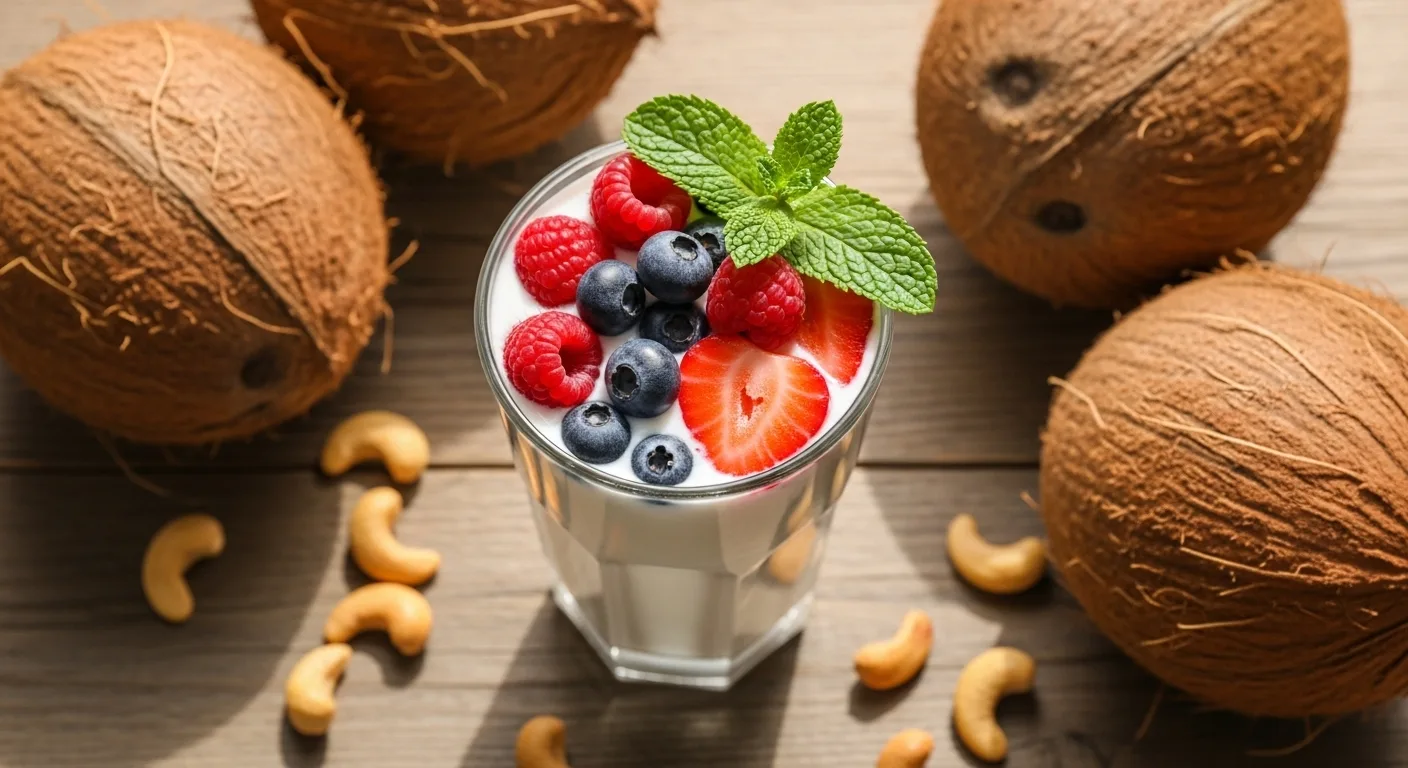
Pour your vegan kefir over fresh berries and granola for a probiotic-packed breakfast that tastes like dessert. I also love blending it into smoothies with banana, spinach, and a spoonful of nut butter for a creamy, gut-healthy drink. Moreover, it makes an excellent base for overnight oats—just mix equal parts kefir and oats, refrigerate overnight, and wake up to ready-made breakfast.
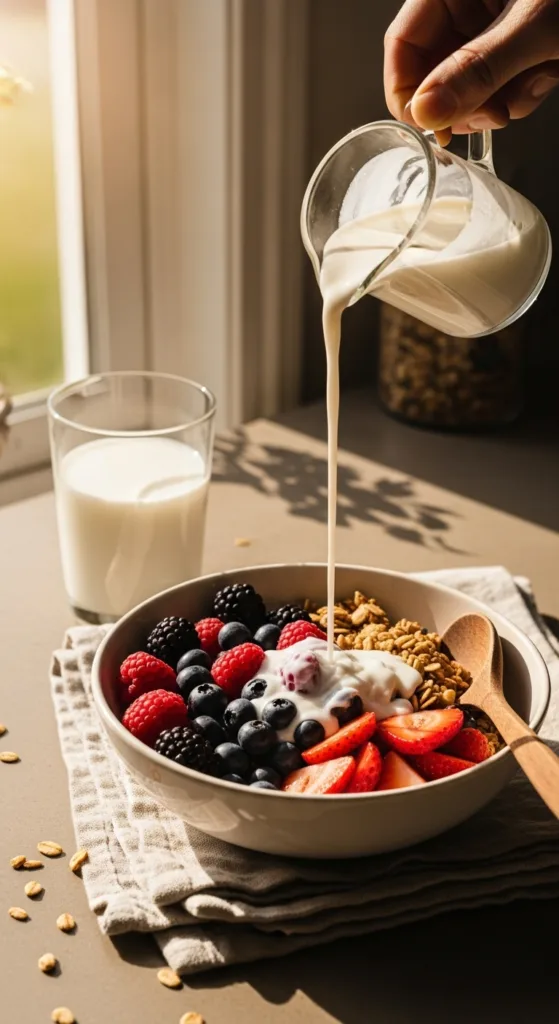
Use it as a tangy addition to salad dressings by whisking it with olive oil, lemon juice, and herbs. Additionally, substitute it for buttermilk in pancake recipes for extra fluffiness and a subtle tang. I’ve even used it in cold soups like gazpacho, where the fermented flavor adds incredible depth.
Storage & Reheating
Store your finished vegan kefir in an airtight glass container in the refrigerator for up to one week. The flavor will continue to develop slightly even when cold, becoming tangier over time. Therefore, if you prefer milder kefir, consume it within 3-4 days of fermentation.
Never heat kefir directly as high temperatures kill the beneficial probiotics that make it valuable. If you want to use it in warm dishes, add it after cooking or use it in no-bake recipes. Furthermore, give your kefir a gentle shake before each use since natural separation occurs during storage.
If you need to take a break from making kefir, you can store your grains in sugar water in the refrigerator for up to two weeks. They’ll go dormant but reactivate once you return them to fresh coconut or cashew milk.
Recipe Variations
Berry-Infused Kefir: After primary fermentation, add ½ cup of mashed berries and ferment for an additional 12 hours for a fruity, naturally sweetened version.
Vanilla Kefir: Stir in ½ teaspoon of vanilla extract and a tablespoon of maple syrup after fermentation for a dessert-like treat.
Green Kefir Smoothie: Blend your finished kefir with spinach, mango, and ginger for a nutrient-dense breakfast drink.
Spiced Chai Kefir: Add cardamom, cinnamon, and ginger to your coconut milk before fermentation for a warming, aromatic variation.
Thick Kefir Cheese: Let your kefir ferment for 48 hours, then strain through cheesecloth overnight to create a spreadable, cream cheese-like product perfect for bagels.
FAQs
Conclusion
Making your own vegan kefir alternatives at home transforms your approach to gut health while keeping things completely plant-based. Both coconut and cashew methods produce incredibly creamy, probiotic-rich drinks that rival anything you’ll find in stores. After weeks of testing, I can confidently say these versions deliver on flavor, nutrition, and satisfaction. Start with the coconut version if you want immediate results, or try cashews for a milder, nuttier profile. Either way, you’ll soon wonder why you ever bought store-bought versions. Give this recipe a try and let me know which base becomes your favorite!
Recipe written by William Hardin, a home cook passionate about easy comfort food.
Print
Vegan Kefir Alternatives: Coconut and Cashew Cultivation Methods
- Total Time: 12–24 hours (depending on ferment)
- Yield: About 4 cups (varies) 1x
- Diet: Vegan
Description
Want creamy, probiotic-rich kefir without dairy? Learn simple, reliable methods for making vegan kefir alternatives using full-fat coconut milk or cashew milk. These plant-based ferments deliver tangy, creamy, gut-friendly results perfect for smoothies, breakfast bowls, and cooking.
Ingredients
- Coconut Kefir:
- 2 cups full-fat canned coconut milk
- 2 tablespoons water kefir grains or 1 packet vegan kefir starter
- Non-chlorinated water (optional, small splash to adjust consistency)
- Non-metal spoon
- Cashew Kefir:
- 1 cup raw cashews
- 3 cups filtered water (for blending)
- 2 tablespoons water kefir grains or 1 packet vegan kefir starter
- Non-chlorinated water for soaking
- Fine mesh strainer or cheesecloth
Instructions
- Coconut Kefir — Prepare jar: Sterilize a clean glass jar with boiling water and let cool.
- Add coconut milk: Pour 2 cups full-fat canned coconut milk into the jar.
- Introduce culture: Add 2 tablespoons water kefir grains or 1 packet vegan starter and stir gently with a non-metal spoon.
- Cover & ferment: Cover with a breathable cloth or coffee filter secured with a rubber band; place in a warm spot (68–78°F / 20–26°C).
- Ferment time: Let sit 12–24 hours, checking for thickness and tang; longer = tangier.
- Finish: Strain out grains, transfer kefir to refrigerator, save grains for next batch.
- Cashew Kefir — Soak: Soak 1 cup raw cashews in water 4–6 hours, then drain.
- Blend base: Blend drained cashews with 3 cups filtered water until completely smooth.
- Add culture: Pour cashew milk into a sterilized jar and stir in 2 tablespoons water kefir grains or 1 packet starter.
- Ferment: Cover with breathable cloth and ferment 18–24 hours at room temperature until tangy.
- Finish: Remove grains if used, refrigerate for up to one week; shake before use if separated.
- Notes: Use non-chlorinated water, keep jars warm for steady fermentation, and taste every 12 hours to catch preferred sourness.
Notes
Use full-fat canned coconut milk for creaminess. Store grains in sugar water in the fridge up to two weeks if pausing. Always avoid metal utensils with grains and use non-chlorinated water.
- Prep Time: 15 minutes active
- Cook Time: 0 minutes
- Category: Beverage
- Method: Fermentation
- Cuisine: Vegan
Nutrition
- Serving Size: 1 cup
- Calories: 120
- Sugar: 3g
- Sodium: 15mg
- Fat: 10g
- Saturated Fat: 8g
- Unsaturated Fat: 2g
- Trans Fat: 0g
- Carbohydrates: 5g
- Fiber: 0g
- Protein: 2g
- Cholesterol: 0mg
Keywords: vegan kefir, coconut kefir, cashew kefir, water kefir grains, plant-based fermentation
Sources
- Coconut Milk Nutrition Data – USDA FoodData Central
- Probiotic Benefits of Fermented Foods – Harvard Health
- Water Kefir Grains Fermentation Science – Journal of Food Science
- Plant-Based Milk Fermentation Studies – National Center for Biotechnology Information