
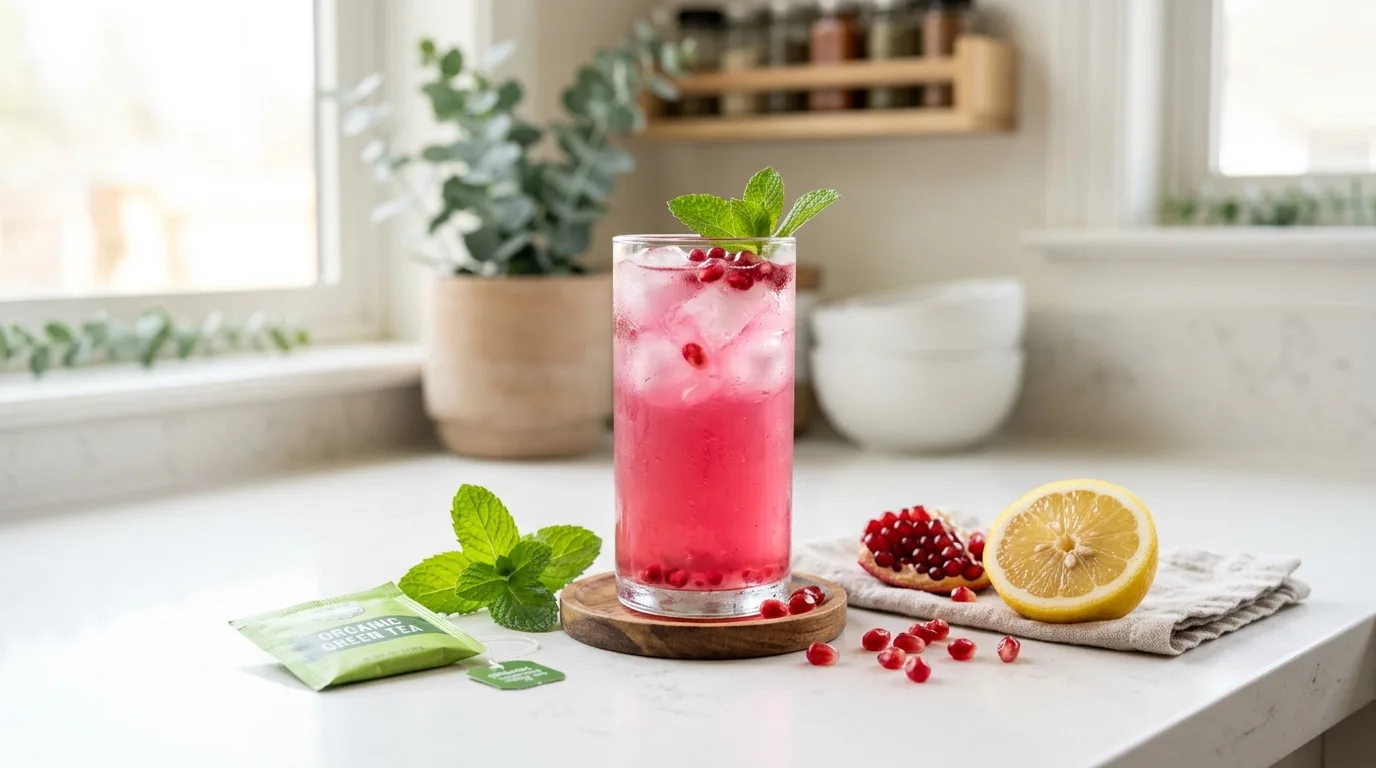
Dr William Li Gelatin Recipe is one of the most searched food-as-medicine wellness drinks of the moment — and for good reason, given Dr. William Li’s reputation as the physician and researcher behind the influential Eat to Beat Disease framework. This article covers what the Dr William Li Gelatin Recipe actually involves, which ingredients are backed by his food-as-medicine philosophy, how to make it at home, and what the science says — alongside related wellness drinks like the Jillian Michaels Gelatin Hack for easy comparison.
Why This Recipe Activates Your Body’s Natural Defenses
Dr. William Li’s philosophy centers on a concept he calls “angiogenesis” — the growth of blood vessels — and how certain foods actively support or suppress processes in the body that drive disease and weight gain. His research identifies specific compounds in everyday foods that have measurable health effects when consumed consistently.
The dr william li pink gelatin recipe draws on several of these principles simultaneously:
- Gelatin and collagen supply the amino acids glycine and proline, which support gut lining integrity, reduce inflammation, and provide a slow-release protein source that signals satiety
- Pomegranate juice or hibiscus — the source of the recipe’s signature pink color — contribute ellagic acid and anthocyanins, polyphenols extensively studied for their metabolic and anti-inflammatory effects
- Green tea or matcha (optional but aligned with Dr. Li’s recommendations) provides EGCG, a catechin that supports fat oxidation and healthy blood sugar levels
- Fresh lemon adds vitamin C, which supports collagen synthesis and brightens the drink naturally
Together, these ingredients create something genuinely more than a standard gelatin drink. They reflect the layered approach to nutrition that makes Dr. Li’s work distinctive: each ingredient earns its place through function, not just flavor.
What I love most about this recipe is that it doesn’t ask you to eat less — it asks you to eat smarter. And that’s a philosophy I can get behind wholeheartedly.
How to Make the Dr William Li Gelatin Recipe at Home
I tested this recipe four times before landing on the version below. The first two attempts were either too tart (too much pomegranate) or too thin (not enough gelatin to give the drink any body). The third batch was close. By the fourth, I’d found the balance that feels genuinely pleasant to drink every morning — bright, lightly sweet, and just substantial enough to make you feel like you’ve done something intentional for your body.
Ingredients:
- 1 tablespoon unflavored gelatin powder (or 1 tablespoon collagen peptides for a liquid-only version)
- 2 tablespoons cold water (for blooming)
- ¾ cup warm green tea (brewed and cooled slightly — not boiling)
- ¼ cup 100% pomegranate juice (unsweetened) — this creates the pink color
- Juice of ½ fresh lemon
- 1 teaspoon raw honey (optional)
- A pinch of ground ginger (optional)
Step 1 — Brew the Green Tea Base and Bloom the Gelatin
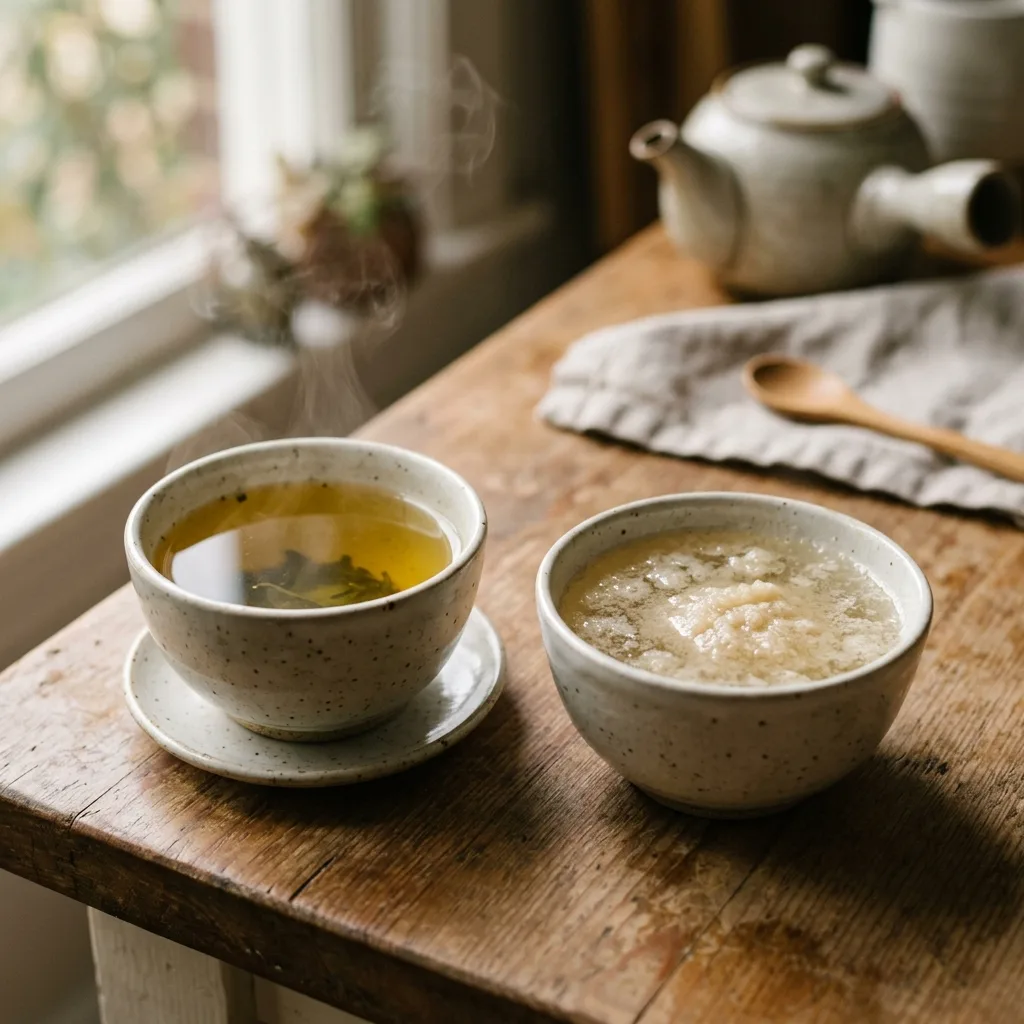
Start by brewing a cup of green tea. Let it steep for 3–4 minutes, then set it aside to cool slightly — you want it warm but not boiling. While the tea cools, add 2 tablespoons of cold water to a small bowl and sprinkle the gelatin powder over the surface. Leave it undisturbed for 2 minutes to bloom. You’ll see it absorb the water and become spongy and slightly translucent. This bloom step ensures smooth, lump-free dissolution later.
If you’re using collagen peptides instead of traditional gelatin, you can skip the blooming step entirely — collagen peptides dissolve directly in warm or cold liquids without needing this preparation. That’s one advantage of the collagen version for busy mornings.
Step 2 — Combine the Tea, Gelatin, and Pomegranate
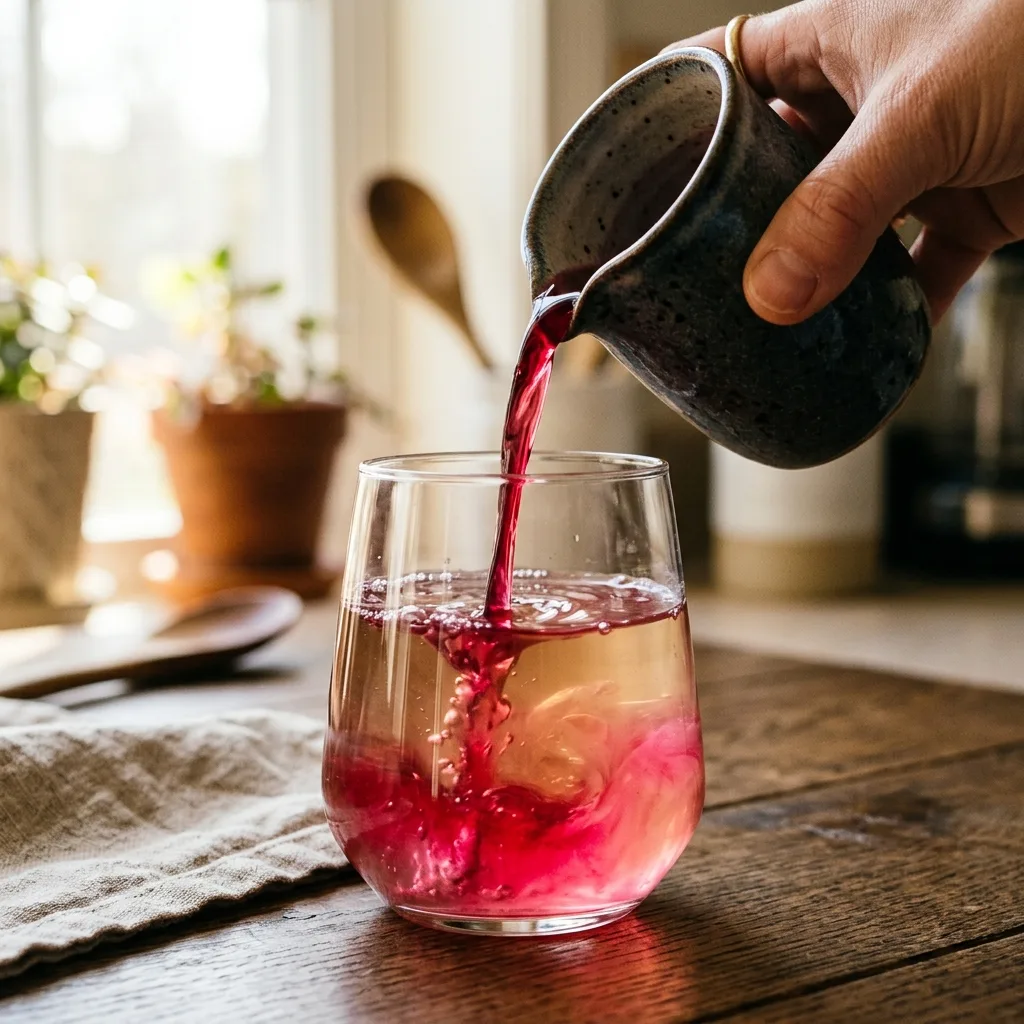
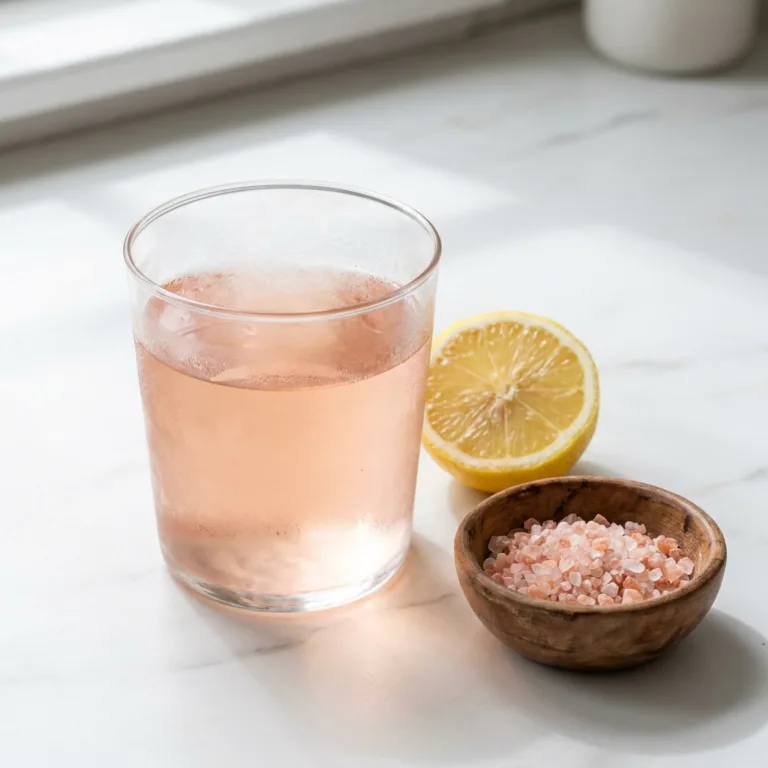
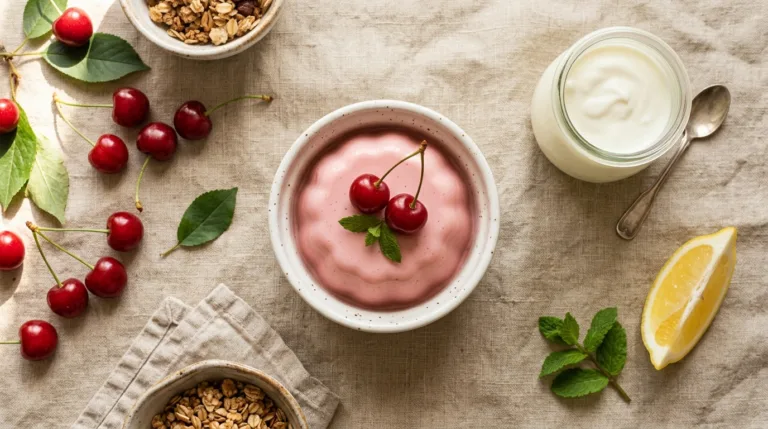
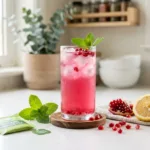
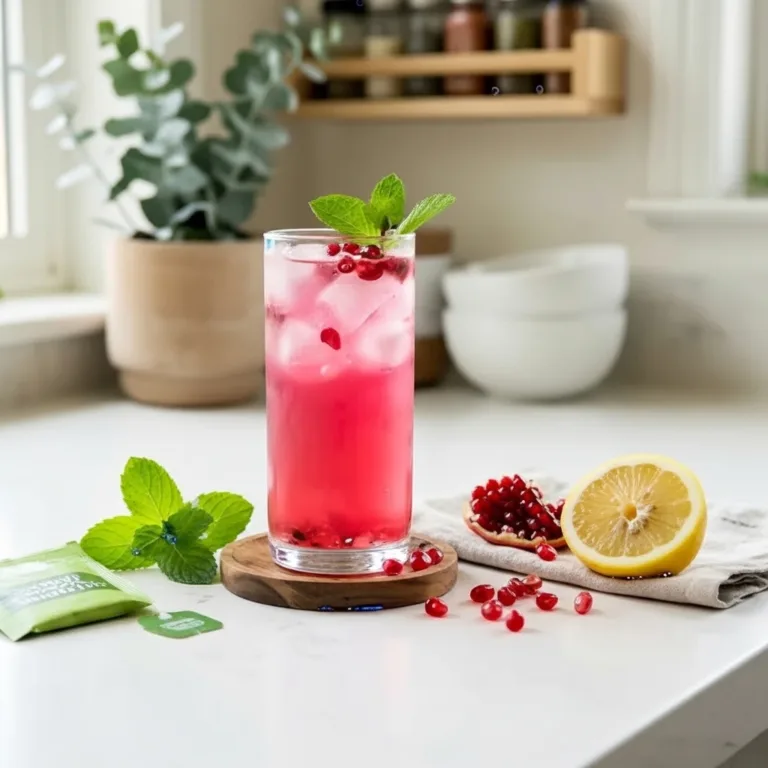
Pour the warm green tea over the bloomed gelatin and stir gently until fully dissolved and the liquid turns clear. Then add the pomegranate juice. Watch the color shift — it’s one of my favorite small moments in this recipe. The deep ruby of the pomegranate turns the whole drink a vivid, beautiful pink. That color is anthocyanins doing exactly what Dr. Li’s research describes: visible, concentrated plant compounds that your body can put to work.
Add the fresh lemon juice at this point, followed by honey and ginger if you’re using them. Stir once more until everything is evenly combined.
Step 3 — Serve Warm or Set for a Chilled Version
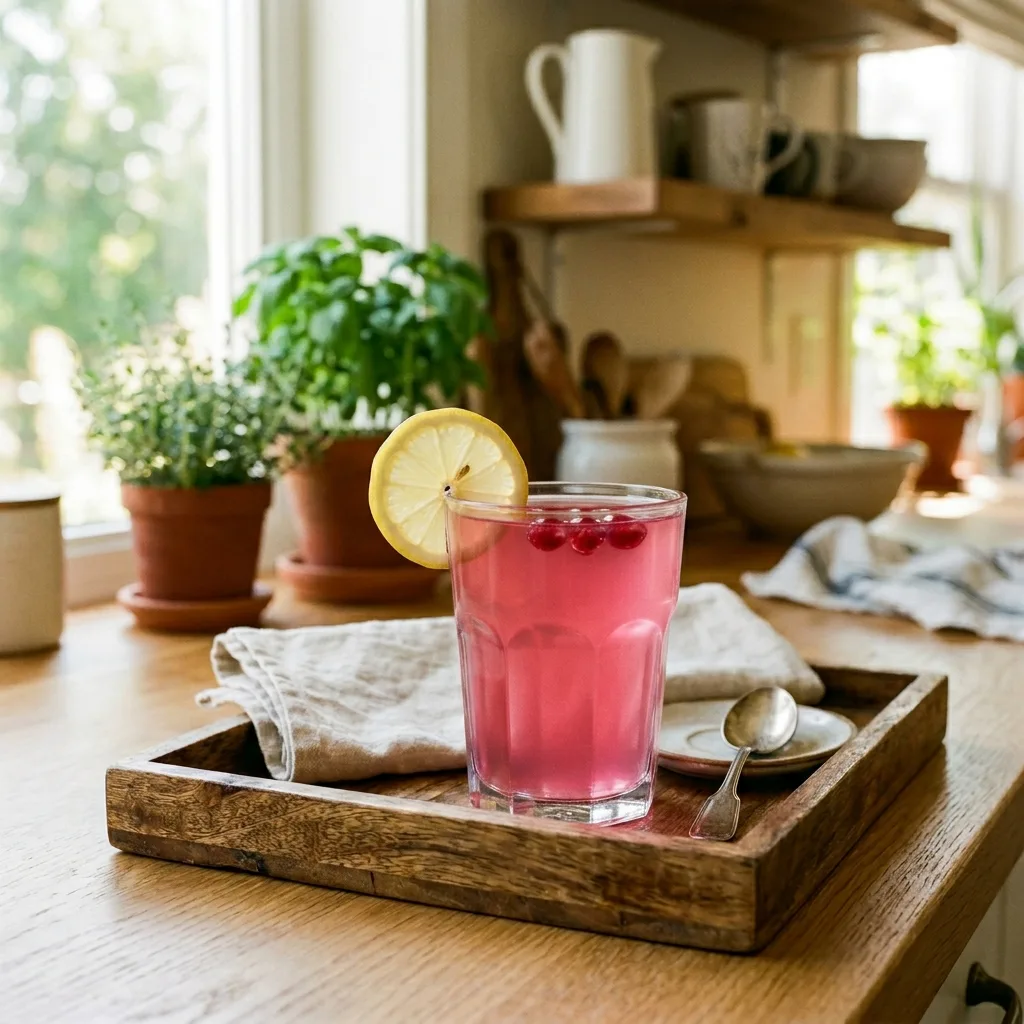
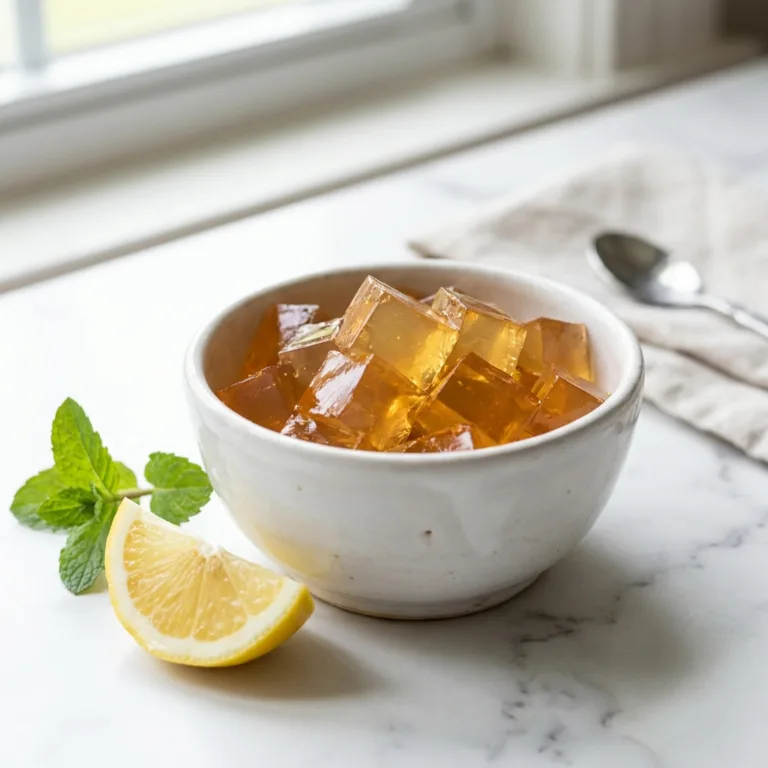
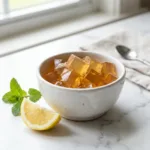
You now have two options. For the warm drink version — which I use most mornings — simply pour into a glass and drink 15–20 minutes before breakfast or your largest meal. For the chilled set version, pour into small glass cups or silicone molds and refrigerate for 1–2 hours until firm. The set version holds its beautiful pink color particularly well and looks genuinely impressive if you’re serving it to family or guests.
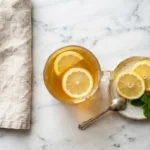
The dr william li japanese gelatin recipe variation (popular in certain wellness communities) uses hojicha or matcha instead of standard green tea for a deeper, earthier flavor profile — that’s worth trying once you’ve made the base version a few times.
How to Store and Serve the Dr William Li Gelatin Recipe
Proper storage keeps this recipe both effective and enjoyable throughout the week.
Warm drink version: Always prepare fresh. The whole process takes under 10 minutes, so there’s no meaningful time savings from prepping it ahead. Freshly squeezed lemon also tastes noticeably better than sitting citrus.
Chilled set cups: These store well. Make a batch of 3–5 small cups, cover them individually, and refrigerate for up to 3 days. The pomegranate color holds beautifully and the set texture stays firm. Pull one out 10 minutes before you plan to consume it if you prefer a slightly softer texture.
Serving suggestions:
- Garnish the chilled version with a few pomegranate arils on top — it looks stunning and adds a small antioxidant boost
- A thin wheel of lemon or a sprig of fresh mint elevates the warm version from functional to genuinely enjoyable
- Serve in a small clear glass or a stemless cup so the pink color is fully visible — it actually makes you want to drink it
Important: Don’t microwave the set gelatin cups. The gelatin will melt back to liquid. If you want a warm version, always start fresh from scratch.
Expert Tips for Success
After four rounds of testing and weeks of daily use, here’s what makes the biggest practical difference:
- Use 100% unsweetened pomegranate juice. Pomegranate juice cocktails or blends typically contain added sugars and far fewer polyphenols than pure pomegranate juice. The label should say “100% pomegranate juice” with no other juices listed.
- Don’t steep the green tea too long. Over-steeping (more than 5 minutes) makes green tea bitter, and that bitterness comes through in the drink. 3–4 minutes is the sweet spot.
- Bloom gelatin first — always. It’s a 2-minute step that prevents clumping entirely. Skip it and the texture suffers noticeably.
- Temperature matters. Your green tea should be hot but not boiling when it hits the bloomed gelatin. Boiling water can degrade gelatin’s protein structure.
- My secret trick is adding the pomegranate juice after the gelatin has dissolved in the tea, not before. This preserves the polyphenols better since they’re not exposed to prolonged heat.
- Consistency is the whole point. Dr. Li’s food-as-medicine approach works through daily exposure to beneficial compounds over time. One cup won’t transform anything — but 30 days of consistent use might genuinely shift how your body responds to meals.
Recipe Variations
Once you’re comfortable with the base recipe, these variations reflect other principles found across dr william li recipes:
Hibiscus version (deeper pink, more tart): Replace pomegranate juice with strongly brewed hibiscus tea cooled to warm. Hibiscus is rich in anthocyanins and adds an even more vivid color than pomegranate. Add a little extra honey to balance the tartness.
Matcha twist (Japanese-inspired): Use matcha instead of regular green tea as your base. Matcha provides a more concentrated dose of EGCG and gives the drink a subtle earthy note that pairs beautifully with the lemon and pomegranate.
Berry boost version: Add 2 tablespoons of fresh blueberry or raspberry juice alongside the pomegranate for an extra anthocyanin layer. The color deepens to a rich purple-pink and the flavor becomes more complex.
Sparkling finish: Once the gelatin has dissolved and the mixture cools to room temperature, top with sparkling water before drinking for a lightly fizzy, refreshing version that feels more like a mocktail.
| FORMAT | PREP TIME | BEST FOR | STORAGE |
|---|---|---|---|
| Warm drink (gelatin) | 8–10 minutes | Morning pre-meal routine, daily habit | Make fresh each time |
| Warm drink (collagen peptides) | 5 minutes | Quick mornings, no-bloom version | Make fresh each time |
| Chilled set cups | 10 min + 1–2 hr chill | Meal prep, visual presentation | Refrigerate up to 3 days |
| Sparkling version | 10 minutes | Afternoon pre-dinner ritual, variety | Make fresh each time |
| Hibiscus or matcha variation | 10–12 minutes | Flavor rotation, deeper polyphenol profile | Chilled version: up to 3 days |
FAQs
Key Takeaways
The Dr William Li gelatin recipe stands out from most wellness drinks because it’s grounded in something real: decades of peer-reviewed research on how specific food compounds interact with your body’s own systems. It’s not a magic fix — but it is a genuinely thoughtful, science-aligned daily habit that most home cooks can prepare in under 10 minutes with ingredients from any grocery store.
The pink color isn’t just pretty. It’s a sign that this drink is doing real work. And after testing it consistently for several weeks, I can say honestly that it’s become one of the few wellness routines I’ve actually kept.
Give it two weeks of daily use before your main meal and pay close attention to how your appetite and energy respond. I think you’ll notice the difference.
Dr William Li Gelatin Recipe
A science-inspired pre-meal wellness drink based on Dr. William Li’s food-as-medicine principles. Combines unflavored gelatin or collagen peptides with pomegranate juice, green tea, and fresh lemon for a beautiful pink drink that supports satiety, gut health, and metabolic wellbeing. Ready in under 10 minutes.
Ingredients
- 1 tablespoon unflavored gelatin powder (or 1 tablespoon collagen peptides)
- 2 tablespoons cold water (for blooming gelatin — skip if using collagen peptides)
- ¾ cup warm green tea (brewed 3–4 minutes, not boiling)
- ¼ cup 100% pomegranate juice, unsweetened
- Juice of ½ fresh lemon
- 1 teaspoon raw honey (optional)
- 1 pinch ground ginger (optional)
Instructions
- Brew green tea for 3–4 minutes. Set aside to cool slightly. Meanwhile, add 2 tablespoons cold water to a small bowl and sprinkle gelatin over the surface. Let bloom 2 minutes until spongy. (Skip this step if using collagen peptides.)
- Pour warm green tea over bloomed gelatin and stir until fully dissolved and clear. Add pomegranate juice and stir — watch the liquid turn pink. Add lemon juice, honey, and ginger if using.
- Option A: Drink warm 15–20 minutes before your main meal. Option B: Pour into small molds or cups and refrigerate 1–2 hours until set. Serve chilled before meals.
Notes
Use 100% unsweetened pomegranate juice — blends with added sugar reduce polyphenol content and add unwanted calories. Do not use boiling water on gelatin. Add pomegranate juice after dissolving the gelatin to better preserve its antioxidant compounds. Consistent daily use for 2–4 weeks delivers the most noticeable results.
Sources
- Dr. William Li — Eat to Beat Disease (official site)
- USDA FoodData Central — Gelatin, dry powder, unsweetened
- Healthline — 10 Evidence-Based Benefits of Green Tea
- Harvard T.H. Chan School of Public Health — Antioxidants