
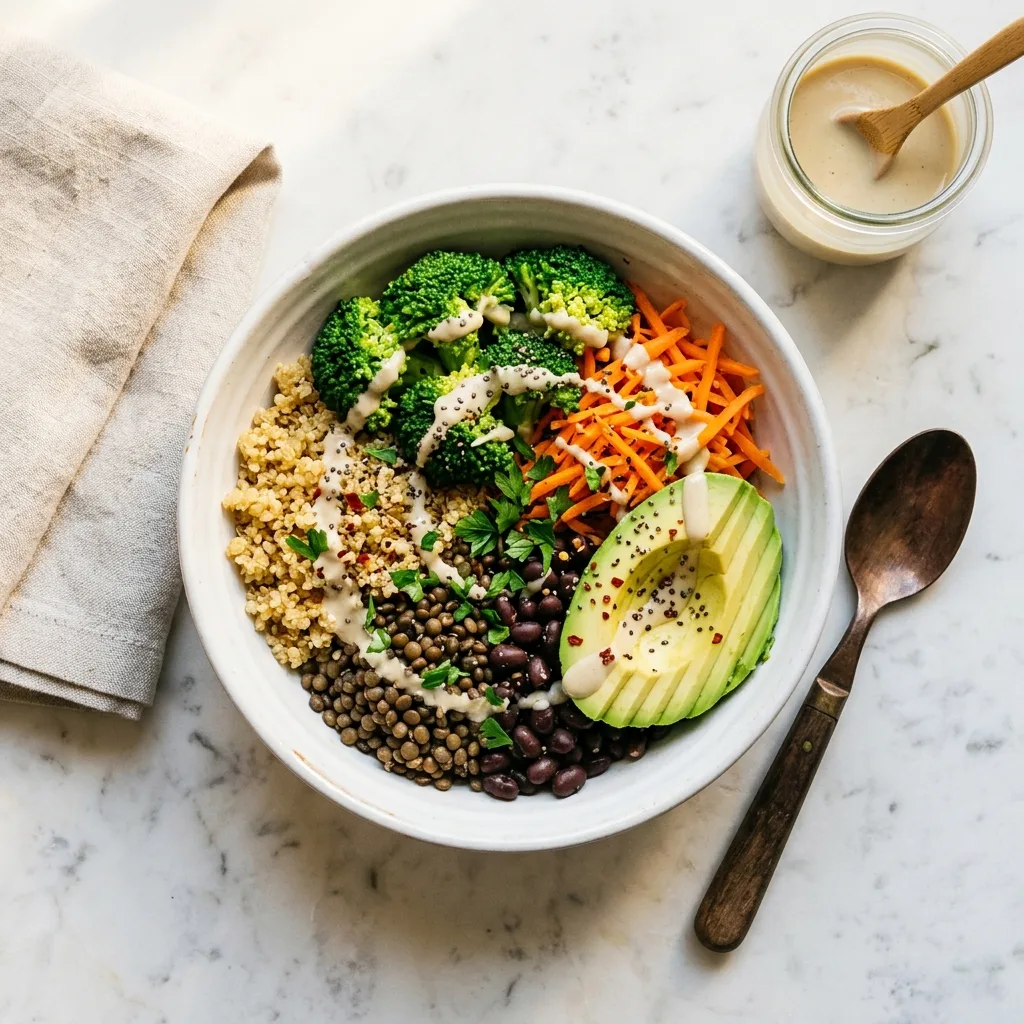
Fiber maxxing for weight loss is one of the most practical — and most underrated — wellness strategies making the rounds right now. Rather than restricting calories or cutting food groups, the idea is simple: crowd your plate with so much fiber-rich whole food that there’s little room left for anything that doesn’t serve your body. This article breaks down what fiber maxxing actually means, why it works, and how to make a fiber maxxing for weight loss recipe you can eat every single day. For more real-life wellness ideas, visit Pedro’s Wellness Recipes.
Why Fiber Maxxing for Weight Loss Is the Approach That Finally Makes Sense
Most diets ask you to subtract. Fiber maxxing asks you to add — and that shift in mindset makes all the difference for long-term consistency.
Dietary fiber is one of the few things you can eat more of and almost always benefit from. It slows digestion, stabilizes blood sugar, feeds beneficial gut bacteria, and — perhaps most importantly for weight management — keeps you genuinely full for longer stretches of time. When you’re not fighting hunger signals every hour, making better food choices throughout the day becomes dramatically easier.
The average American consumes only about 15 grams of fiber per day, well below the recommended 25–38 grams. According to the Academy of Nutrition and Dietetics, increasing daily fiber intake is one of the most evidence-backed dietary changes for supporting healthy weight over time.
What makes the fiber maxxing approach particularly well-suited to busy home cooks is that it doesn’t require calorie counting, macro tracking, or specialty ingredients. Instead, it leans on affordable, accessible whole foods — beans, vegetables, seeds, whole grains — stacked together in satisfying, flavorful combinations.
Furthermore, the satiety benefits compound. The more consistently you eat high-fiber meals, the more your gut microbiome adapts to support better appetite regulation. It’s a genuinely self-reinforcing habit.
How To Make a Fiber Maxxing for Weight Loss Recipe: The Full Bowl
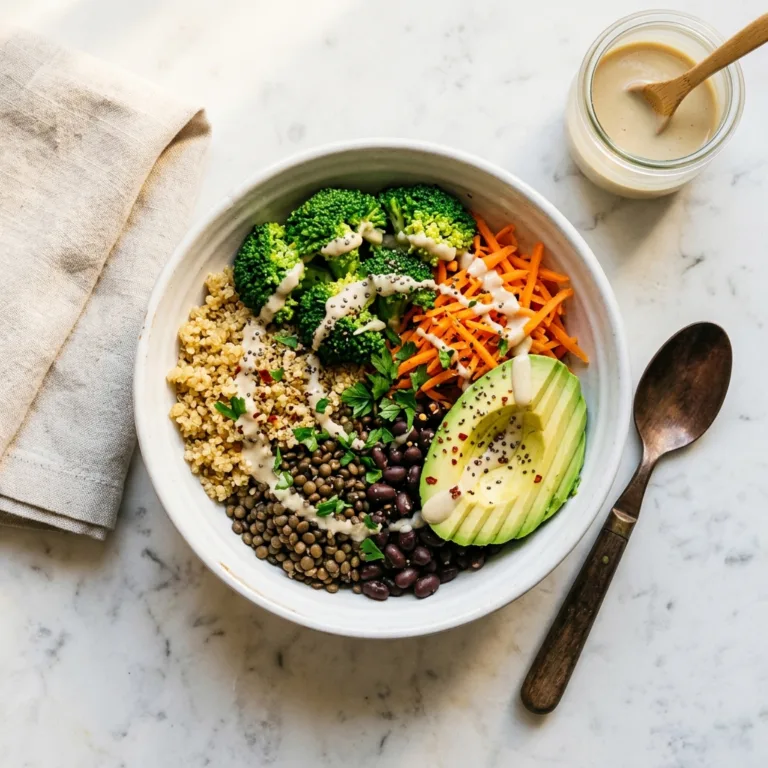
This high-fiber power bowl is built to maximize fiber content at a single meal — aiming for 15–20 grams per serving — while still being something you’ll genuinely look forward to eating. It comes together in about 20 minutes and works for lunch or dinner.
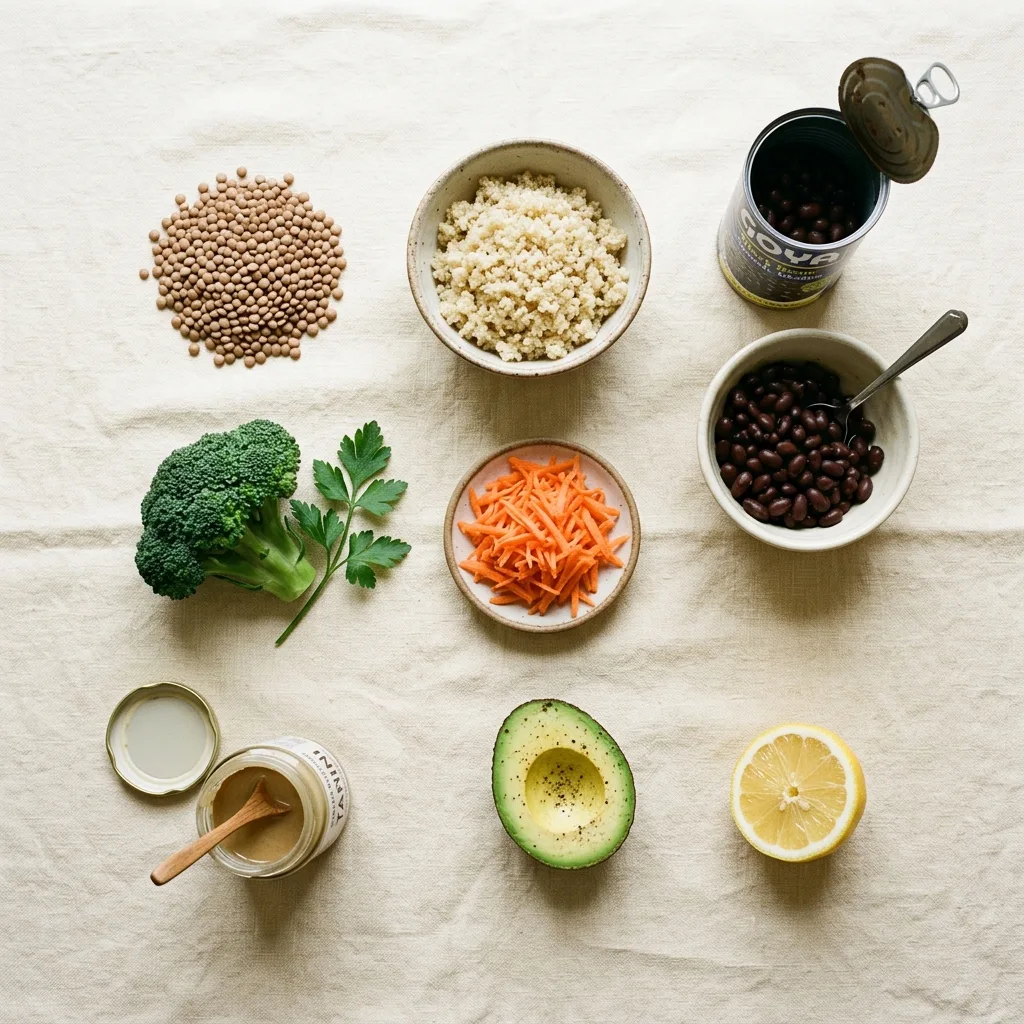
Ingredients
- ½ cup dry brown lentils (or 1 cup canned, drained and rinsed)
- ½ cup cooked quinoa or farro
- 1 cup canned black beans, drained and rinsed
- 1 cup raw broccoli florets, chopped small
- 1 medium carrot, shredded
- ½ avocado, sliced
- 2 tablespoons chia seeds
- 1 tablespoon tahini
- Juice of 1 fresh lemon
- 1 teaspoon olive oil
- ½ teaspoon ground cumin
- Salt and black pepper to taste
- Fresh parsley or cilantro, to garnish
Steps
- If using dry lentils, rinse them and cook in 1½ cups of water over medium heat for 18–20 minutes until just tender but not mushy. Drain and set aside. Skip this step if using canned.
- While the lentils cook, prepare the quinoa or farro according to package instructions and let it rest, covered, for 5 minutes off the heat.
- In a small bowl, whisk together the tahini, lemon juice, olive oil, ground cumin, and a pinch of salt to make a simple dressing. Add a splash of water to thin it if needed.
- Lightly steam or microwave the broccoli florets for 2–3 minutes until just bright green and tender-crisp. Drain and set aside.
- Assemble the bowl: start with the quinoa as the base, then layer the lentils, black beans, broccoli, and shredded carrot across the top.
- Add the sliced avocado, sprinkle chia seeds evenly over the bowl, drizzle with the tahini dressing, and garnish with fresh herbs. Serve immediately.
How to Store and Serve Your Fiber Maxxing Bowl
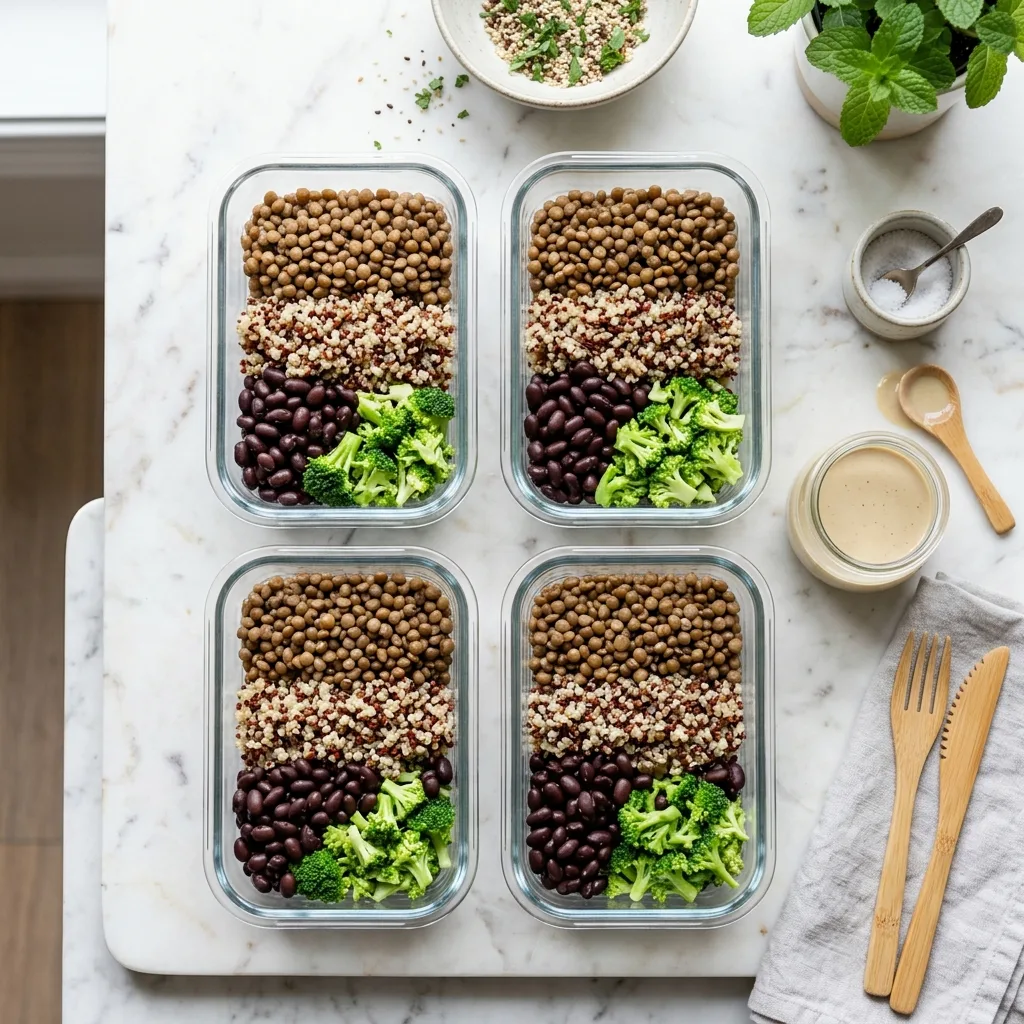
This bowl is genuinely one of the best meal-prep-friendly recipes you can add to your routine. Everything holds up well in the refrigerator, making it easy to batch-cook components ahead of time.
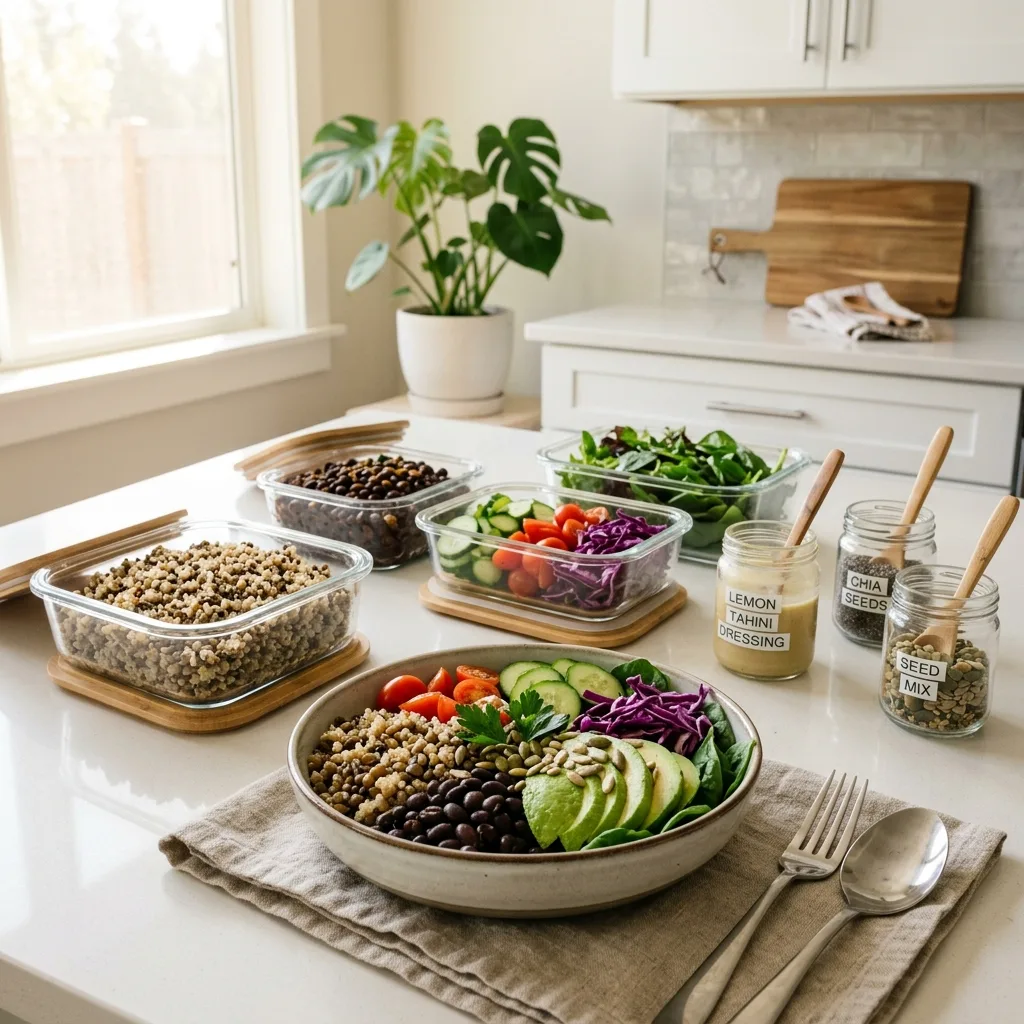
Store the components separately in airtight containers for best results. Assemble just before eating so the textures stay distinct and the avocado stays fresh. Here are the key storage and serving guidelines:
- Cooked lentils, quinoa, and black beans keep refrigerated for up to 4 days
- Store avocado separately with a squeeze of lemon juice to slow browning
- Keep the dressing in a small jar in the fridge for up to 5 days; shake before using
- Serve at room temperature or gently warmed — both versions work well
- Add chia seeds just before serving to preserve their texture
Expert Tips for Getting the Most From Fiber Maxxing for Weight Loss
Expert Tips
- Increase fiber gradually. If your current diet is relatively low in fiber, jumping straight to 35+ grams per day can cause bloating and discomfort. Build up over 2–3 weeks to let your gut microbiome adjust comfortably.
- Drink more water. Fiber needs water to move through your digestive system effectively. Aim for at least 8 cups of water per day when increasing fiber intake — this is non-negotiable for comfort and results.
- Layer your fiber sources. The most effective fiber maxxing for weight loss recipe approach combines both soluble fiber (oats, beans, chia) and insoluble fiber (broccoli, carrots, whole grains) for maximum satiety and gut health benefits.
- Don’t fear the volume. High-fiber meals are naturally large and filling. That volume is actually the point — it stretches the stomach, triggers fullness hormones, and reduces overall calorie intake without deprivation.
- According to the CDC’s Healthy Weight resource, eating a diet rich in vegetables, fruits, and whole grains — all naturally high in fiber — is among the most effective long-term strategies for maintaining a healthy weight.
Recipe Variations Worth Trying
Variations
- Warm Roasted Vegetable Version: Swap raw broccoli and carrots for roasted sweet potato, cauliflower, and Brussels sprouts for a heartier, oven-roasted fiber bowl that’s especially satisfying in cooler months.
- Mediterranean Twist: Replace the cumin-tahini dressing with a lemon-herb vinaigrette, add sliced cucumber, cherry tomatoes, and a handful of baby spinach for a lighter, brighter take on the same high-fiber base.
- Spicy Southwest Bowl: Add roasted corn, diced jalapeño, fresh salsa, and a lime-cilantro dressing over the lentil-black bean base for a bold, crowd-pleasing variation that still delivers the full fiber maxxing benefit.
- Breakfast Fiber Bowl: Use rolled oats as the base instead of quinoa, top with chia seeds, sliced banana, fresh berries, and a drizzle of almond butter for a morning version that starts your day with 12–15 grams of fiber before 9am.
Fiber Content at a Glance
| Ingredient | Approx. Fiber per Serving |
|---|---|
| Brown lentils (½ cup cooked) | 8g |
| Black beans (½ cup) | 7.5g |
| Chia seeds (2 tbsp) | 7g |
| Broccoli (1 cup) | 2.4g |
| Quinoa (½ cup cooked) | 2.6g |
| Avocado (½ medium) | 4.6g |
Frequently Asked Questions
What exactly is fiber maxxing for weight loss?
Fiber maxxing is the practice of intentionally prioritizing high-fiber whole foods at every meal to maximize your daily fiber intake — typically aiming for 30–50 grams per day. The goal isn’t restriction; it’s about filling your plate so thoroughly with fiber-rich foods that appetite naturally decreases, blood sugar stays stable, and overall calorie intake drops without conscious effort. It’s one of the most sustainable weight management approaches available because it’s entirely food-based.
How much fiber should I aim for when fiber maxxing?
The standard recommendation is 25 grams per day for women and 38 grams per day for men, according to dietary guidelines. Fiber maxxing pushes toward the upper end of that range and sometimes beyond — around 40–50 grams — depending on individual tolerance. The key is to increase gradually rather than jumping from 15 to 45 grams overnight, which can cause significant digestive discomfort.
Can I use this fiber maxxing for weight loss recipe for meal prep?
Absolutely — this bowl is one of the best meal-prep-friendly recipes out there. Cook the lentils, quinoa, and black beans in bulk at the start of the week and store them separately in the fridge. Then assemble individual bowls fresh each day in under 5 minutes. The only component to add just before eating is the avocado and chia seeds, so everything else stays ready to go.
Is fiber maxxing safe for people with digestive sensitivities?
For most people, yes — but with some important caveats. If you have IBS, Crohn’s disease, or another diagnosed digestive condition, high-fiber diets may need to be tailored to your specific tolerances, particularly around insoluble fiber sources like raw cruciferous vegetables. It’s always worth speaking with your healthcare provider or a registered dietitian before significantly increasing fiber intake if you have an existing gut condition.
Wrapping It Up
Fiber maxxing for weight loss isn’t a fad — it’s a back-to-basics approach that works because it aligns with how your body actually functions. When you consistently eat fiber-dense, whole-food meals like this power bowl, you’re not just managing hunger for one meal. You’re gradually reshaping your appetite, improving your gut microbiome, and building a way of eating that’s genuinely sustainable for the long term.
Whether you follow this fiber maxxing for weight loss recipe exactly or start mixing and matching from the variations, the most important thing is that you start. One high-fiber bowl a day is a meaningful shift — and it adds up faster than you’d think.
Ready to explore more whole-food, wellness-forward recipes? Head over to Pedro’s full recipe collection for ideas that fit real life, real schedules, and real budgets.
Fiber Maxxing for Weight Loss
A high-fiber, nutrient-dense power bowl designed to keep you full longer, support digestion, and make weight loss feel effortless with whole foods.
Ingredients
- ½ cup dry brown lentils (or 1 cup canned, drained and rinsed)
- ½ cup cooked quinoa or farro
- 1 cup canned black beans, drained and rinsed
- 1 cup raw broccoli florets, chopped small
- 1 medium carrot, shredded
- ½ avocado, sliced
- 2 tablespoons chia seeds
- 1 tablespoon tahini
- Juice of 1 fresh lemon
- 1 teaspoon olive oil
- ½ teaspoon ground cumin
- Salt and black pepper to taste
- Fresh parsley or cilantro for garnish
Instructions
- Rinse and cook lentils in 1½ cups water over medium heat for 18–20 minutes until tender, then drain.
- Prepare quinoa or farro according to package instructions and let rest for 5 minutes.
- Whisk tahini, lemon juice, olive oil, cumin, and salt in a small bowl to make dressing.
- Lightly steam broccoli for 2–3 minutes until tender-crisp.
- Assemble bowl with quinoa base, then add lentils, black beans, broccoli, and carrot.
- Top with avocado slices and sprinkle chia seeds evenly.
- Drizzle with dressing and garnish with fresh herbs.
- Serve immediately.
Notes
Increase fiber gradually and drink plenty of water to support digestion. Great for meal prep—store components separately and assemble fresh.