
Prime Rib
Prime rib is the ultimate indulgence for many meat lovers, often gracing tables during special occasions and hearty family dinners. Its rich, juicy texture and mouth-watering aroma make it a star centerpiece, while the perfectly seared crust adds a delightful contrast to the tender meat inside. Imagine carving into a beautiful roast, and the savory flavor envelops your senses, making every bite an experience to remember.
Why you’ll love this dish
There are countless reasons to serve prime rib at home. It’s a luxurious yet approachable meal that can transform an ordinary dinner into something extraordinary. Prime rib is not only delicious but also highly adaptable—perfect for gatherings, holiday feasts, or a cozy Sunday dinner. The leftovers are a tasty bonus, making for great sandwiches or additions to salads.
“I made this for my family, and they couldn’t stop raving about it. The flavor was amazing—definitely a crowd-pleaser!”
How this recipe comes together
Making prime rib involves a few essential steps but is far simpler than it might seem. Start by seasoning your roast generously, then roast it slowly at a low temperature to achieve that perfect medium-rare finish. Letting it rest after cooking is crucial to keeping all those juices locked in, ensuring each slice is tender and moist.
Key ingredients
The star ingredient here is, of course, the prime rib. Choose a well-marbled cut for the best flavor and tenderness; this ensures a juicy and succulent result. Fresh herbs, like rosemary or thyme, enhance the meat’s natural flavors beautifully. You can easily swap out traditional herb blends for something more unique, tailoring the profile to your taste.
Directions explained
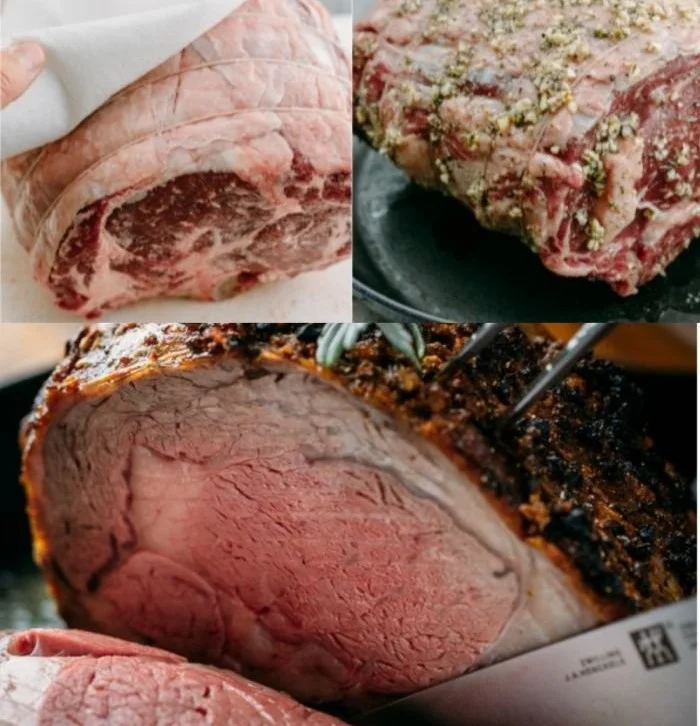
To get started, preheat your oven to the required temperature. Season your prime rib generously, ensuring to rub those spices and herbs into every crevice. Place the roast in the oven and allow it to cook low and slow—this method ensures even cooking. Keep an eye on the internal temperature, pulling it from the oven at the desired doneness level. Finally, don’t forget the all-important resting time—this is where the magic happens, allowing juices to redistribute throughout the meat for maximum flavor.
Best ways to enjoy it
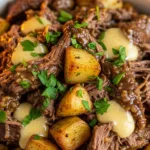
Serving prime rib can be an art form in itself. Slice it into thick, juicy pieces and arrange them on a warm platter. Consider garnishing with fresh herbs or serving alongside creamy horseradish sauce for an extra kick. Roasted vegetables or buttery mashed potatoes make fantastic accompaniments, perfect for soaking up all those rich juices. Whether for a festive occasion or a special weeknight, prime rib is sure to impress.
Keeping leftovers fresh
Storing leftover prime rib is straightforward. Allow it to cool down before wrapping it tightly in foil or plastic wrap to lock in moisture. Refrigerate and consume within 3 to 4 days for the best quality. If you want to store it longer, consider slicing the meat and freezing it. Properly sealed, it can last for up to six months in the freezer. Just remember to thaw in the fridge before reheating.
Helpful cooking tips
Cooking prime rib can be a breeze with a few expert tips. Always use a meat thermometer to check for doneness—aim for an internal temperature of around 130°F for medium-rare. Allow the roast to rest for at least 20 minutes before carving; this ensures everyone enjoys juicy, flavorful slices. Avoid overcrowding your roasting pan, which can lead to uneven cooking. Lastly, don’t be afraid to experiment with seasoning; this roast can handle bold flavors!
Creative twists
While traditional prime rib is delicious on its own, there are ways to get creative. For instance, try marinating the roast overnight in a herb-infused oil for extra depth of flavor. You could even experiment with spices from different cuisines. If you’re looking for a different texture, consider slow-cooking for a more tender bite, allowing those flavors to meld beautifully over time.
Common questions
What’s the best cut for prime rib?
The best cut is typically a well-marbled rib roast, which includes the ribeye. Look for a cut with plenty of fat for optimal flavor.
Can I cook prime rib in advance?
Yes! You can cook it a day early and reheat it gently in the oven just before serving.
How do I reheat prime rib without drying it out?
Wrap it in foil to keep moisture in and reheat it slowly in a low oven until warmed through.
Is there a way to scale the recipe for a larger group?
Absolutely! Just adjust the size of the roast and increase seasonings proportionally based on weight.
Can I use a different cooking method?
Certainly! Prime rib can be cooked using a slow cooker or on the grill; just adjust the temperature and timing accordingly.
Prime Rib
Prime rib is a luxurious and flavorful centerpiece for special occasions and family dinners, known for its rich, juicy texture and perfectly seared crust.
- Prep Time: 15 minutes
- Cook Time: 120 minutes
- Total Time: 135 minutes
- Yield: 6 servings
- Category: Main Course
- Method: Roasting
- Cuisine: American
- Diet: None
Ingredients
- 1 well-marbled prime rib roast
- Fresh herbs (rosemary, thyme)
- Salt and pepper
- Garlic (optional)
- Vegetable oil
Instructions
- Preheat your oven to the required temperature.
- Season your prime rib generously with salt, pepper, and herbs.
- Rub those spices and herbs into every crevice.
- Place the roast in the oven and cook low and slow.
- Check the internal temperature, aiming for 130°F for medium-rare.
- Let the roast rest for at least 20 minutes before carving.
Notes
Serve with creamy horseradish sauce and roasted vegetables for an excellent meal. Store leftovers in the fridge for up to 3-4 days.