
When I first started comparing gelatin and collagen for weight loss, I assumed they were basically the same thing. After all, they come from similar sources and are often recommended for similar benefits.
But the more I looked into it, the more I realized there are important differences in how they’re used, how they affect satiety, and how they fit into a daily routine. That’s where the real confusion usually starts for most people.
In this article, I’ll break down the key differences between gelatin and collagen, how each one supports weight management, and which option actually makes more sense depending on your goals.
Gelatin vs collagen for weight loss is a comparison more home cooks should be having — and yet most wellness content treats these two ingredients as if they’re completely interchangeable. They’re not. When I started researching the Dr Gupta gelatin recipe and found myself deep in a rabbit hole of supplement reviews and nutrition research, I realized there was a real gap between what most people think they know about gelatin vs collagen for weight loss and what the science actually says.
Here’s the short version: both gelatin and collagen powder come from the same source material — animal connective tissue, typically from bovine or fish sources. They share a nearly identical amino acid profile. But the way they’re processed creates genuinely different practical properties, different use cases, and different value propositions for anyone managing their weight. Understanding those differences helps you decide which one belongs in your kitchen — and whether the gupta gelatin recipe is actually the better choice for your specific goals.
For context on the recipe side of this equation, our full Gelatin Side Effects You Should Know Before Trying Dr Gupta’s Recipe guide walks through exactly how to prepare it from scratch.
Why This Comparison Actually Matters for Your Weight Loss Routine
This isn’t just an academic question. The choice between gelatin and collagen supplements has real, practical implications for your grocery budget, your daily routine, and ultimately how consistently you stick with your wellness habits.
The Core Difference — Gelling vs. Dissolving
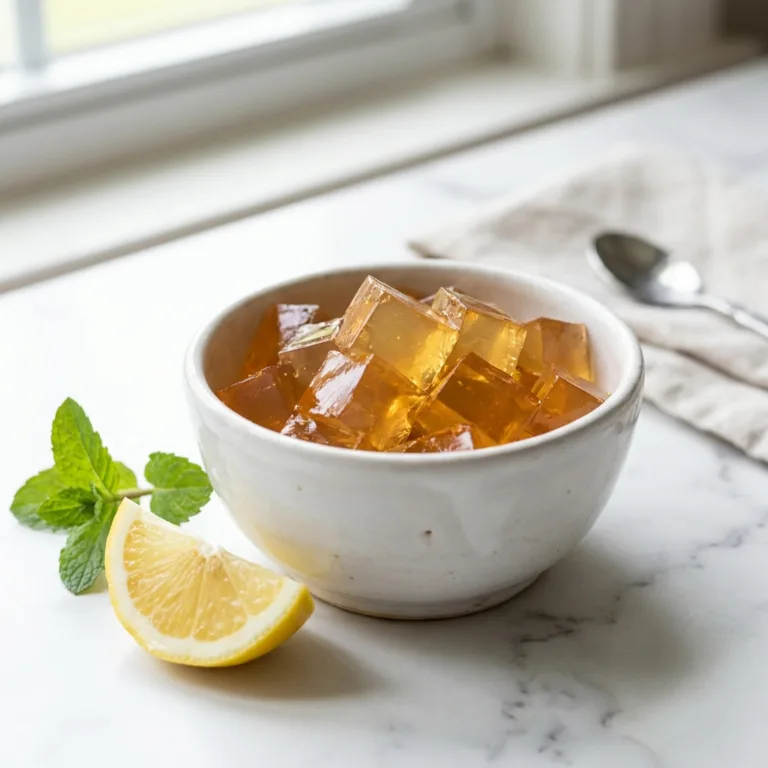
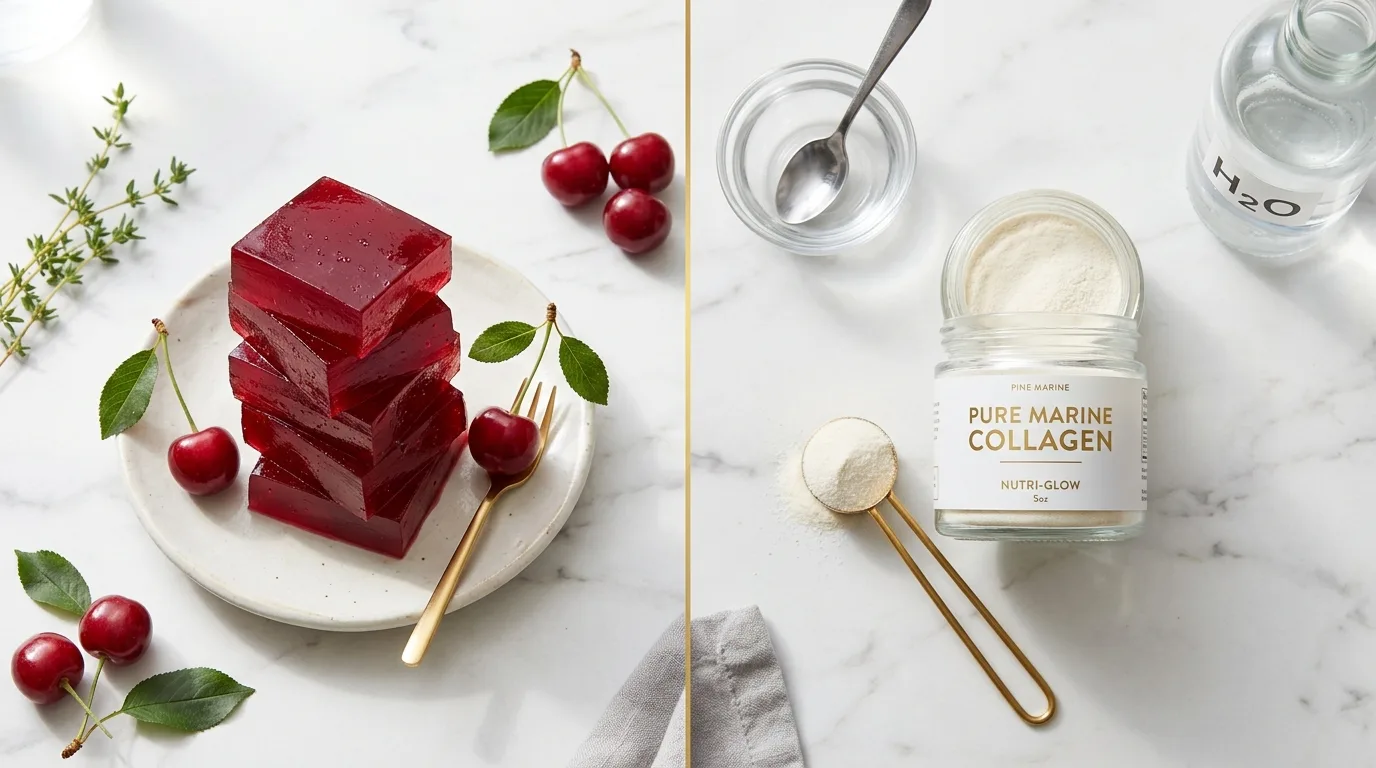
Unflavored gelatin retains its gelling properties because it’s a partially hydrolyzed form of collagen — meaning it’s been cooked and processed enough to extract the protein, but the protein chains are still long enough to form a gel network when cooled. That’s why the Dr. Gupta gelatin recipe for weight loss works the way it does: you dissolve it in warm juice, chill it, and end up with a solid, satisfying snack.
Collagen powder (sold as collagen peptides or hydrolyzed collagen) goes through additional enzymatic processing that breaks those long protein chains into much shorter fragments. The result is a powder that dissolves completely in both hot and cold liquids without ever gelling. Convenient for adding to coffee or smoothies — but completely useless as a replacement for gelatin in any recipe that calls for a solid set.
Satiety — Where Gelatin Has a Meaningful Edge
Here’s where the gelatin vs collagen for weight loss comparison gets genuinely interesting. Multiple studies have shown that eating a high-volume, low-calorie food — something you chew, that takes up physical space in your stomach — produces stronger satiety signals than drinking the same amount of protein in liquid form. Gelatin squares are solid. They require chewing. They take time to consume. Collagen powder stirred into a morning coffee is gone in two sips.
Research published in the journal Appetite has shown that solid foods consistently produce stronger satiety responses than liquid foods of equivalent calorie content. That physical, textural experience of eating real food isn’t trivial — it’s one of the underappreciated reasons why the Dr Gupta gelatin recipe has earned its reputation as an effective appetite management tool.
Cost — Gelatin Wins Decisively
A box of plain unflavored gelatin (like Knox, 32 packets) typically costs around $4–6 at most US grocery stores. A single serving costs roughly 15–18 cents. Premium collagen peptide supplements, by contrast, typically run $30–60 per container, with per-serving costs of $1–3 or more. If your goal is to use protein strategically to manage appetite and support weight loss as a long-term habit, gelatin is one of the most cost-effective options available anywhere.
Related Recipes
These related wellness recipes from the blog make a great pairing with the gelatin vs collagen discussion:
- Gelatin for Weight Loss Benefits — What the Science Actually Says
- Jillian Michaels Gelatin Hack — Simple Fitness-Inspired Wellness Snack
How to Prepare the Dr Gupta Gelatin Recipe Step by Step at Home
Now that you understand why gelatin earns its place in this comparison, here’s exactly how to make it. I’ve tested this recipe multiple times and dialed in the ratios that produce the best texture and flavor.
Ingredients
- 1 packet (7g) plain, unflavored gelatin powder (Knox or equivalent)
- 2 cups 100% fruit juice — tart cherry, pomegranate, orange, or grape work beautifully
- ½ cup cold filtered water (for blooming)
- 1 teaspoon raw honey or pure maple syrup (optional, to taste)
- Optional: fresh fruit pieces, fresh mint, a squeeze of lemon juice
Equipment
- Small saucepan
- Whisk
- Glass baking dish or silicone mold
- Refrigerator
Step 1 — Bloom the Gelatin in Cold Water
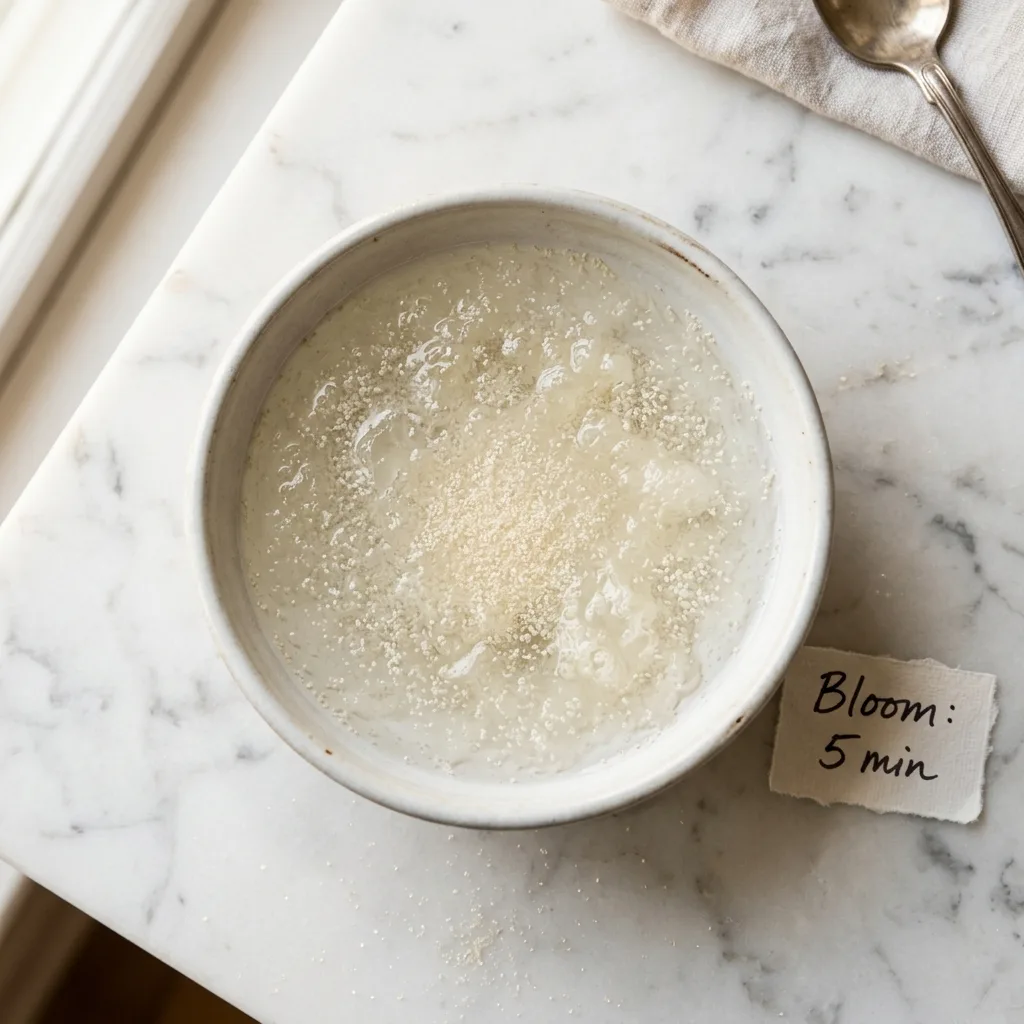
Sprinkle the gelatin powder evenly over the cold water in a small saucepan or bowl. Don’t stir — just let it sit completely undisturbed for 5 full minutes. You’ll see the granules swell and absorb the water, transforming from loose powder into a thick, spongy mass. This blooming step is the most important technique in the entire recipe. Without it, you’ll end up with clumpy, unevenly dissolved gelatin that affects both texture and digestion. After testing this recipe more times than I can count, I can tell you that a proper bloom makes a visible, meaningful difference in the final product every single time.
Step 2 — Dissolve in Warm Juice and Add Flavor
Heat your fruit juice in the saucepan over medium-low heat until steaming and hot — around 140–160°F — but well below a boil. Add the bloomed gelatin and whisk steadily for about 90 seconds until the mixture is completely smooth and clear with no visible granules remaining. Stir in your honey or maple syrup at this stage if you’re using it. Taste the mixture and adjust sweetness as needed. If you’re adding fruit pieces, scatter them into your prepared mold before pouring. My secret trick at this stage is a squeeze of fresh lemon — it brightens the whole drink and adds a subtle tartness that makes the finished squares genuinely craveable.
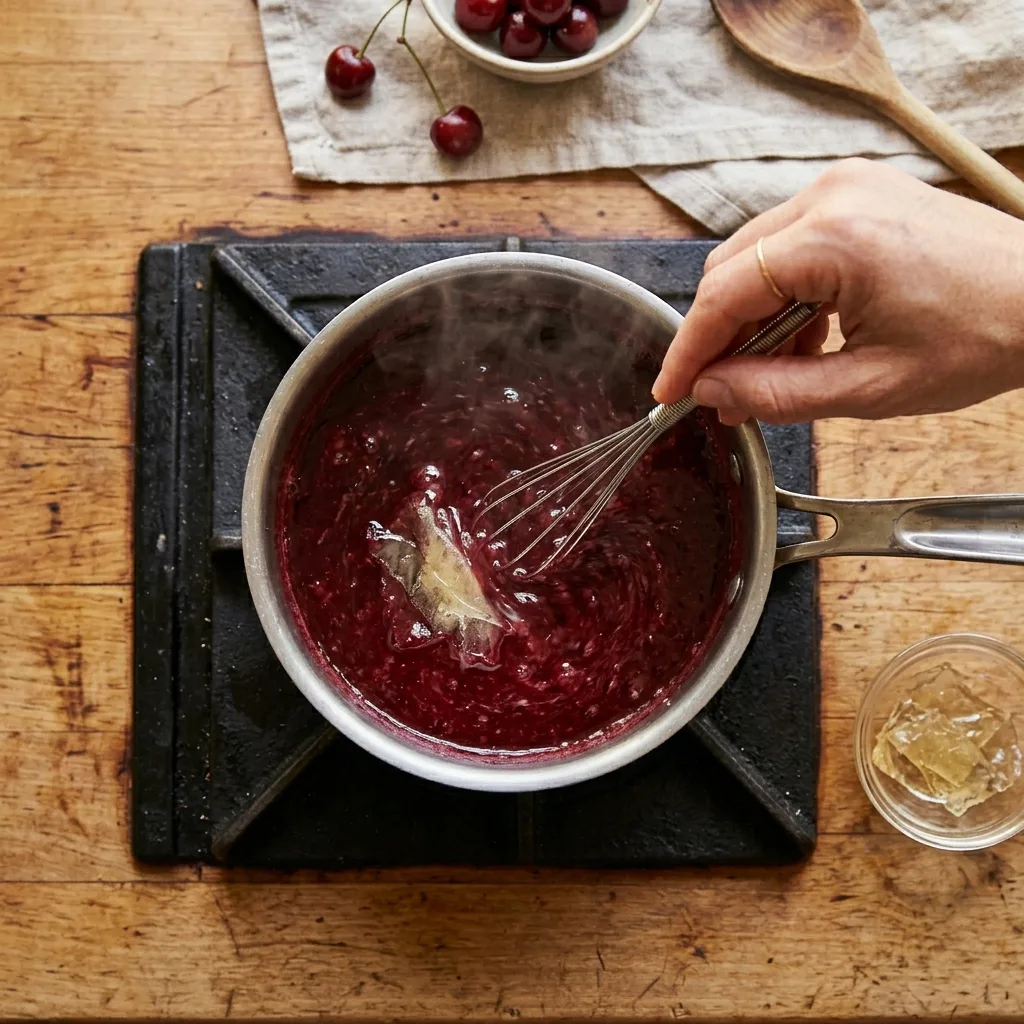
Step 3 — Pour, Set, and Serve
Pour the warm gelatin mixture into a lightly greased glass baking dish or silicone mold. Allow it to sit at room temperature for 10 minutes to release excess steam, then transfer to the refrigerator. Chill for at least 2 hours — though 4–6 hours gives you a noticeably firmer, cleaner-cutting result. Once fully set, cut into even squares with a sharp knife or pop individual molds directly onto a plate. Serve chilled. These store beautifully in the fridge for up to 5 days, making them ideal for meal prep.
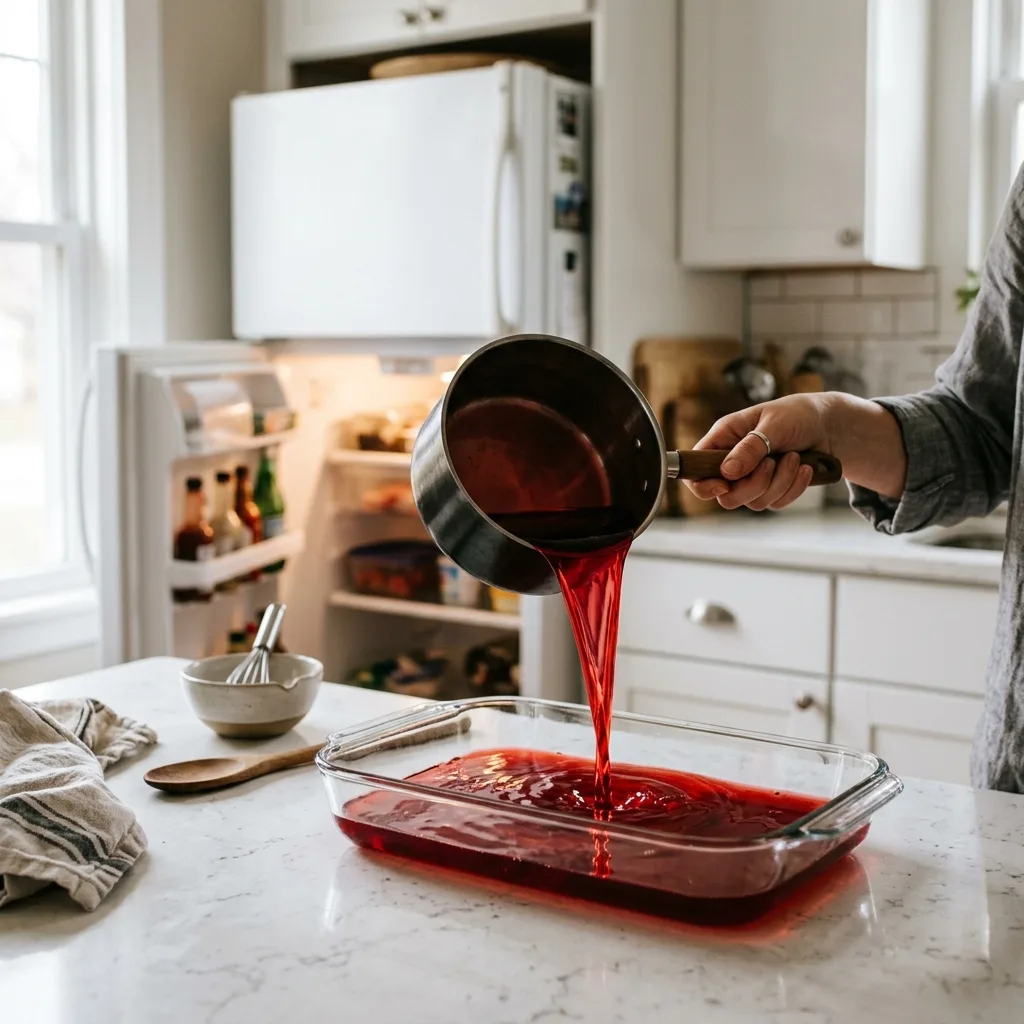
How to Store and Serve the Dr Gupta Gelatin Recipe
Serving ideas:
- Enjoy 1–2 squares as a mid-morning or mid-afternoon snack to manage appetite between meals.
- Top with plain Greek yogurt and a drizzle of honey for a more complete, protein-rich snack.
- Serve alongside fresh fruit for a light, colorful, low-calorie dessert.
- For a savory variation in cooler months, use a low-sodium vegetable broth base instead of fruit juice.
Storage guidelines:
- Store covered in the refrigerator for up to 5 days in an airtight container or covered glass dish.
- Never leave at room temperature for more than 2 hours — gelatin softens and eventually liquefies.
- Do not freeze: freezing permanently disrupts the protein matrix, resulting in a watery, grainy texture after thawing.
- Individual portions stored in sealed mason jars make excellent grab-and-go desk snacks throughout the week.
Expert Tips for Getting the Best Results
After extensive testing and research, here are the most impactful things I’ve learned:
- Bloom fully — every single time. Even experienced cooks skip this when they’re in a hurry. A rushed or incomplete bloom is the leading cause of clumpy, unevenly set gelatin. Five minutes in cold water is non-negotiable.
- Never boil the juice. Temperatures above 175°F (80°C) can degrade the protein structure and reduce the gelatin’s ability to form a proper, firm gel. Hot and steaming is perfect; boiling is too much.
- Avoid fresh tropical fruits. Fresh pineapple, kiwi, papaya, mango, guava, and figs all contain proteolytic enzymes that actively break down gelatin proteins and completely prevent setting. Always use pasteurized canned or bottled juice from these fruits — never fresh.
- Start with one serving per day. Especially in the first week, one square daily is plenty to assess your body’s response. Starting with multiple servings can cause mild digestive discomfort in sensitive individuals.
- Pair with water. Gelatin is a concentrated protein. Staying well-hydrated alongside daily gelatin consumption supports smooth digestion and reduces the risk of any GI sluggishness.
- Add honey off the heat. Raw honey added to boiling liquid loses many of its natural enzymes and antioxidants. Remove the pan from heat and let it cool for 60 seconds before stirring in your sweetener.
Recipe Variations Worth Trying
The flexibility of the gupta gelatin recipe is one of its most underappreciated qualities. Here are some variations that change the flavor and nutritional profile without complicating the process:
- Tart Cherry Recovery Version: Use 100% tart cherry juice as your base. Rich in natural compounds that support muscle recovery and reduce exercise-related inflammation, this variation is genuinely excellent as a post-workout snack.
- Green Tea Antioxidant Squares: Replace the fruit juice with 2 cups of cooled, brewed green tea. Add raw honey and a squeeze of lemon for a delicate, elegant, very low-sugar option — my personal favorite for weekday mornings.
- Pomegranate Polyphenol Squares: Pomegranate juice produces a deep jewel-toned gelatin with a rich, slightly tart flavor and impressive antioxidant content.
- Coconut Water Base: Use coconut water as part or all of your liquid for a light, tropical flavor and natural electrolyte content — especially refreshing after exercise in warm weather.
- Herbal Chamomile Calming Squares: Brew a strong pot of chamomile tea, sweeten with honey, and use it as your liquid base for a soothing, bedtime-friendly gelatin with natural calming properties.
- Layered Citrus Squares: Make two batches in different juices, let the first layer partially set (about 45 minutes), then pour the second layer on top for a visually stunning two-toned effect that’s as impressive to serve as it is simple to make.
| Category | Plain Gelatin (Dr Gupta Recipe) | Collagen Peptide Supplements | Winner |
|---|---|---|---|
| Cost per serving | ~$0.15–0.18 (Knox packet) | ~$1.00–3.00 (premium brand) | ✅ Gelatin |
| Forms a solid snack | Yes — gels when cooled | No — dissolves without gelling | ✅ Gelatin |
| Satiety (fullness effect) | Higher — solid food, requires chewing | Lower — added to liquids | ✅ Gelatin |
| Protein per serving | 6–8g per 7g packet | 10–18g per scoop (varies) | ✅ Collagen (higher dose) |
| Versatility in recipes | Requires warm liquid; sets when cooled | Mixes into anything — hot or cold | ✅ Collagen (more flexible) |
| Amino acid profile | Identical — glycine, proline, hydroxyproline | Identical — same source material | 🤝 Tie |
| Availability | Any US grocery store | Health stores, online | ✅ Gelatin |
| Best use case | Solid snack, appetite management | Protein boost in drinks/recipes | Depends on goal |
FAQs
Also Try
If the gelatin vs collagen comparison got you thinking, these other wellness-focused recipes from the blog are worth adding to your rotation:
- 🍋 Brazilian Mounjaro Recipe for Weight Loss — Natural 5-Minute Detox Drink
- ⚠️ Dr Gupta Gelatin Recipe Side Effects — What You Should Know First
Conclusion
The gelatin vs collagen for weight loss question doesn’t have a single right answer — but it does have a smarter one for most home cooks. If your goal is a structured, satisfying, daily snack habit that costs almost nothing and genuinely reduces appetite, plain gelatin wins on practically every practical metric: cost, satiety, availability, and ease of preparation. Collagen powder supplements have their place — particularly for adding protein to beverages without any texture — but for the purposeful snack that makes the Dr Gupta gelatin recipe so effective, gelatin is the clear choice.
Ready to put the comparison into practice? Head over to our full Dr Gupta Gelatin Recipe for Weight Loss post and make your first batch this week. Drop a comment when you do — I’d genuinely love to hear which juice base you chose!
Sources
- Gelatin Nutritional Profile — USDA FoodData Central
- Solid vs. Liquid Food Satiety Research — Appetite Journal (Elsevier)
- Collagen Peptides and Body Composition — NCBI / PubMed
- Dietary Protein and Satiety Mechanisms — Nutrition & Metabolism, NCBI
- Glycine and Gut Lining Integrity — Frontiers in Immunology
- Protein’s Role in Weight Management — Harvard T.H. Chan School of Public Health
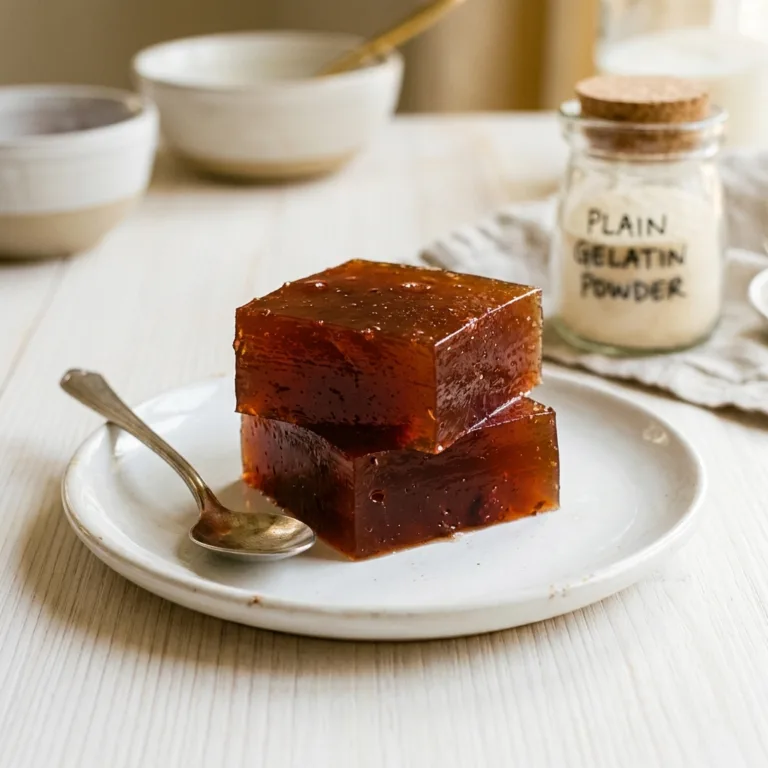
Gelatin vs Collagen for Weight Loss — Which One Actually Wins?
The Dr Gupta gelatin recipe, explained through the lens of the gelatin vs collagen for weight loss debate. Plain unflavored gelatin wins on cost, satiety, and practicality — and this simple recipe proves it. Made with 100% fruit juice and a touch of honey, it’s ready in 10 minutes of active prep.
Ingredients
- 1 packet (7g) plain unflavored gelatin powder (Knox or equivalent)
- 2 cups 100% fruit juice (tart cherry, pomegranate, orange, or grape)
- ½ cup cold filtered water (for blooming)
- 1 teaspoon raw honey or pure maple syrup (optional)
- Optional: fresh fruit pieces, fresh mint, squeeze of lemon juice
Instructions
- Sprinkle gelatin powder evenly over cold water. Do not stir. Let bloom undisturbed for a full 5 minutes until thickened and spongy.
- Heat fruit juice over medium-low heat until steaming but not boiling (140–160°F). Add bloomed gelatin and whisk for 90 seconds until completely dissolved. Stir in honey if using. Add any fresh fruit to the mold at this stage.
- Pour mixture into a lightly greased glass dish or silicone mold. Cool at room temperature for 10 minutes, then refrigerate for 2–6 hours until fully set. Cut into squares and serve chilled. Start with 1–2 squares per day.
Notes
Plain gelatin is not interchangeable with collagen powder in this recipe — collagen will not gel. Always use 100% fruit juice and avoid fresh pineapple, kiwi, papaya, or mango (use pasteurized juice instead). Store up to 5 days in the refrigerator. Do not freeze.