
When I first looked into Dr Gupta’s gelatin recipe for weight loss, I was mostly focused on the benefits. Like many people, it’s easy to get drawn into the positive results without thinking much about potential downsides.
But after researching more and paying attention to how different bodies react, I realized that even simple ingredients like gelatin can have side effects if not used properly or in the right context.
In this article, I’ll go over the possible side effects you should be aware of, who might need to be cautious, and how to use gelatin more safely as part of a balanced approach to weight management.
Gelatin side effects are something most wellness blogs skip right over — and that’s exactly why I wanted to write this piece. When Dr Gupta’s gelatin recipe started making the rounds on health forums and social media, the conversation was almost entirely focused on benefits: high protein, low calories, better satiety, improved gut health. All of that is genuinely true. But as someone who believes in giving home cooks the full picture, I felt it was important to talk honestly about what can go wrong too.
I first tried the Dr Gupta gelatin recipe on a slow Wednesday morning, mixing up a batch with tart cherry juice after reading about it in three separate wellness threads. The drink was simple and actually kind of pleasant. But I also noticed that a teaspoon of unflavored gelatin stirred into cold liquid felt quite different from a chilled, properly set gelatin square — and I wanted to make sure I understood exactly what I was putting into my body before recommending it to anyone else.
The good news is that gelatin side effects are generally mild and avoidable with a bit of attention. The even better news is that for most healthy adults, the Dr Gupta gelatin recipe is safe, straightforward, and worth trying. But there are some important nuances — especially for people with specific health conditions or dietary needs — that deserve a proper discussion.
If you’re new to gelatin-based wellness recipes, our full Dr Gupta Gelatin Recipe for Weight Loss guide is a great place to start before diving into this article.
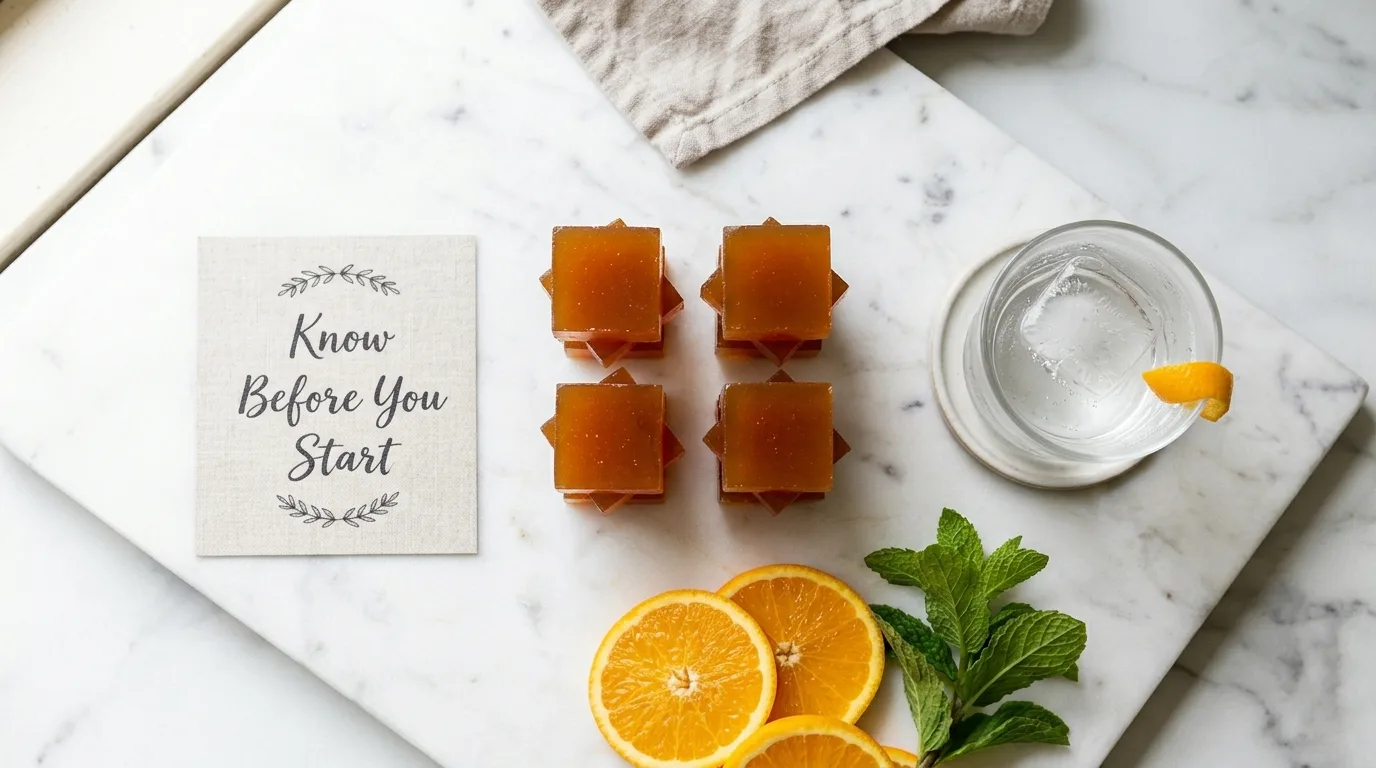
What You Should Really Know About Gelatin Before You Start
Before we get into the potential downsides, it’s worth setting up why this recipe became popular in the first place — because understanding the benefits helps you make sense of the risks too.
Why the Dr Gupta Gelatin Recipe Has Real Appeal
Plain, unflavored gelatin is derived from collagen, the most abundant protein in the body. When processed and consumed, it provides a concentrated source of glycine, proline, and hydroxyproline — amino acids that support gut lining integrity, joint health, and skin elasticity. Paired with 100% fruit juice and a touch of natural sweetener, the gupta gelatin recipe delivers meaningful protein (roughly 6–8 grams per serving) for very few calories.
The satiety effect is genuine. Protein slows gastric emptying, reduces the hunger hormone ghrelin, and helps you feel full longer — which is why so many people find this snack genuinely useful for managing appetite between meals.
But Here’s What the Hype Often Leaves Out
Gelatin is not a magic solution, and like any concentrated food supplement, it comes with considerations. The amino acid profile in gelatin is incomplete — it lacks tryptophan entirely and is low in several other essential amino acids, meaning it shouldn’t be your only protein source. And while side effects are generally uncommon, they do occur in certain situations.
Related Recipes
Before we go deeper into the side effects discussion, here are some closely related wellness recipes from the blog worth exploring:
- Gelatin for Weight Loss Benefits — What the Science Actually Says
- Jillian Michaels Gelatin Hack — Simple Wellness Trick for Home Cooks
How to Prepare Dr Gupta’s Gelatin Recipe to Minimize Side Effects
One of the most important — and underappreciated — ways to avoid gelatin side effects is simply preparing the recipe correctly. Many of the digestive complaints people report come not from gelatin itself, but from consuming it improperly. Here’s the method I’ve tested and refined to minimize any discomfort.
Ingredients
- 1 packet (7g) plain, unflavored gelatin powder (Knox or equivalent)
- 2 cups 100% fruit juice (tart cherry, orange, pomegranate, or grape)
- ½ cup cold filtered water (for blooming)
- 1 teaspoon raw honey or pure maple syrup (optional)
- Optional add-ins: fresh mint, lemon juice, fresh fruit pieces
Equipment
- Small saucepan
- Whisk
- Glass baking dish or silicone mold
- Refrigerator
Step 1 — Bloom the Gelatin in Cold Water First
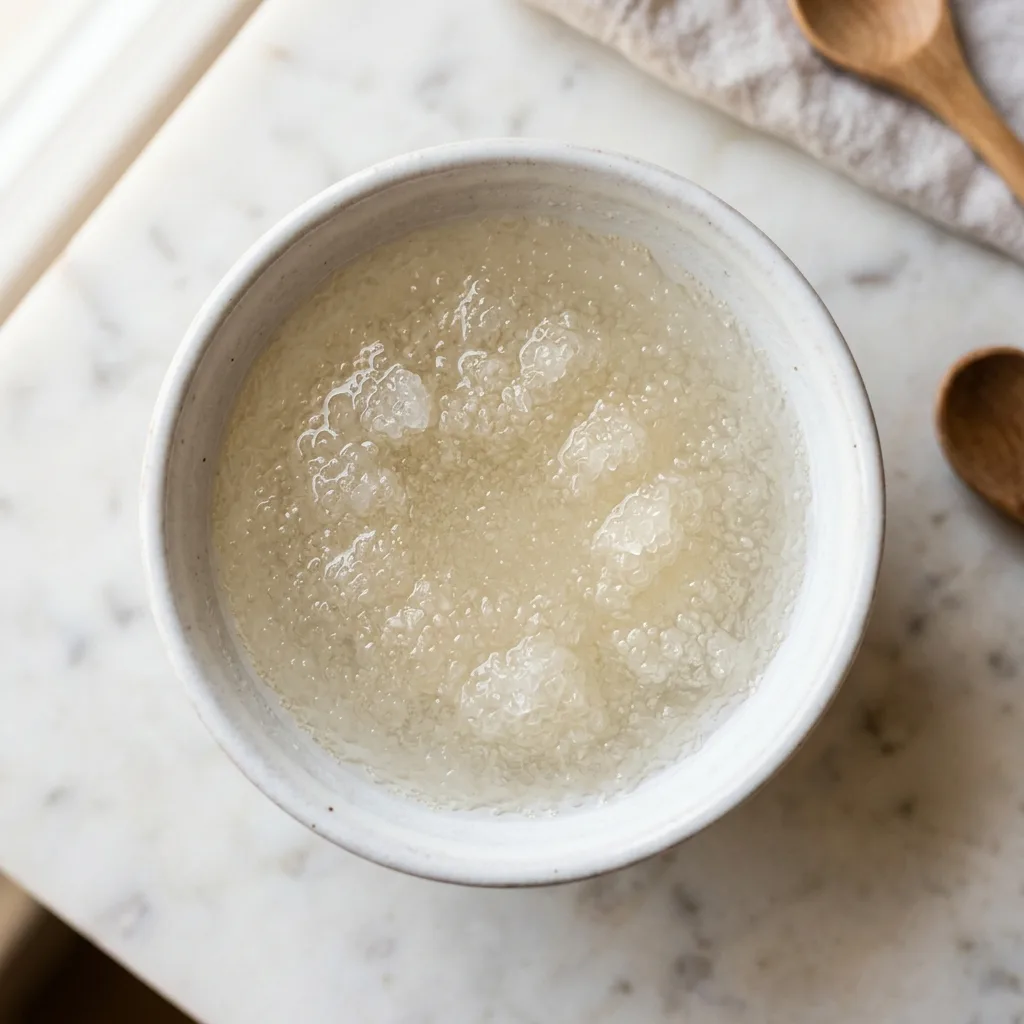
Pour the cold water into a small bowl or saucepan and sprinkle gelatin evenly over the surface. Leave it completely undisturbed for 5 minutes — no stirring, no rushing. The granules need time to fully absorb the water and swell. Skipping or shortening this step is one of the most common causes of undissolved gelatin clumps, which can irritate the digestive tract and cause the mild bloating some people report. A proper bloom is your first line of defense against unnecessary discomfort.
Step 2 — Heat Gently and Dissolve Completely
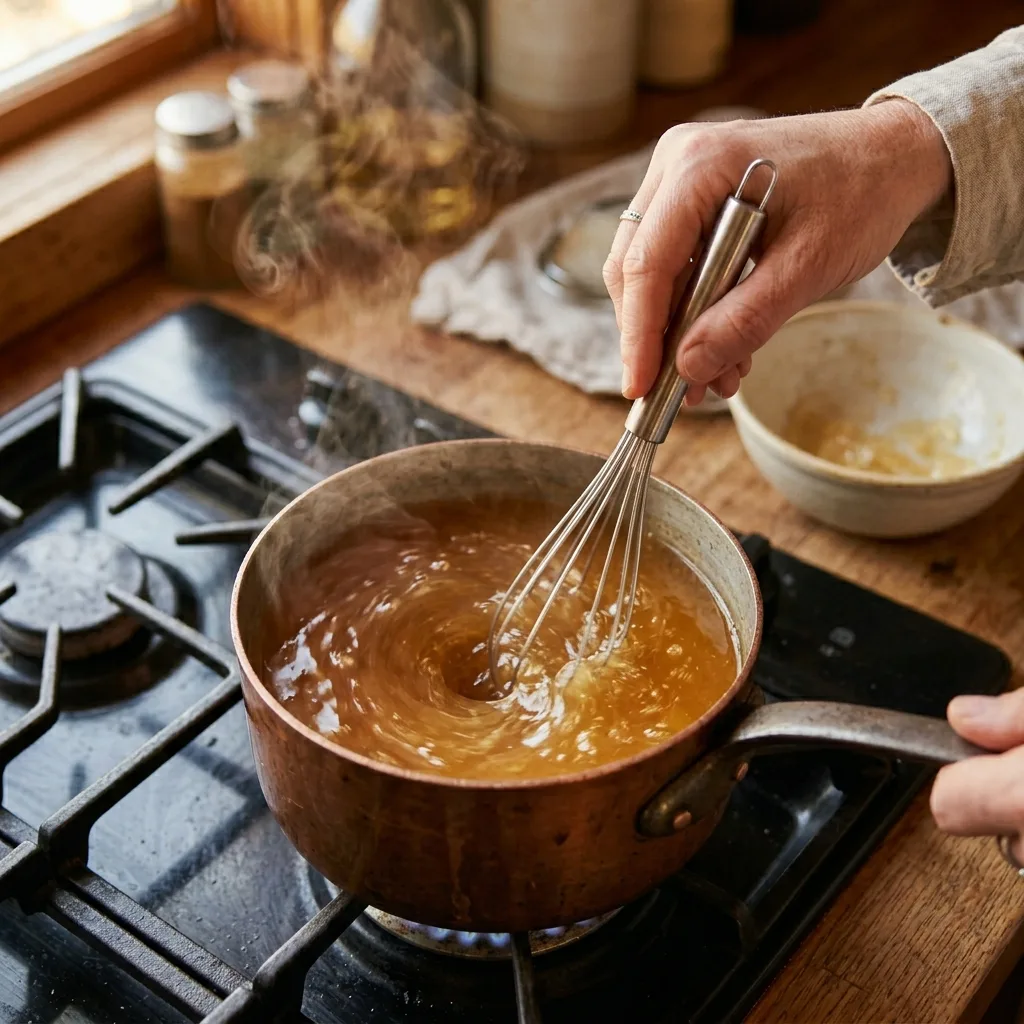
Warm your fruit juice in a saucepan over medium-low heat until it’s steaming but not boiling — aim for 140–160°F. Add the bloomed gelatin and whisk steadily for about 90 seconds until the mixture is completely smooth with no visible granules. Undissolved gelatin passing through the digestive system without fully breaking down is a common cause of the mild GI discomfort that some people experience. Complete dissolution matters. Add honey or maple syrup at this stage if desired, then remove from heat.
Step 3 — Chill Fully and Start With a Small Serving
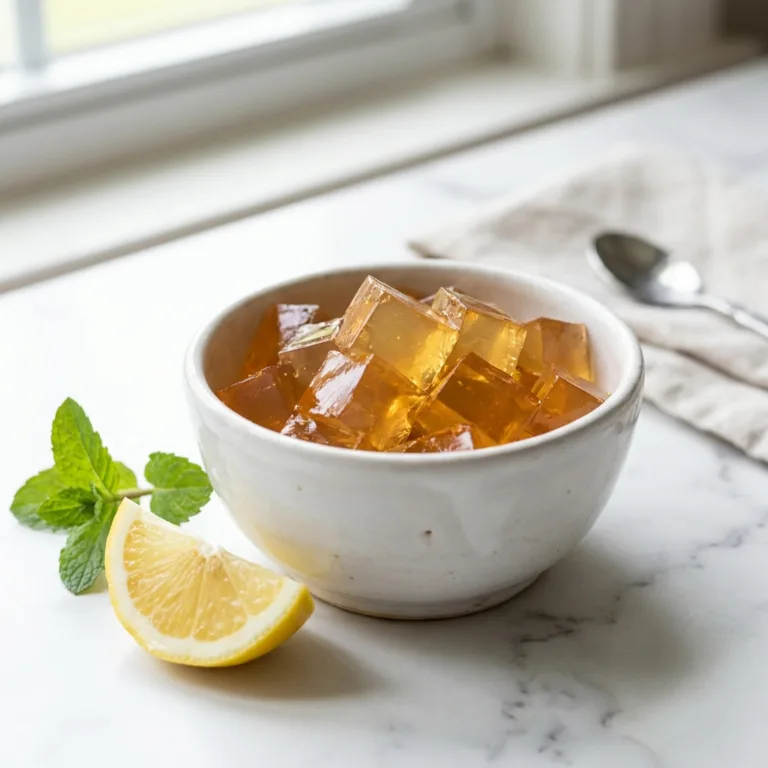
Pour the gelatin mixture into a lightly greased glass dish or silicone mold and let it cool at room temperature for 10 minutes before transferring to the refrigerator. Chill for at least 2–4 hours until fully set. When you’re trying gelatin for the first time, start with one square rather than two or three. This gives your digestive system time to adjust to the concentrated glycine, which in high doses can cause a mild laxative effect in sensitive individuals. My secret trick is to eat one square alongside a small meal rather than on a completely empty stomach for the first week — this makes the whole experience much gentler.
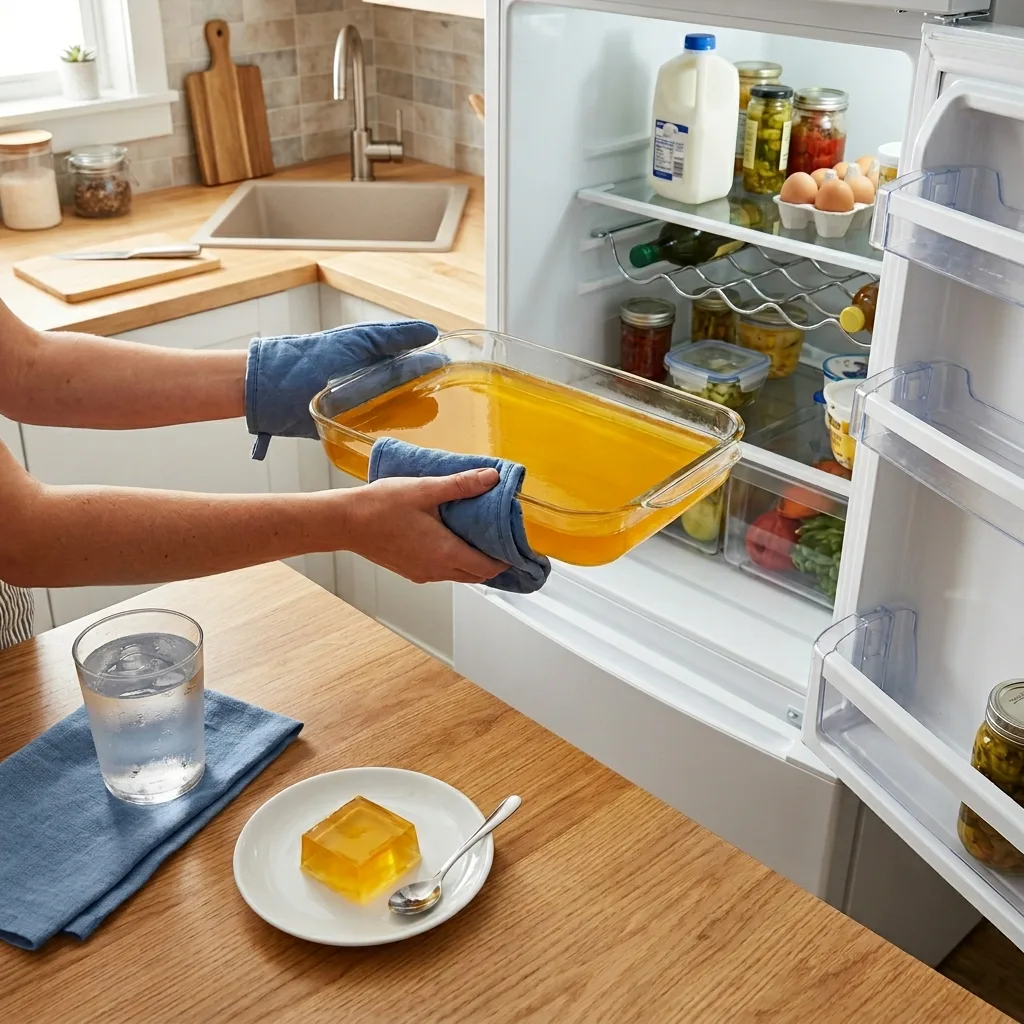
How to Store and Serve This Recipe Safely
Serving suggestions:
- Start with 1 square per day for the first week to assess your individual tolerance before increasing to 2.
- Eat gelatin squares alongside a small amount of food initially — especially if you have a sensitive stomach — rather than on a fully empty stomach.
- Serve chilled; room-temperature gelatin softens quickly and may feel unpleasant in texture.
- Pair with fresh fruit or a light yogurt for a balanced, more complete snack.
Storage tips:
- Store covered in the refrigerator for up to 5 days in an airtight container.
- Never leave gelatin at room temperature for more than 2 hours — it will soften and eventually liquefy.
- Do not freeze: freezing permanently disrupts the protein structure, producing a watery, grainy texture after thawing.
- Label batches with the date so you’re always consuming within the safe storage window.
Expert Tips for Avoiding the Most Common Side Effects
These are the practical lessons I’ve collected through testing this recipe and researching the available nutrition literature:
- Start with a lower dose. Most reported gelatin side effects — bloating, mild digestive discomfort, a feeling of heaviness — occur when people jump straight to two or three servings a day. Start with one small square daily for the first 5–7 days and let your body adapt.
- Drink plenty of water alongside it. Gelatin is a concentrated protein that requires adequate hydration for proper digestion. Not drinking enough water while increasing protein intake is a classic trigger for constipation and digestive sluggishness. Aim for a full glass of water with each serving.
- Don’t rely on gelatin as your sole protein source. Because gelatin lacks tryptophan and has an incomplete essential amino acid profile, depending on it exclusively for protein over time can create nutritional gaps. Use it as a supplement to a varied, whole-food diet — not as a replacement for other protein sources.
- People on blood-thinning medications should check with their doctor. Glycine, found in high concentrations in gelatin, has shown mild anticoagulant properties in some research contexts. While the amounts in a typical serving are unlikely to cause issues, anyone taking blood-thinning medication should have a conversation with their healthcare provider before adding daily gelatin to their routine.
- Avoid gelatin if you have a sensitivity to animal-derived proteins. Unflavored gelatin is derived from bovine (cattle) or other animal sources — it is not vegan or vegetarian. Individuals with sensitivities to these protein sources may experience an immune or digestive reaction.
- Use pure, clean juice — not juice cocktail. Juice cocktails loaded with added sugars can cause blood sugar spikes that may trigger cravings and undercut the satiety benefits you’re looking for. Always read the label and choose 100% juice.
Recipe Variations That May Be Easier on Sensitive Stomachs
If you’ve experienced any mild gelatin side effects with the standard recipe, these variations are worth trying:
- Diluted Fruit Version: Use 1 cup of juice and 1 cup of water as your liquid base rather than 2 full cups of juice. This reduces the overall sugar content and creates a lighter, lower-intensity snack that tends to be gentler on sensitive digestive systems.
- Herbal Tea Base: Replace the juice entirely with 2 cups of cooled chamomile or ginger tea. Both herbs have natural digestive-soothing properties that can actually complement gelatin and reduce any mild GI discomfort.
- Smaller Portion Molds: Instead of cutting large squares, use an ice cube tray or small silicone mold to make bite-sized portions. Smaller servings make it easier to control your intake precisely and build up gradually.
- Warm Gelatin Drink: Rather than setting the mixture to a solid, consume it warm as a drinking broth-style beverage. Some people find liquid gelatin easier to digest than the set, solid version — especially first thing in the morning.
- Bone Broth Base: Use a high-quality, low-sodium bone broth as your liquid for a savory, gut-nourishing variation that provides additional collagen-building amino acids alongside the gelatin.
| Group / Situation | Potential Side Effect | Risk Level | Recommended Action |
|---|---|---|---|
| Healthy adults (general) | Mild bloating if starting too fast | Low | Start with 1 serving/day, increase gradually |
| Sensitive digestive systems | Mild GI discomfort, heaviness | Low–Moderate | Try herbal tea base, eat with food, drink water |
| People on blood thinners | Possible mild anticoagulant interaction | Moderate | Consult your doctor before starting |
| Kidney disease patients | Excess protein load on kidneys | Moderate–High | Do not add without medical supervision |
| Animal protein sensitivity | Immune or digestive reaction | Moderate | Avoid gelatin; consider plant-based agar alternatives |
| Pregnant or breastfeeding | Uncertain — insufficient research | Moderate | Consult your healthcare provider first |
FAQs
Also Try
If you found this side effects guide useful, these related wellness recipes from the blog will round out your understanding:
- Gelatin vs Collagen for Weight Loss — Which One Actually Wins?
- Gelatin Side Effects You Should Know Before Trying Dr Gupta’s Recipe
Conclusion
Understanding gelatin side effects before diving into the Dr Gupta gelatin recipe isn’t about being fearful — it’s about being informed. For most healthy home cooks, this recipe is genuinely safe, satisfying, and worth incorporating into a weekly wellness routine. The key is to start slowly, stay well hydrated, use high-quality ingredients, and pay attention to how your body responds in the first week.
If you’ve read this far and you’re ready to give it a real try, head straight to our full Dr Gupta Gelatin Recipe for Weight Loss guide — it has everything you need to make your first batch with confidence. Drop a comment there and tell me how it went. I genuinely love hearing from home cooks who take the leap!
Sources
- Gelatin Safety and Nutritional Profile — USDA FoodData Central
- Glycine and Anticoagulant Effects — Journal of Thrombosis Research
- Gelatin Allergy and Vaccine Hypersensitivity — Annals of Allergy, Asthma & Immunology
- Protein Intake and Kidney Disease — National Kidney Foundation
- Glycine and Gut Lining Integrity — Frontiers in Immunology
- Protein and Satiety — Harvard T.H. Chan School of Public Health
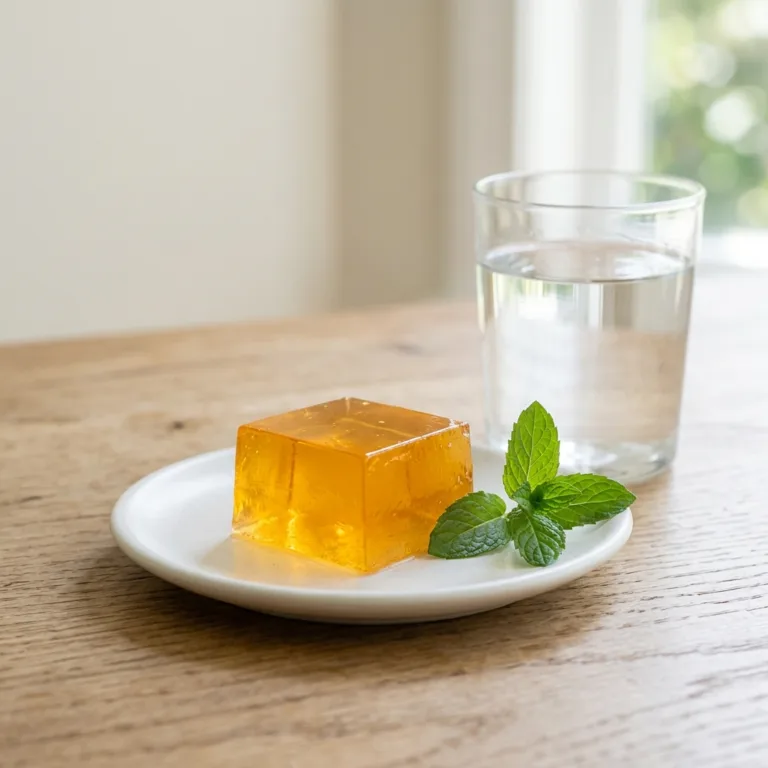
Gelatin Side Effects You Should Know Before Trying Dr Gupta’s Recipe
A carefully prepared version of the Dr Gupta gelatin recipe designed to minimize gelatin side effects. Made with plain unflavored gelatin, 100% fruit juice, and a touch of honey, this simple snack is high in protein and low in calories — with preparation tips to keep it gentle on the digestive system.
Ingredients
- 1 packet (7g) plain unflavored gelatin powder (Knox or equivalent)
- 2 cups 100% fruit juice (tart cherry, orange, pomegranate, or grape)
- ½ cup cold filtered water (for blooming)
- 1 teaspoon raw honey or pure maple syrup (optional)
- Optional: fresh mint, lemon juice, fresh fruit pieces
Instructions
- Sprinkle gelatin powder over cold water in a bowl or saucepan. Do not stir. Let bloom undisturbed for a full 5 minutes until thickened and spongy.
- Heat fruit juice in a saucepan over medium-low heat until steaming but not boiling (140–160°F). Add bloomed gelatin and whisk for 90 seconds until completely dissolved with no visible granules. Stir in honey if using and remove from heat.
- Pour into a lightly greased glass baking dish or silicone mold. Cool at room temperature for 10 minutes, then refrigerate for at least 2–4 hours. Start with one small square per day; eat alongside a little food for the first week to minimize digestive side effects.
Notes
To minimize gelatin side effects: always bloom fully, never skip water intake alongside each serving, and start with one square per day for the first week. People with kidney disease, those taking blood-thinning medications, and pregnant individuals should consult a healthcare provider before starting. Do not freeze.